Impact of Turkish-PKK Peace Process on Iraqi Yezidis
Impact of Turkish-PKK Peace Process on Iraqi Yezidis
Executive Summary:
- The Sinjar Resistance Unit (YBŞ)—based in Sinjar, Iraq—has so far refused to disarm despite the ongoing peace process between Türkiye and the Kurdistan Workers’ Party (PKK), asserting that the initiative excludes Yezidis.
- The rival Kurdistan Democratic Party (KDP) hopes the peace process will help implement the 2020 Sinjar agreement to remove PKK-linked groups. This remains difficult, however, due to strong local sympathy for the YBŞ.
- If the peace process succeeds, the YBŞ’s future will depend more on its relationship with Baghdad and resolving chronic local issues than on developments in Türkiye.
Attention has increasingly centered on the future of the Kurdistan Workers’ Party (PKK) and its affiliates in Iran and Syria amid the ongoing PKK–Türkiye peace process that began in October 2024. On February 25, 2025, PKK leader Abdullah Öcalan notably called on “all groups” to lay down arms, which many took as a sign of imminent peace (BIA net, February 27, 2025; see Terrorism Monitor, January 29). A few affiliates in Iran, Syria, and Iraq, however, have so far rebuffed his call. For example, the Iranian Kurdish Kurdistan Free Life Party (PJAK) and the Syrian Democratic Forces (SDF) claim they will not disarm. The future of the Yezidi-majority region of Sinjar, Iraq, and the armed Sinjar Resistance Units (YBŞ), however, is often overlooked, despite the YBŞ taking a similar position against disarmament (Al Hurra, June 11, 2025).
Key Players in Sinjar’s Security
YBŞ
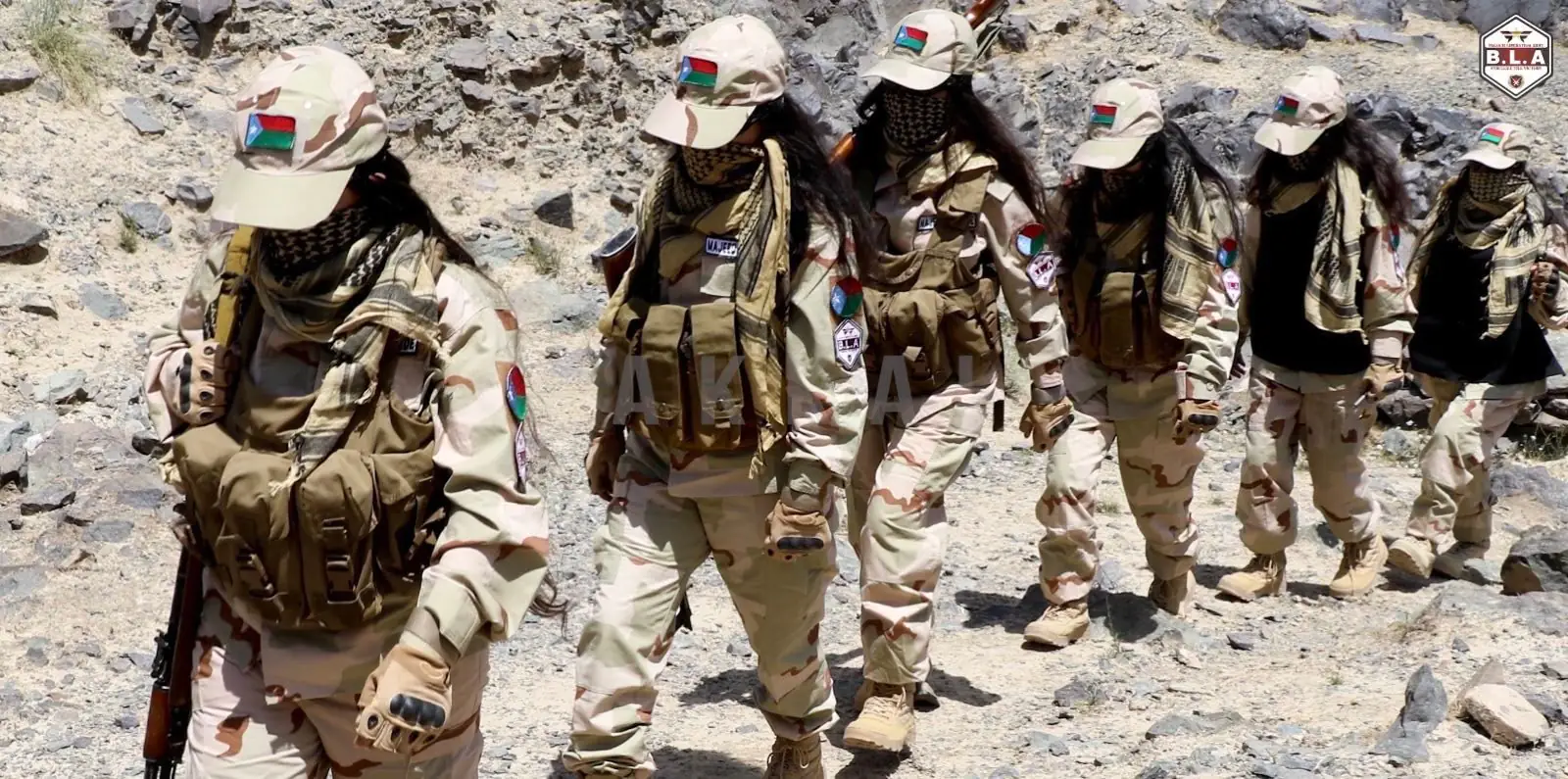
The YBŞ was established in 2014 with the support of the PKK and the Syrian Kurdish People’s Protection Units (YPG), which opened a corridor to Sinjar from Syria in 2014to help thousands of Yezidis escape the Islamic State (IS) (PAX, June 1, 2016; Aymenn Jawad Al-Tamimi, January 20, 2021). In August 2017, YBŞ also established the autonomous administration of Shingal (the Kurdish name for Sinjar), similar to the SDF-backed autonomous administration in northern Syria (ANF, August 22, 2017). Similar to the YPG, the YBŞ also cultivated a female unit, the Shingal Women’s Units (YJŞ) (ANF, August 2, 2023). On August 28, 2025, Öcalan sent a message to the Yezidi Women’s Renaissance Conference from his prison in Imrali Island, in which he emphasized that the peace process would end the genocide against the Yezidis. He also asserted that Yezidis should be able to form their own political system (ANF, August 28, 2025).
KDP
Since the entry of the PKK in Sinjar—a disputed territory between Baghdad and the Kurdistan Regional Government (KRG) in Iraq—the rival Kurdistan Democratic Party (KDP) has opposed the PKK’s presence. During the fight against IS, there were also tensions between the two Kurdish groups. After clashes with the Iraqi army and Iran-backed armed groups in October 2017, which took place one month after the Kurdish independence referendum, the KDP-linked Peshmerga forces almost completely left Sinjar. The only exceptions were some local Yezidi Peshmerga forces affiliated with the Shesho family, which protect a holy Yezidi religious temple (Guardian, October 17, 2017).
Turkish Army
The Turkish army has also carried out several strikes since 2017 in Sinjar against the YBŞ—which it considers an offshoot of the PKK—and has killed dozens of its members, including commanders (Rudaw, May 12, 2025). In April 2017, Turkish strikes mistakenly killed five KDP Peshmerga in Sinjar (Rudaw, April 25, 2017). Since July 2024, however, no further Turkish strikes have been reported in Sinjar (Kurdistan 24, July 8, 2024).
In January 2021, nonetheless, Turkish President Recep Tayyip Erdoğan warned the army could carry out a joint operation with Iraq against the PKK in Sinjar (Daily Sabah, Jan 22, 2021). Türkiye also voiced concerns in April 2025 over the presence of the PKK in Sinjar and urged Iraq to fight the organization there (Anadolu, April 8, 2025). Since then, however, Turkish officials have made no statements on Sinjar, with most of their statements focused on the SDF and its deal with Damascus (Al Monitor, July 22, 2025; Euro News, August 13, 2025).
The Turkish Foreign Minister Hakan Fidan began discussing a new limited operation in Sinjar after the SDF and Damascus signed a deal on January 29, following heavy fighting in which the SDF lost territory (Kurdistan 24, February 1; Sharq al-Awsat, February 11). On February 20, the Autonomous Administration in Sinjar called on Baghdad to take a stance against Turkish threats, claiming they had also delivered their message directly to the Iraqi Prime Minister (ANF, February 20). Iraqi Yezidi MP Murad Ismail, meanwhile, has also called for the integration of the YBŞ into the Iraqi army or Iraqi police and underlined that Sinjar is exclusively an Iraqi issue (X/@murad_ismael, February 11, 20).
The Sinjar Agreement
In October 2020, Baghdad and Erbil signed the Sinjar Agreement, which aimed to remove the PKK-linked groups from the district (Crisis Group, May 31, 2022). On August 25, 2025, KRG President Nechirvan Barzani of the KDP called for further progress in implementing the agreement (Kurdistan Region Presidency, August 25, 2025). The situation was also complicated by the fact that the YBŞ considers itself an Iraqi force and has been part of the Popular Mobilization Forces (PMF) since 2020, receiving salaries from the PMF (Kirkuk Now, April 11, 2023). If the KDP hopes the peace process will make it easier to implement the agreement, it still may be difficult to implement since YBŞ/PKK fighters still enjoy sympathy in Sinjar for their role in defending Yezidis from IS in 2014 (The New Region, July 15, 2025). The PKK itself claims it left Sinjar in 2018 (The New Arab, March 26, 2018). Mahama Khalil, a Yezidi member of the KDP faction in the Iraqi Parliament, has suggested that Baghdad should normalize the situation in Sinjar and offer jobs and an amnesty to “Iraqi PKK” members (Arabi21, March 4, 2025).
In February 2025, the Autonomous Administration in Sinjar organized a celebration in response to Öcalan’s call (ANF, February 27, 2025). Half a year later, on August 15, 2025, the administration praised PKK fighters for saving Yezidis from genocide and celebrated the PKK’s historical first attack on the Turkish army on August 15, 1984 (ANF, August 15, 2025). On September 30, 2025, Öcalan also wrote a letter to the Yezidi community from prison, underscoring that he would protect their existence and rights and ensure that new genocides would not happen again (KJK, September 30, 2025).
The YBŞ commander, Arif Şengali, has also denied that its forces are affiliated with the PKK, and although he welcomed the peace initiative launched by Öcalan, he indicated that “this initiative does not include the Yezidis” (Al Hurra, June 11, 2025). The commander added that Sinjar’s future depends not only on developments within Türkiye but also on addressing chronic local issues: justice for Yezidi victims, the return of displaced persons, and the empowerment of the local administration. On August 14, the YBŞ also promised to “continue their struggle” (ANF, August 14, 2025).
Conclusion
According to Cîhan Celo, the co-chair of the Shengal Democratic Autonomous Assembly, “resolving the Kurdish issue in Northern Kurdistan (Southeast Türkiye) also affects Sinjar, because after IS plots and collapse, the Yezidi people were saved from destruction thanks to Leader’s [Öcalan’s] ideas and the PKK fighters.” [1] She acknowledged, however, that the problems for Yezidis remain unresolved, “as we live in Sinjar and see that plans for fully liberating the Yezidi community have not yet been completed, and the Turkish state still exerts pressure.”
It is therefore still too early to assess the effects of the Turkish-PKK peace process on Sinjar. It is clear, however, that the process has led to greater stability in Sinjar, as Turkish airstrikes have now stopped for some time. If the peace process succeeds in Türkiye, the future of the YBŞ will then depend more on its relationship with Baghdad than on the developments in Syria and Türkiye.
Notes:
[1] Author’s interview with Cîhan Celo, the co-chair of the Shengal Democratic Autonomous Assembly, August 27.