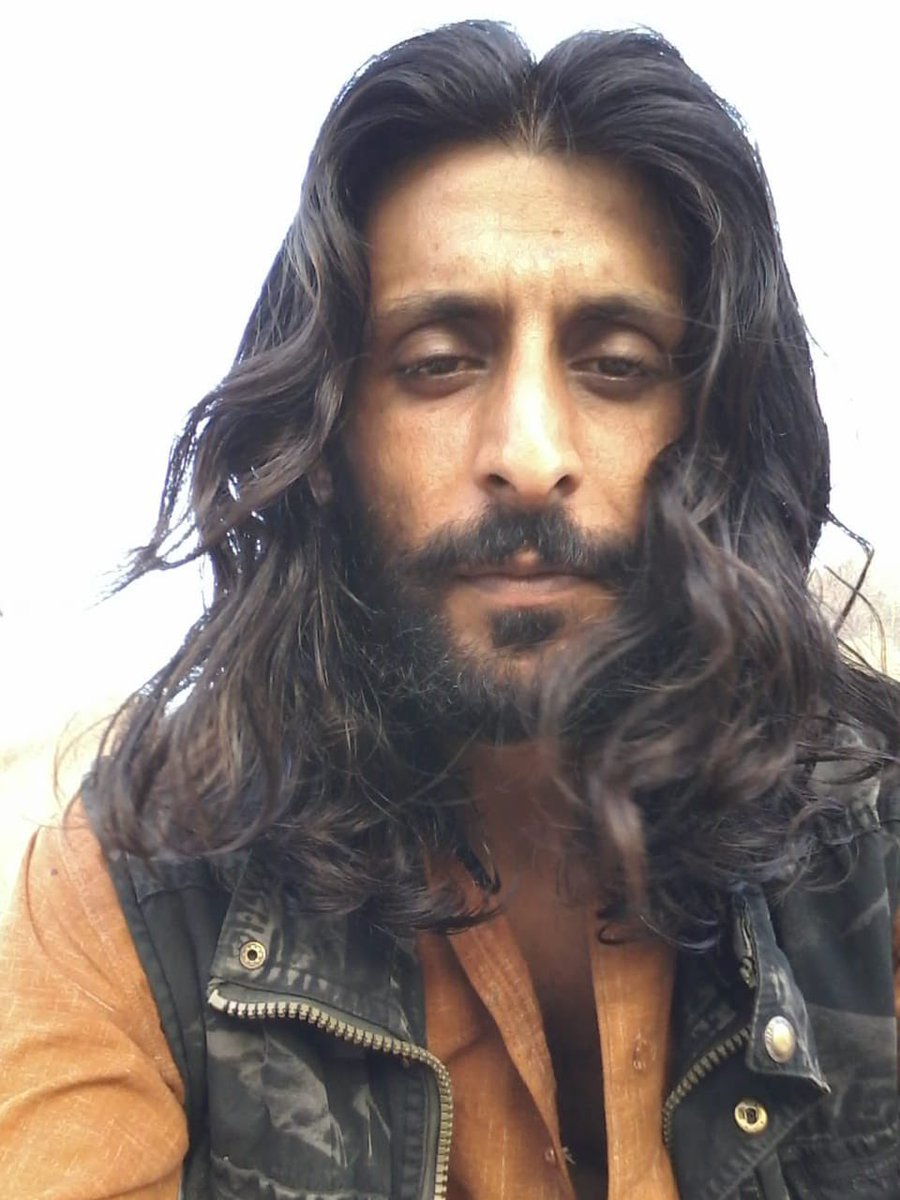
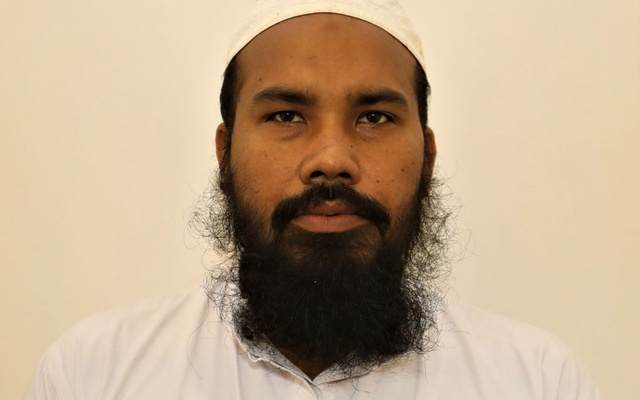
Faisal Hossain: Bangladeshi TTP Fighter Killed in Pakistan
Faisal Hossain: Bangladeshi TTP Fighter Killed in Pakistan
Executive Summary:
- The death of 21-year-old Bangladeshi national Faisal Hossain in a September operation in Khyber Pakhtunkhwa underscores the growing participation of Bangladeshis in Tehrik-e-Taliban Pakistan (TTP) networks.
- Hossain’s recruitment, disguised as overseas employment, reflects an emerging transnational pipeline linking Bangladeshi jihadists to militant groups in Afghanistan and Pakistan through deceptive labor routes and religious cover.
- His case highlights the TTP’s widening reach and the risk that trained fighters could return to Bangladesh with combat experience and extremist networks, posing long-term domestic security threats
On the night of September 26, Pakistani security forces launched a two-day intelligence-led operation in the Darshakhel area of Karak District (Urdu: ضلع کرک), Khyber Pakhtunkhwa (Urdu: خیبر پختونخوا) Province. Seventeen militants of the Tehrik-e-Taliban Pakistan (Urdu: تحریک طالبان پاکستان, TTP) were killed, and several others wounded. Among the dead was a 21-year-old Bangladeshi national, Faisal Hossain (Bangla: ফয়সাল হোসেন), also known by the alias Saad al-Muhajir (Arabic: سعد المهاجر, “Saad the Immigrant”) (Samaa TV, September 28). His identity was confirmed through the recovery of his Bangladeshi ID card along with personal belongings recovered from his body (The Dissent, September 28). Another Bangladeshi fighter reportedly confirmed his death on social media, and the TTP released a short video eulogizing him as a “martyr” (Jagonews24.com, September 28). A Bangla-translated version of the video was later shared on Bangladeshi jihadist social media sites.
Hossain’s death marks the latest in a growing number of Bangladeshi nationals fighting with the TTP and underscores a concerning trend: the emergence of a transnational South Asian recruitment network that draws vulnerable young men from Bangladesh into the orbit of the TTP and other militant groups in Afghanistan and Pakistan.
Background and Radicalization
Faisal Hossain was already religious in his youth and raised under economic hardship. Hossain’s family was originally from Madaripur (Bangla: মাদারীপুর), a district in central Bangladesh, but he lived in the Jagannathpur (Bangla: জগন্নাথপুর) area of Dhaka with his family in a working-class neighborhood (Dhaka Mail, September 29). Hossain dropped out of school after 10th grade and earned a living selling religious items, including prayer beads, skullcaps, and natural perfumes, outside a mosque in Jagannathpur and at various religious gatherings and street markets across the country.
After being radicalized, Faisal Hossain’s handlers devised a cover for him to flee the country. According to family accounts, Hossain openly expressed frustration over his limited economic prospects. In March 2024, he told his family he had secured a job at a hijama (Arabic: حجامة, medicinal cupping therapy) center in Dubai and left Bangladesh (bdnews24.com, September 29). He maintained regular contact for several months and reassured relatives that he was doing well in the UAE (RTV Online, September 29).
This narrative proved to be a cover, as he emerged in a region dominated by the TTP. Around Eid al-Adha in mid-2024, a domestic intelligence officer informed the family that Hossain was not in Dubai but instead travelled to the Afghanistan–Pakistan border region (bdnews24.com, September 29). Family members claimed they tried to persuade him to return but failed (RTV Online, September 29). Hossain’s deception—claiming to seek work in order to leave his country—is a known tactic employed by extremist recruiters and their recruits (BBC News Bangla, September 30). Bangladeshi law enforcement had previously identified similar patterns of young men sent from Dhaka to international transit hubs like Saudi Arabia and the UAE before being funneled into militant networks operating in Afghanistan and Pakistan.
A Growing List of Recruits
Hossain’s death is not an isolated case. At least four Bangladeshis have been killed fighting for the TTP over the past year, including Ahmed Zubair (Bangla: আহমেদ জুবায়ের), who reportedly died in an airstrike in North Waziristan in April (The Dissent, September 28). Other cases involve militants who travelled to Afghanistan via the Tablighi Jamaat (Urdu: تبلیغی جماعت), a Deobandi Islamic revivalist movement, before joining the TTP.
This trend points to the operational success of a cross-border recruitment pipeline that exploits both local grievances and global migration routes. Evidence suggests the TTP recruitment network is active both inside Bangladesh and among the Bangladeshi diaspora abroad. In November 2023 Italian authorities arrested a Bangladeshi citizen, Faysal Rahman (Bangla: ফয়সাল রহমান), in Genoa on suspicion of being a TTP member (Genova Today, November 3, 2023). He had been under investigation since 2021 for jihadist online activity which included disseminating extremist content, glorifying al-Qaeda, and expressing interest in conducting suicide attacks. [1]
Bangladeshi radicals are showing increasing integration with jihadist networks throughout South Asia. Back home, Bangladeshi police also arrested 33-year-old Md. Foysal (Bangla: মোঃ ফয়সাল) in July in the Savar (Bangla: সাভার) area of Dhaka (The Business Standard, July 16). He confessed to being inspired by TTP ideology and traveling to Afghanistan via Pakistan in October 2024, alongside Ahmed Zubair (Bangla: আহমেদ জুবায়ের), alias Yuvraj, a 23-year-old student who was later killed in Pakistan. Law enforcement officials believe a network allegedly led by a Bangladeshi engineer, Imran Haider (Bangla: ইমরান হায়দার), was involved in radicalizing and organizing recruits under the guise of religious education or foreign employment (BBC News Bangla, September 30). Authorities also arrested Shamin Mahfuz (Bangla: শামিন মাহফুজ), the founder of the banned domestic militant group Jama’atul Ansar Fil Hindal Sharqiya (Arabic: جماعة الأنصار في الهند الشرقية, JAFHS), in July for links to TTP (Militant Leadership Monitor, March 6; The Daily Star, July 15).
Conclusion
The TTP, once seen as a localized insurgent group within Pakistan, has broadened its operational scope in recent years. Since the Afghan Taliban’s return to power in 2021, the TTP has become more structured and increasingly capable of mounting serious attacks against Pakistani security forces. Islamabad accuses the Taliban government in Kabul of providing a haven to TTP fighters—an allegation the Taliban denies.
The TTP’s ability to attract foreign fighters like Hossain demonstrates its evolving strategy. It now leverages regional jihadist networks, including historical ties with al-Qaeda, and shared ideological and strategic aims with groups such as JAFHS, Jamaat-ul-Mujahideen Bangladesh (Arabic: جماعة المجاهدين بنغلاديش, JMB), and Harkat ul-Jihad al-Islami Bangladesh (Arabic: حركة الجهاد الإسلام بنغلاديش, HuJI–B), which all advocate for the establishment of sharia-based governance and have shown willingness to collaborate and share resources.
The most pressing concern for Bangladeshi security services is the potential return home of TTP-trained fighters. These individuals, who possess combat experience, ideological conviction, and access to jihadist networks, could rejoin or reinvigorate dormant jihadist cells in Bangladesh, posing a serious long-term threat to national security.
[1] Rahman was being investigated since late 2021 for activities in jihadist networks. On social media, he described himself as a “warrior soldier of God” and “lover of al-Qaeda,” and sought to purchase a TTP flag. He disseminated violent content, including videos of stonings, beheadings, whippings of women, men being pushed from rooftops, and calls for violence against the LGBTQ community and children. He also engaged in self-training, acquiring instructions on firearms and military combat, and expressed his willingness to fight and achieve “martyrdom” through suicide attacks.