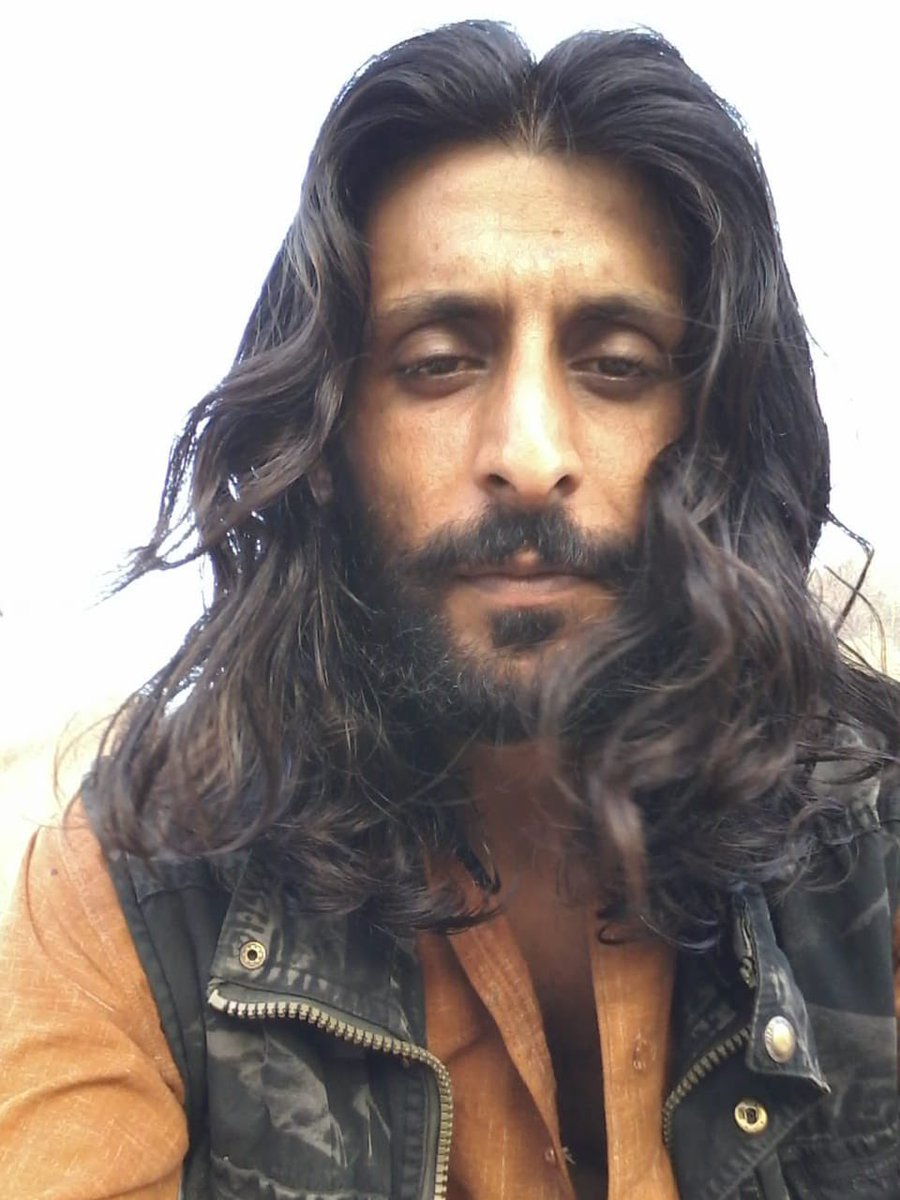
Mir Bangulzai: Commander ‘Returned From the Dead’ to Boost Baloch Insurgency in Pakistan
Mir Bangulzai: Commander ‘Returned From the Dead’ to Boost Baloch Insurgency in Pakistan
Executive Summary:
- Mir Abdul Nabi Bangulzai is a well-known and well-liked Baloch guerrilla commander who gained renown for having been mistakenly declared dead in 2016 following a raid by the Pakistani military. Since then, Bangulzai has become a key figure in reconciling disparate Baloch militant groups in their struggle against the Pakistani state, particularly the Baloch Liberation Army (BLA) and the United Baloch Army (UBA).
Mir Abdul Nabi Bangulzai is a well-known Baloch guerrilla commander. His political career started in the 1970s with the Awami faction of the Baloch Student Organization (BSO), a leading Baloch student group. Explaining his roots in Baloch ethnic politics, Bangulzai stated that he had received a BSO pamphlet when he was in ninth grade. After graduating from college in his native Mastung District, he was nominated as the General Secretary of the BSO’s operations in Mastung (YouTube/Balochistan Affairs, August 29, 2020). As a student political leader, Bangulzai later became the BSO chairman. However, like many of his fellow students, Bangulzai preferred armed struggle over politics to address Balochistan’s grievances (The Balochistan Post, June 9, 2018).
In February 1973, Bangulzai and other Baloch political activists participated in Saffar Khan Baloch’s guerilla war against the Pakistani government after the then-Civil Chief Martial Law Administrator Zulfiqar Ali Bhutto dismissed the region’s first-ever elected government (The Khorasan Diary, April 4, 2023). Before dismissal, Balochistan’s government had been formed by the left-leaning National Awami Party (NAP). During the insurgency against Bhutto, Bangulzai’s sole aim was the restoration of the NAP to the provincial government, following the directives of prominent NAP leader (and the ousted governor) Mir Ghous Baksh Bezenjo. Notably, Bangulzai did not advocate for Balochistan’s separation from Pakistan (Balochistan Affairs, August 29, 2020).
As the insurgency progressed, Bangulzai eventually went into self-exile in Afghanistan as political unrest under Bhutto’s regime rose. Bangulzai remained there until the military coup led by General Zia-ul-Haq in 1977, which resulted in Bhutto’s trial and execution in 1979. Bangulzai returned to Pakistan after General Zia announced a general amnesty for all political activists, particularly leaders and members of the NAP, many of whom had been imprisoned by Bhutto or forced into exile (Voice of America Urdu, February 27, 2023).
Arrest and Release of Bangulzai
In September 2000, Bangulzai was apprehended in Mastung for the killing of a Balochistan High Court Judge, Nawaz Marri (Dawn, November 21. 2008). Bangulzai spent eight years in custody and was released from prison when then-President Asif Ali Zardari announced a reconciliation process in Balochistan (Dawn, October 27, 2008). However, after the acquittal, Bangulzai told the media that “until and unless the issue of Balochistan is resolved, the Baloch people will continue to suffer from extra-judicial arrests.” Furthermore, he noted that while his release had been secured, hundreds of Baloch youths and political workers were either still in jail or missing. To the latter point, he declared that his nephew “has been missing for the last seven months” (Dawn, November 21, 2008).
After his release from prison, Bangulzai rejoined the Baloch insurgency. He later emerged as a significant figure in the ongoing fifth wave of unrest in Balochistan and joined the Baloch Liberation Army (BLA) separatist group.
Bangulzai and Baloch Separatist Groups
Bangulzai’s return in 2008 seems to have reinvigorated the separatist movement and brought renewed determination to the struggle. In 2012, the BLA underwent an internal split, which led to the formation of the United Baloch Army (UBA). This occurred when Harbiyar Marri, the BLA head, and Mehran Marri, his younger brother, parted ways after developing differences over who should lead and how funds were to be allocated. At that time, Mir Bangulzai leaned toward the UBA over the BLA (The Balochistan Post, June 9, 2018).
At the time of the split, Nawab Khair Baksh Marri entrusted Bangulzai with leading the negotiations between the BLA and the UBA (Humgaam News, October 27, 2014). Nawab Khair Baksh Marri became an influential ideologue in the Baloch insurgency and was the father of Harbiyar and Mehran Marri. Bangulzai was unable to secure a successful agreement between the two groups. This event only solidified Bangulzai’s belief, however, that unity among the various Baloch armed groups is essential for gaining international support for their separatist cause (The Balochistan Post, September 19, 2023). On the other hand, Bangulzai’s endorsement of the BLA’s tactics, particularly the use of women as suicide bombers (in attacks against Pakistani security forces and Chinese interests) would likely hinder any such acceptance on the international stage (The Balochistan Post, June 28, 2023).
Claims of Bangulzai’s Death
In 2016, several of Pakistan’s top government officials, including the then-provincial home minister, Sarfaraz Bugti, and the former spokesperson of the Balochistan government, Anwaar Kakar, told the media that Bangulzai and 34 other militants were killed. This was said to have happened in the Johan Area of Kalat District in Balochistan Province during a three-day operation by Pakistani security forces (Daily Jang [Pakistan], April 10, 2016; Reuters, April 9, 2016). However, these claims were later debunked when Bangulzai himself refuted the reports of his death and asserted that the Pakistani security forces had actually killed innocent nomads (BBC Urdu, April 18, 2016). It is possible that the government deliberately spread misinformation about Bangulzai’s death to demoralize Baloch separatist groups.
In 2015, the UBA claimed responsibility for an attack near Mastung District, Balochistan Province, where at least 22 passengers were killed after being forcibly removed from a bus traveling from Karachi to Quetta (Geo News, May 30, 2015). Pakistani authorities subsequently charged UBA commanders, including Bangulzai, with orchestrating the attack (Express Tribune, June 2, 2015). This suggests that the government considers Bangulzai to be a key mastermind behind said insurgent activities.
Conclusion
Bangulzai has become a trusted and influential figure within Baloch armed groups due to his unwavering commitment to the separatist cause in Balochistan. His extensive experience in guerrilla warfare and leadership has strengthened the Baloch insurgency, especially during its current fifth wave. Bangulzai is highly respected among both the middle-class youth and tribal leaders involved in the Baloch struggle. His deep-rooted influence and status may enable him to bridge differences within the various Baloch armed factions. By leveraging his veteran status and respected authority, Bangulzai has the potential to foster unity among these groups and present a more cohesive and formidable front in their pursuit of separation. [1] In sum, the role played by Bangulzai is crucial, not only for his contributions to the insurgency, but also for his potential to unite the diverse Baloch separatist groups toward their common goal.
Notes:
[1] Personal interview, Zia Ur Rehman, a Karachi-based Journalist covering insurgencies in Pakistan, 2024.