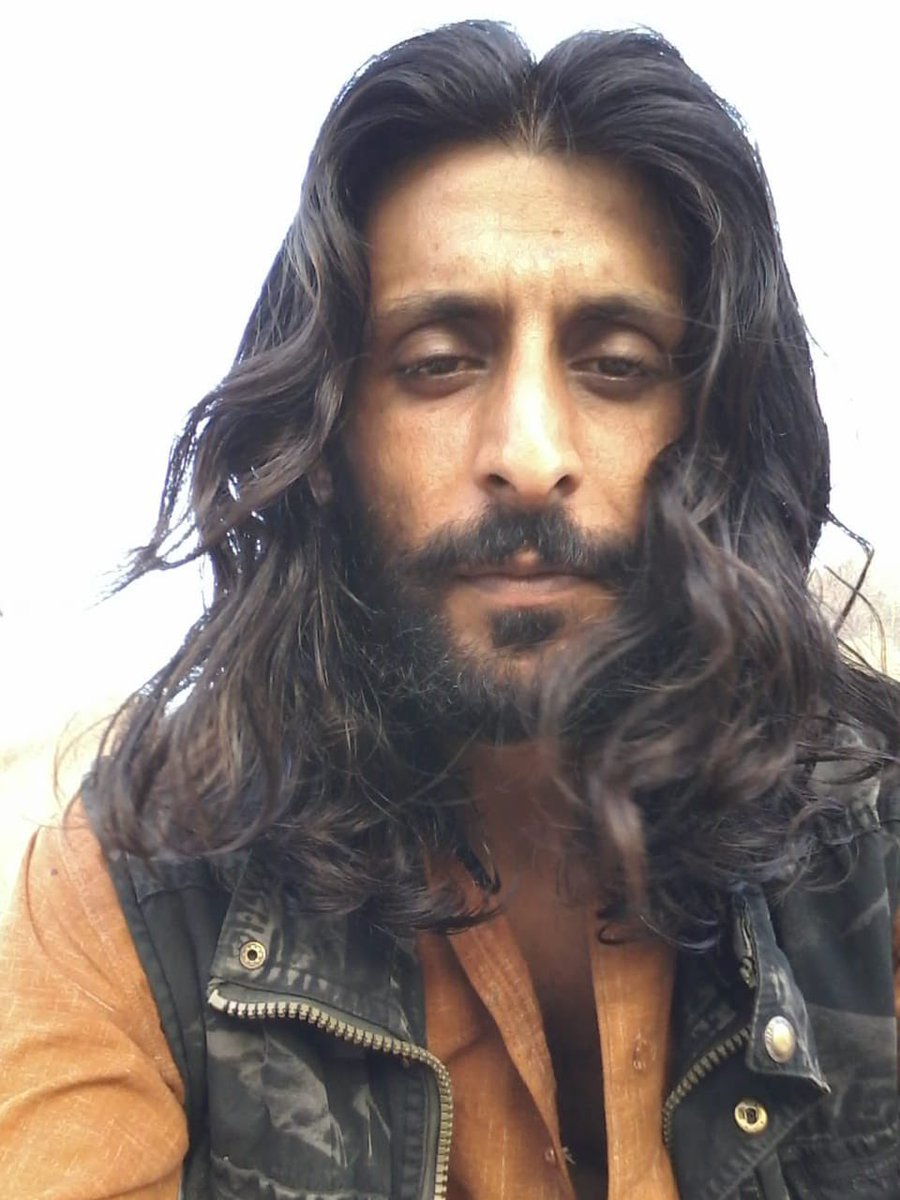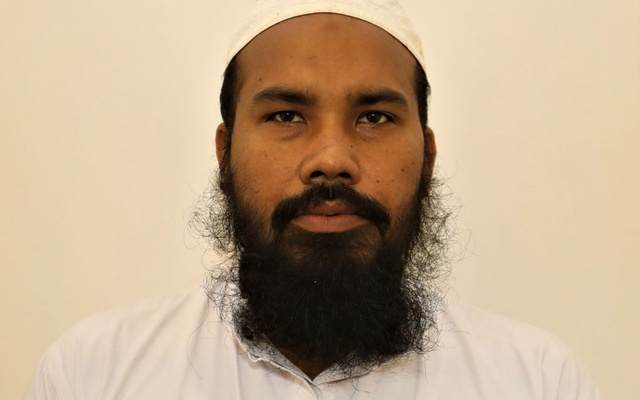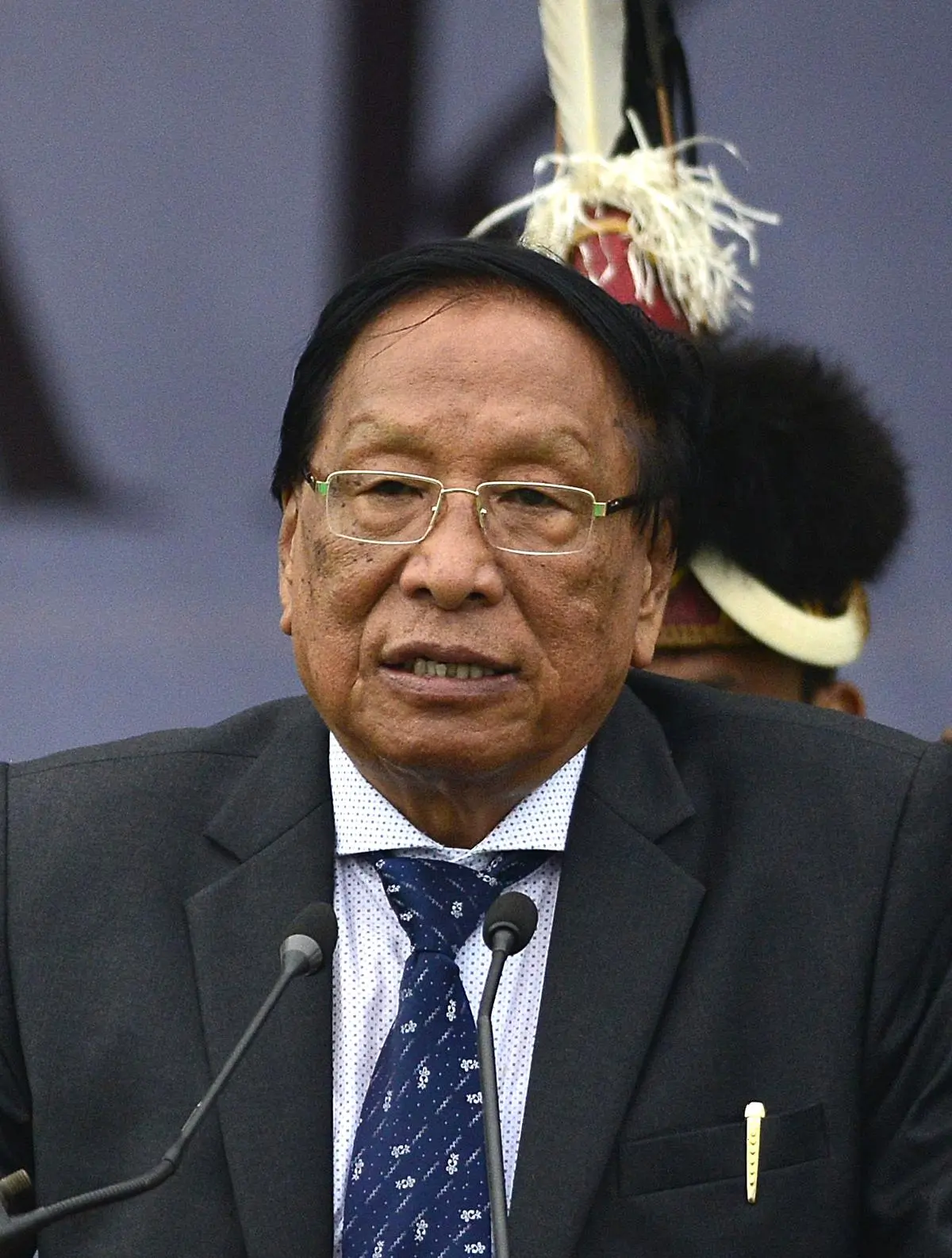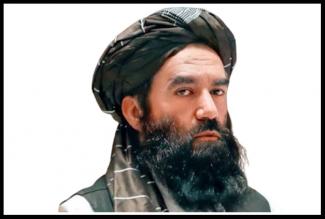
Mullah Noorullah Noori: Afghan Taliban Leader Questions Border with Pakistan
Mullah Noorullah Noori: Afghan Taliban Leader Questions Border with Pakistan
Executive Summary
- Mullah Noorullah Noori has recently questioned the validity of the Durand Line, the internationally recognized border between Pakistan and Afghanistan, raising tensions between Kabul and Islamabad.
- Noori is currently Minister for Borders and Tribal Affairs in the Taliban government in Afghanistan, and served under the past Taliban government in the past. He was captured by the United States in 2001 and spent 13 years in Guantanamo Bay.
- A respected Taliban official and confidante of former Taliban Supreme Leader Mullah Omar, Noori’s comments may influence Afghan policy toward hostilities with Pakistan.
Mullah Noorullah Noori has served as Minister for Borders and Tribal Affairs in the Taliban government in Afghanistan since September 7, 2021. However, he has been a part of the Taliban movement for decades (Afghan Ministry of Borders & Tribal Affairs, February 3). He was considered one of the closest people to the Taliban supreme leader, Mullah Omar, during the group’s first regime from 1996 to 2001 (Modern Diplomacy, July 8, 2023). Now, as a minister, Noori plays a role in resolving the more than 400 tribal feuds across Afghanistan (Pajhwok, September 20, 2023). Perhaps more importantly, he has been making official statements on issues with key geopolitical implications, especially with Pakistan.
Early Life and Career
Noori was born in 1967 in Shahjoy District of Zabul Province in southern Afghanistan and is the son of Maulavi Ghulam Omaruddin. He received his primary and secondary education in different madrassas in Afghanistan and can speak Arabic and Afghan Dari (Afghan Ministry of Borders & Tribal Affairs, February 3). At a young age, he joined the Taliban in their drive to capture north in the late 1980s (Afghan Bios, July 21, 2023). He then commenced his political career within the framework of an Islamist political party.
Following the departure of Soviet forces in 1989, Noori served as governor of Balkh Province during the Taliban’s first administration from 1996 to 2001 and then was governor of Laghman and Baghlan provinces in northern Afghanistan (Outlook Afghanistan, January 5, 2012). Following the US invasion of Afghanistan in 2001, when Taliban soldiers fell into the hands of the Northern Alliance, Noori negotiated a surrender deal with General Rasheed Dostum (Dawn, December 2, 2001). This deal was intended to allow other Taliban fighters to receive safe passage to leave northern Afghanistan in return for laying down their arms. However, Taliban prisoners rioted while being held in Qala-i-Jangi, a fortress located near Mazar-i-Sharif in northern Afghanistan, leading to violent reprisals by Northern Alliance fighters with the help of US forces. At least 450 Taliban prisoners were killed in the battle (Radio Free Europe, November 29, 2001).
Noori was arrested in December 2001 and handed over to US forces. He was then detained in Guantanamo Bay, where he spent 13 years (Afghan Ministry of Borders & Tribal Affairs, February 3). He was then among the five Taliban leaders, or “Taliban Five,” who were released in 2014 by the United States from Guantanamo in a swap deal for US soldier Bowe Bergdahl (Al Jazeera, June 1, 2014). Noori relocated to the Taliban’s “political office” in Doha in 2014 (Modern Diplomacy, July 8, 2023). In 2018, Noori was designated as a member of the political office of the Islamic Emirate of Afghanistan and became a member of its leadership council (Afghan Ministry of Borders & Tribal Affairs, February 3). In this role, Noori participated in the Taliban’s peace talks with the United States in Qatar, which resulted in the eponymous agreement in 2020 and the subsequent US withdrawal of its troops from Afghanistan in 2021 (Tolo News, November 12, 2019).
Noori’s Geopolitics
On January 27, Noori visited the Torkham border crossing, which connects Afghanistan’s northeastern Nangarhar Province to Pakistan’s northwestern Khyber Pakhtunkhwa Province. He claimed that the border between Islamabad and Kabul is “still unclear” and affirmed that Afghanistan does “not have a formal border with Pakistan and there is no zero point as well. This is an imaginary line between us.” He further stated that “Afghanistan does not recognize the Durand Line on the grounds that it was created by a British colonial regime to divide ethnic Pashtuns” (Anadolu Agency, January 28). The Durand Line was established in 1893 in a treaty between Britain and Afghanistan and forms the basis for the modern internationally recognized border between Pakistan and Afghanistan.
Pakistan called Noori’s remarks regarding the Durand Line a subject of contention. In addition, Islamabad stressed the non-negotiability of the border. Foreign Office spokesperson Mumtaz Zahra Baloch, for example, asserted that the border has “never been on the agenda between Pakistan and Afghanistan and will never be” (Dawn, February 2).
Besides the border issue, in December 2023, Noori described Pakistan’s decision to deport Afghan refugees as “cruel.” Referring to Pakistan, he stated:
The neighboring country has made a very cruel and unkind decision which is in contrast with all international law and manners. One of the reasons it made such a decision is that they thought Afghanistan has a new administration with low capacity and that it may be unable to control it (Tolo News, December 14, 2023).
In 2023, Pakistan gave a November 1 deadline for all unregistered Afghan refugees to leave the country either voluntarily or by force. Islamabad’s planned deportation of more than a million Afghan refugees is aimed at pressuring the Taliban government to stop providing safe harbor to the Tehreek-e-Taliban Pakistan (TTP), also known as the Pakistani Taliban. Pakistan also alleges that the TTP has been using Afghan nationals in terrorist attacks in Pakistan (Al Jazeera, October 6). In 2022, when Pakistan launched an airstrike in Afghanistan’s Khost Province to target the alleged hideouts of TTP, Noori visited the province to meet the injured people and families of the victims. During this visit, he refuted Pakistan’s claim about TTP hideouts on Afghan soil (Bakhtar News, April 20, 2022).
Conclusion
Noori has witnessed both the rise and fall and rise again of the Taliban in Afghanistan over the past two decades. As a senior Taliban leader, he is considered competent and qualified to issue policy statements on regional and global issues. Having spent his whole life serving the ideological cause of the Taliban movement, Noori’s turning point was his release from Guantanamo. On that occasion, Mullah Omar exclaimed, “I extend my heartfelt congratulations to the entire Afghan Muslim nation, all the mujahideen and to the families and relatives of the prisoners for this big victory” (Al Jazeera, June 1, 2014). After a life dedicated to fighting the United States, Noori has become a thorn in the side of Pakistan, too.