Octovianus Mote: Path to Potential Peace in West Papua
Octovianus Mote: Path to Potential Peace in West Papua
Executive Summary:
- Octovianus Mote transitioned from journalism to leading a non-violent diplomatic movement for West Papuan independence, using a shared Melanesian identity to elevate this cause at international forums such as the United Nations.
- Mote successfully gained political recognition from Melanesian nations after fleeing to the United States. His current objectives include restoring West Papua to the United Nations decolonization list.
- Mote has partnered with militant groups to increase regional membership despite his non-violent platform, and his tendency to downplay their violent insurgent attacks may significantly challenge his future diplomatic efforts and peace dialogues.
At the 24th session of the UN Permanent Forum on Indigenous Issues (UNPFII) in April 2025, Octovanius Mote highlighted the ongoing issues of racism, genocide, ethnocide, and ecocide in West Papua province, Indonesia. Mote participated in the forum as a member of the Papua Customary Council, which represents the 253 indigenous communities in West Papua province (kabargunung, April 27, 2025). During a side event at UNPFII, Mote forwarded a set of recommendations for a proposed peace dialogue between Indonesia and the indigenous people of West Papua, facilitated by an international body such as the United Nations, Pacific Island Forum (PIF), or Melanesian Spearhead Group (MSG) (teaonews, May 12, 2025). Mote’s proposed recommendations were in accordance with the requests made by the 99 other West Papuan leaders, known as “Team 100,” to the then-President of the Republic of Indonesia, B.J. Habibie, on February 26, 1999.
Habibie—who had respected West Papua's aspirations for independence—responded to Mote’s demand by proposing to continue the dialogue with an alternative plan. Mote rejected the alternative plan, however, which was designed to transform the current single province into multiple provinces, each with a special autonomous policy (ecommons. cornell, October 1, 2001). After more than two and a half decades, Mote has once again expressed his dedication to the peace dialogue in a democratic setting. He demanded that the current Indonesian President, Prabowo Subianto, fulfill his presidential campaign promise regarding a human rights dialogue on West Papua. Subianto had promised to set up a framework discussion based on Melanesian identity and Pacific terms and conditions, departing from the Team 100 framework discussion that focused on West Papua's culture and heritage (U.S. Congress, September 22, 2010; ulmwp.org, June 26, 2015; December 1, 2016; Youtube/@Prabowo, December 12, 2023). Mote has furthermore successfully prepared the next generation to carry on his efforts at the United Nations, obtaining a one-third vote from UN members to restore West Papua to the decolonization committee's List C24 (teaonews, May 12, 2025).
Mote’s Background
Mote was born in the Paniai region of West Papua in the early 1960s. He has actively participated in the pro-independence movement since childhood, beginning with his role as an informant for Indonesian military patrols in the first grade in 1968 (tirto.id, August 23, 2019). By 1988, he had begun his journalism career and was appointed as the head of the Kompas Bureau in Jayapura, West Papua, Indonesia's largest daily newspaper (U.S. House of Representatives, April 28, 2009; tirto.id, August 23, 2019). He subsequently documented and witnessed deadly attacks on pro-West Papua independence protesters, such as the shooting in Biak, West Papua, in July 1998, which led to a demand for national dialogue and the formation of Team 100 (scoop, July 15, 2013; indoprogress, September 8, 2016; freewestpapua, June 25, 2018; pmn.co.nz, September 15, 2024).
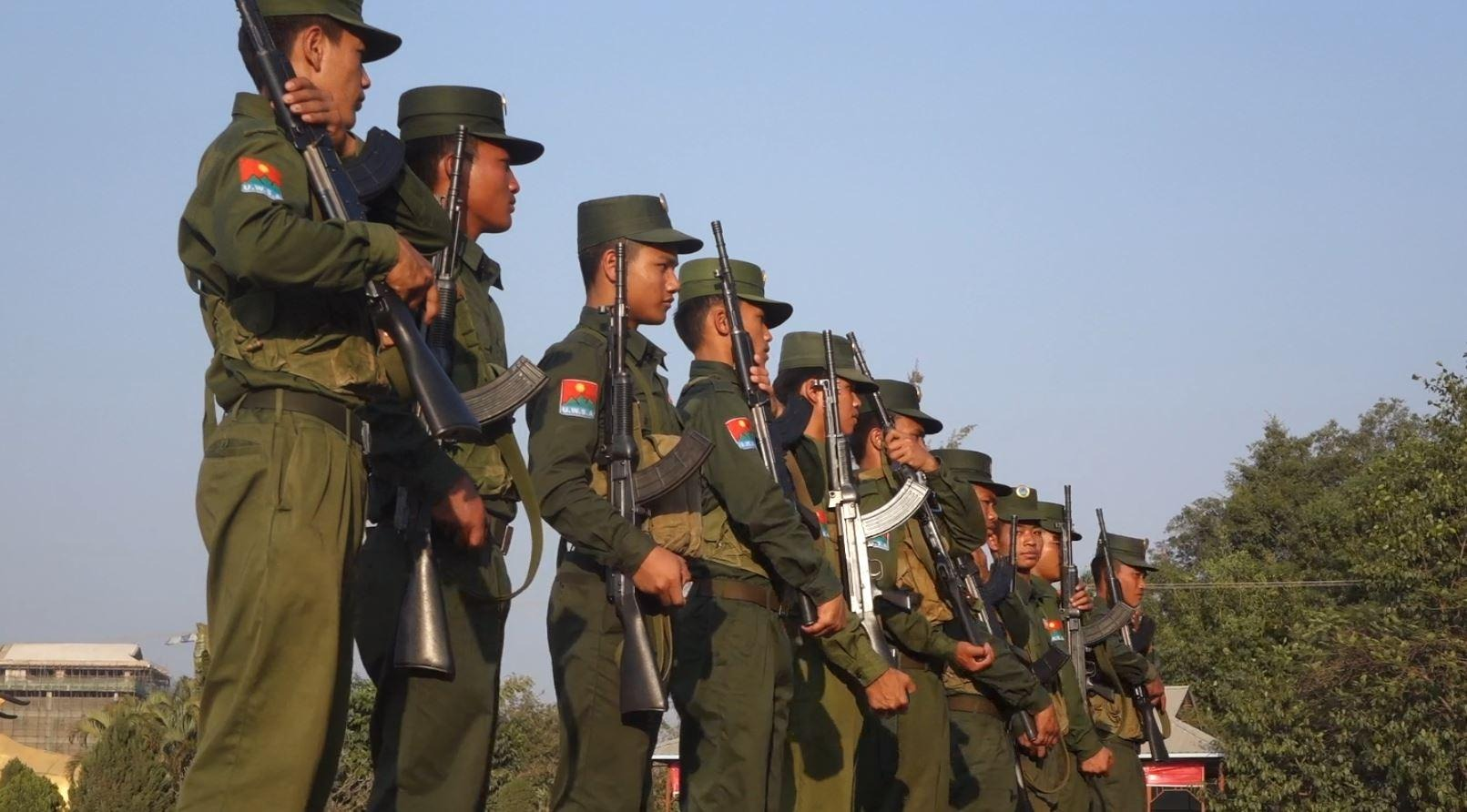
Mote eventually transformed Team 100 into a moderate, non-violent West Papuan independence movement that prioritized peace dialogue within a democratic framework (indoprogress, September 8, 2016). The movement aimed to achieve self-determination and to advocate for the UN-backed West Papua Independent referendum, while also highlighting human rights violations and condemning Indonesia’s 2001 special autonomy policy (U.S. Congress, September 22, 2010). Mote’s movement, therefore, took a different approach from the insurgency tactics used by the hardline Free Papua Organization (OPM) and its militant wing, the National Liberation Army of West Papua (TPNPB-OPM). In 2014, however, Mote established a partnership with OPM and TPNPB-OPM, leading to the formation of the United West Papua Movement—United Liberation Movement of West Papua (ULMWP) (tirto.id, August 23, 2019). Mote deemed this action to be a necessary step for achieving political recognition for the West Papua independence movement in regional forums such as the MSG Leaders Meeting and PIF Leaders Summit (ulmwp, December 1, 2016; ulmwp, July 17, 2016; davidrobie.nz, July 1, 2023). Consequently, Mote agreed with TPNPB-OPM’s condition to continue guerrilla warfare against the Indonesian state and security forces (kompas, May 31, 2016; YouTube/@Sambo, October 20, 2025).
Moving into Exile
As a journalist, Mote helped Team 100 disseminate information about the outcome of the dialogue with Habibie to West Papuans (Mote and Rutherford, 2001). [1] The demonstrations for West Papua independence and tensions with Indonesian security forces only intensified, however, and many in West Papua declined to participate in the 1999 Indonesian election and rejected Habibie’s special autonomy policy. As a consequence, Mote faced allegations of influencing the pro-West Papuan independence movement. Mote subsequently received death threats and was banned from travel outside of Indonesia (Yale Daily News, May 7, 2005). Following consultations with the U.S. Embassy regarding his visa validation—and a discrepancy in the spelling of his last name on the travel ban—he finally fled to the United States in July 1999 (Yale Daily News, May 7, 2005).
Mote promptly sought political asylum, affiliated with the East Timor and Indonesia Action Network (ETAN), and founded the West Papua Action Team (WPAT) (ETAN, January 21, 2009; December 1, 2015). He then took up a genocide studies fellowship, during which he developed a database on the West Papua genocide (Yale Daily News, May 7, 2005). Later, he upgraded his advocacy to focus on environmental issues, such as ecocide, and warned that environmental destruction in West Papua would contribute to global warming and negatively impact small island states in the Pacific (pmcarchive, May 10, 2013; davidrobie.nz, September 13, 2024).
He further applied ETAN's strategies to educate U.S. policymakers about Indonesia as a highly militarized nation and West Papua as a victim of Indonesian colonization. (Sydney Peace Foundation, June 30, 2014; tirto.id, August 23, 2019). Mote also spoke at several US Congress Hearings, including:
- A 2009 session titled “Ecuador, Nigeria, West Papua: Indigenous Communities, Environmental Degradation, and International Human Rights Standards” (U.S. House of Representatives, April 28, 2009);
- A 2010 session titled “Crimes Against Humanity: When Will Indonesia's Military Be Held Accountable for Deliberate and Systematic Abuses in West Papua?” (U.S. Congress, September 22, 2010);
- A 2013 session titled "Human Rights in Indonesia" (U.S. House of Representatives, May 23, 2013).
Mote also presented a West Papua delegation at the conclusion of the 2010 hearing, featuring Forkorus Yaboisembut, the Chairman of the Papua Customary Council, who supported his testimony. One year later, when then-U.S. President Barack Obama arrived in Indonesia, Yaboisembut proclaimed the formation of the new West Papua State—the Federal Republic of West Papua (NFRPB). He also appointed himself as president and granted a diplomatic mandate to Mote and other West Papuan exiles to serve as diplomats-in-exile (Asia-Pacific Solidarity, October 21, 2011).
West Papuan “Diplomat” and Pan-Melanesian Identity
On October 19, 2011, Yaboisembut chaired the third West Papuan Congress, where he declared West Papua independent, announced the birth of a new country—NFRPB—and his presidency (Asia-Pacific Solidarity, October 21, 2011; jubi, July 17, 2013). As a consequence, the Indonesian government charged Yaboisembut with treason and sentenced him to three years in prison (kompas, October 22, 2011; Okezone, February 7, 2012; beritasatu, March 16, 2012). Yet, the treason allegation became a major victory for Yaboisembut and NFRPB in establishing a group of West Papuan diplomats in exile—including Mote in the United States—who used the attention to discuss the national referendum of the West Papuans in exile at the United Nations and regional forums such as PIF and MSG (Asia-Pacific Solidarity, October 21, 2011).
On October 27, 2011, Mote embarked on his first diplomatic mission in Sydney, Australia. There, he conducted a media briefing regarding the violent dispersal of the Third West Papua Congress by Indonesian security forces and urged Australians to speak out (scoop, October 27, 2011). The Third West Papuan Congress thus resulted in a significant accomplishment for Mote by granting him legitimacy as a West Papuan diplomat with a Melanesian identity. He was therefore able to broaden his political influence beyond the United States to Australia, New Zealand, and other Melanesian nations (indoprogress, September 8, 2016).
This facilitated a transition in their strategies from the Western world and the African continent towards Melanesia and Pacific nations, thereby framing West Papua as a regional issue (indoprogress, September 8, 2016; ulmwp, December 1, 2016). By elevating the West Papua national referendum into a regional issue, Mote and other NFRB diplomats—with the support of Vanuatu as a country member of MSG—aimed to achieve MSG membership (indoprogress, September 8, 2016; davidrobie, July 1, 2023)
Mote then began defining West Papuan identity as Melanesian (U.S. House of Representatives, May 23, 2013; tirto.id, August 23, 2019). He effectively persuaded the Melanesian leaders to address the West Papuan issue in the MSG vision for the next 25 years (2013–2038) at the MSG Special Summit in March 2012. As a result, in 2013, West Papua was included in the MSG 2038 Prosperity For All Plan—Melanesian Spearhead Group 25-year vision (indoprogress, September 8, 2016). Ultimately, on June 20, 2013, MSG leaders recognized West Papua’s right to self-determination and addressed MSG’s concerns about human rights violations and other forms of atrocities occurring there in their joint communiqué at the 19th MSG Leaders Meeting in New Caledonia (ulmwp.org, June 26, 2015).
A decade later, in September 2024, Mote participated in the 53rd PIF Leaders Summit in Tonga, where leaders have annually addressed human rights issues concerning West Papua since 2016 (ulmwp, December 1, 2016; davidrobie.nz, September 13, 2024). In this forum, Mote developed a strategy to sustain West Papuan issues as a high priority for the next five years and was determined to highlight the genocide issue, as addressed in the opening remarks of his 2010 U.S. Congressional hearing (U.S. Congress, September 22, 2010). In 2021, Mote pledged to recognize ecocide as a serious crime, and it paid off in September 2024, when Vanuatu, Fiji, and Samoa submitted a court proposal to the International Criminal Court (ICC) to recognize ecocide as a crime (davidrobie.nz, September 13, 2024).
In May 2025, at the UNPFII, Mote—representing the Papua Customary Council, along with a new generation of West Papua human rights activists—used the UN meeting to seek to secure one-third of the votes from UN member states in the future. Their objective was to restore West Papua to the UN's decolonization committee's list by invoking Article 10 of the UN Declaration of the Rights of Indigenous Peoples (UN Press, September 13, 2011; teaonews, May 12, 2025).
Conclusion
Mote’s advocacy has overlooked the brutal insurgent attacks that have taken place across the highlands and mountains of Papua, leading to the displacement of West Papuans and hindering infrastructure development in the province (westpapuaonline, July 30, 2025; suarapapua, December 26, 2025) The February murder of a pilot and co-pilot at Kiwirok airport in the high mountains of West Papua and the killing of two civilians, whom the insurgents misrepresented as Indonesian intelligence, is two such examples (X/@war_noir, February 14; YouTube/@Twopilots, February 16). He also has downplayed the lethal assaults on civilians, construction workers, educators, healthcare professionals, and the destruction of property such as healthcare facilities and schools (kompas, December 6, 2018; jubi, December 10, 2018; tirto.id, August 23, 2019). The overlooking of these brutal insurgent attacks was done to preserve his status as a non-militant and to advocate for a non-violent resistance movement while communicating with TPNPB-OPM through a back channel (YouTube/@Sambo, November 12, 2025).
Mote’s upcoming August-September 2026 PIF Leaders Summit in Palau may face significant challenges due to TPNPB-OPM's ongoing guerrilla warfare. ULMWP’s dualism—such as the demands from the hardline TPNPB-OPM for the dissolution of ULMWP—along with current Prabowo's insistence on including the insurgency in the peace dialogue, may also present issues (jambi.tribunnews; nadipapua, November 1, 2025). As a result, Indonesia, as a partner nation of PFI, may encourage the Pacific island nation leaders to address the negative impacts of the insurgent attacks on the development of the six provinces in West Papua (westpapuaonline, July 30, 2025).
Notes:
[1] Mote, Octovianus, and Danilyn Rutherford. "From Irian Java to Papua: The Limits of Primordialism in Indonesia's Troubled East." Indonesia 72 (2001): 115-140.