Hilal Ghazi: Jihadist Behind Pakistani Taliban’s Expansion into Punjab
Hilal Ghazi: Jihadist Behind Pakistani Taliban’s Expansion into Punjab
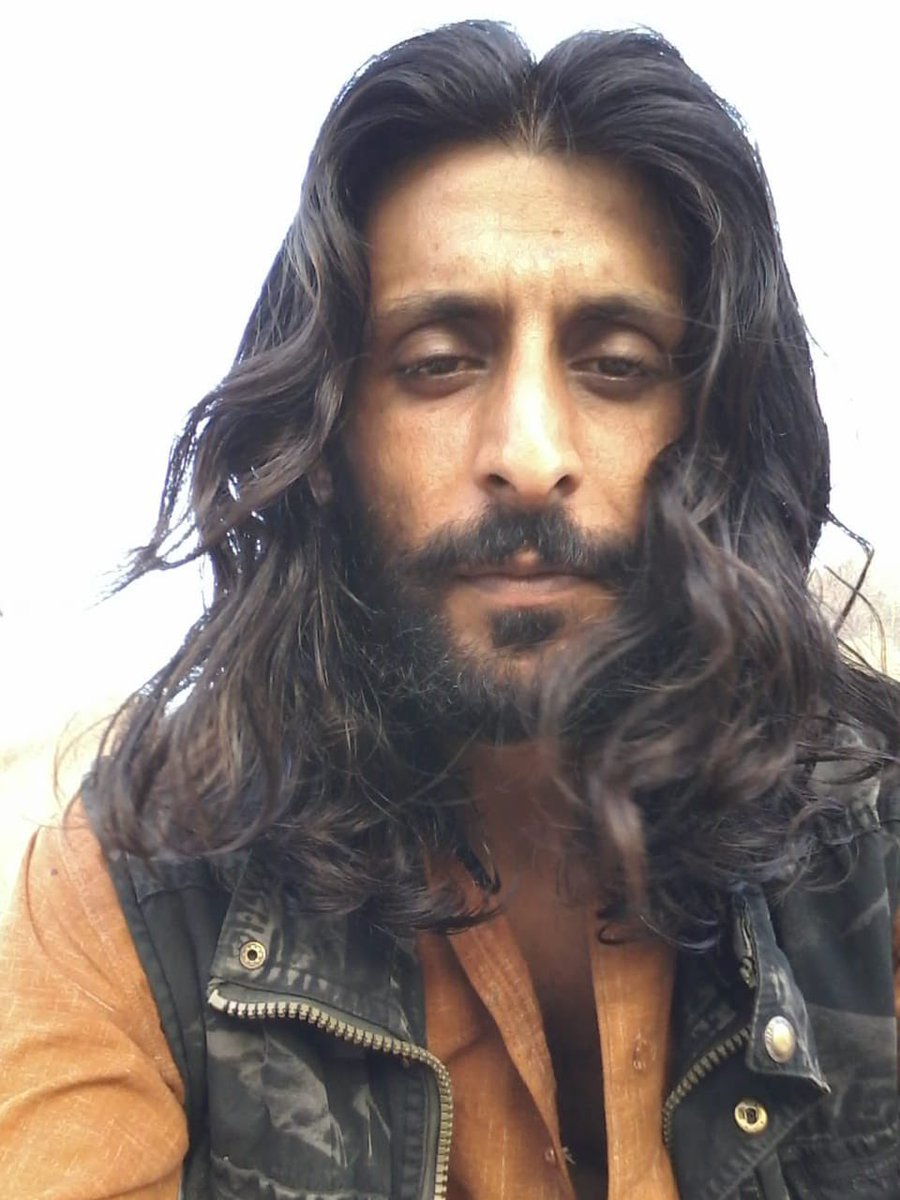
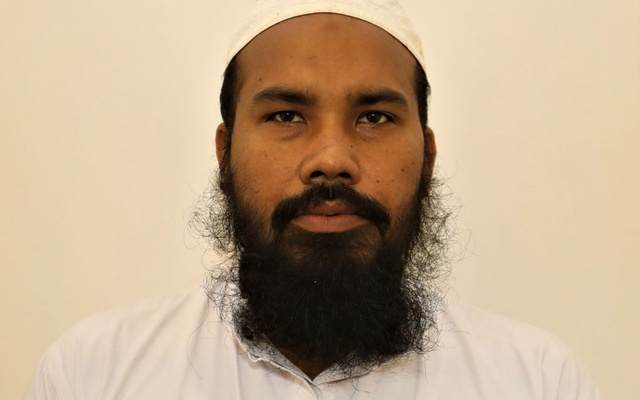
On June 15, the Tehreek-e-Taliban Pakistan (TTP), or “Pakistani Taliban,” announced the establishment of two new “shadow provinces” in Punjab, Pakistan’s most populated province: “North Punjab” and “South Punjab.” This brought the total number of the group’s parallel proto-administrative units in Pakistan to twelve (Twitter/TheKhorasanDiary, June 15). While TTP commander Muhammad Umar Muawiya was appointed as governor of South Punjab, veteran TTP member Hilal Ghazi became governor of North Punjab.
Ghazi is a paradigmatic example of a TTP fighter who ascended the ranks of the organization since its inception in 2007. He maintains deep connections to the watershed moment that turned many jihadist groups across Pakistan against the state: the siege of the Lal Masjid (Red Mosque) in Islamabad (see Terrorism Monitor, July 19, 2007).
Who is Hilal Ghazi?
Originally from Malakand, Khyber Pakhtunkhwa, Ghazi received basic education in his native area before joining the Lal Masjid in Islamabad in 2002. At Lal Masjid, he became close to two Islamist ideologues, who were brothers that ran the complex. The complex included a mosque and two attached seminaries, Jamia Syeda Hafsa and Jamia Faridiya, (for the male and female students, respectively).
Ghazi spent most of his time with Mawlana Abdul Rasheed, who was the younger brother and head of the male seminary, where Ghazi was enrolled. Ghazi also maintained relations with the elder brother, Mawlana Abdul Aziz. [1] Ghazi spent five years studying at the Lal Masjid, but he did not remain in Islamabad the whole time. He joined the jihadist movement in Afghanistan after the US-led invasion of the country in 2001, and frequently travelled to Afghanistan in support of the Afghan Taliban. At the same time, he continued training in the military domain, firstly in Mansehra district of Khyber Pakhtunkhwa and subsequently for some time in the Nakyal sector of Azad Jammu and Kashmir, where he prepared to fight in Kashmir. It is likely that in those years, Ghazi trained under Kashmir-focused militants inside Harkat-ul Jihad al-Islami (HuJI), which was a leading group that operated with several other splinter movements in spearheading jihad in Kashmir (Perspective on Terrorism, December 2017).
Jihad in Afghanistan
Once Ghazi joined the jihad in Afghanistan, he mostly took part in operations in the eastern province of Paktika, while also coming and going from Wana, South Waziristan District, where the TTP and members of al-Qaeda in Pakistan formerly took shelter. In Afghanistan, he also frequently sojourned in Tora Bora, Nangarhar Province, and in Kunar Province. In Pakistan, he traveled in Khyber Pakhtunkhwa, and specifically between Swat, Mohmand, Bajaur, North and South Waziristan, and Khyber.
During his time at the Lal Masjid, Ghazi studied to memorize the Quran under the tutelage of Abdul Aziz Ghazi. However, he also had the opportunity to meet several Arab jihadists—including several associated with al-Qaeda—who were taking refuge in the mosque compound in-between travels in 2001. Ghazi’s stay at Lal Masjid was interrupted, however, by “Operation Silence/Sunrise” in 2007, which was launched by Pakistan’s security forces against the Lal Masjid (Dawn, July 13, 2017). The siege led to the death of several affiliates of the mosque, including Abdul Rasheed. Although Ghazi was present during the siege, he survived. [2] The event was a watershed moment, and the TTP was born in the same year. Ghazi joined the movement and adopted the new name of “Ghazi” in addition to “Hilal,” in honor of his late jihadist mentor, Mawlana Abdul Rasheed, whose surname was “Ghazi”. Mawlana Abdul Rasheed’s brother, Abdul Aziz, was also arrested in the aftermath of the operation.
Militancy in the TTP
As soon as Ghazi joined the TTP, he set up a branch of the organization called the “Ghazi Force” in honor of Abdul Rasheed. He thus pledged allegiance to the TTP’s then-first emir, Baitullah Mehsud, with several other former students of the Lal Masjid. In the first stages of the organization’s development, the Ghazi Force operated under the command of Hilal Ghazi with the collaboration of Hakeemullah Mehsud. Mehsud was the head of the TTP’s chapter Orakzai District, though he would one day go on to be the TTP’s second emir.
The Ghazi Force quickly became infamous for its ferocity, with involvement in several attacks against security forces in Punjab as well as in Khyber Pakhtunkhwa. Several of these occurred in Rawalpindi, which enjoys special prominence as the twin-city of Pakistan’s capital, Islamabad. For example, the General Headquarters attack in 2009 was planned together by the Ghazi Force and the Amjad Farooqi faction of the TTP (Dawn, September 21, 2011). However, the Ghazi Force was also characterized by a staunch sectarian agenda, leading the group to carry out several attacks against Shias. In 2012, the group detonated an improvised explosive device (IED) during a procession for Muharram (the first month of the Islamic calendar, when warfare is forbidden) in Rawalpindi, killing several Shias (The Express Tribune, November 23, 2012). Several attacks against Shias also took place in other areas of Pakistan, including in Hangu and Kurram tribal districts. The anti-Shia agenda was typical of Abdul Rasheed and Abdul Aziz, who both derided Shias as an un-Islamic sect in their sermons.
Spiritual Succession
Ghazi rose to prominence within the ranks of the TTP thanks to his military activities and role as Abdul Rasheed’s spiritual successor. In a video published in 2016 by Umar Media (the TTP’s media branch), Ghazi is featured sitting next to then-TTP emir, Mawlana Fazlullah Khorasani, as well as TTP-veteran and top strategist, Adnan Rasheed, who had once been a member of the Pakistan Air Force. [3] In February 2022, the TTP issued another message detailing its organizational restructuring in the mold of the Afghan Taliban. As a result, Ghazi was appointed as administrative officer of the Nizami Commission of the North; in other words, his new post involved overseeing organizational units for the movement, which meant he assumed logistical and operational roles. [4] Ghazi became also part of the TTP negotiating team in Kabul, tasked with conducting talks with Pakistan’s government in the wake of the ceasefire concluded in mid-2022. Initially, the team was headed by Qazi Muhammad Amir Mehsud, who was a top TTP scholar, and was aided by several jihadists, including Maulana Faqir Muhammad, who was a veteran TTP leader and the group’s former deputy emir; Mufti Abu Hurairah, who was a member of the TTP Shura council and former Jamaat-ul-Ahrar member; Dr. Hamood Swati, who was head of the TTP’s chapters in Malakand Division and Swat District; and Ghazi himself.
The apex of Ghazi’s militant career was achieved with the inception of the so-called “Province of Punjab.” While on the TTP’s Umar Media podcast, Ghazi commented on his appointment as the head of North Punjab and stated that while TTP militants were already present and active in the area, the two new provinces were a further confirmation of the TTP being a movement not only confined to Khyber Pakhtunkhwa but also representative of other ethnicities in Pakistan. [5] His appointment was sanctioned by the Rahbari (Central) Shura because of his militant activities in Punjab and the many TTP members from Punjab who joined his ranks. [6]
Conclusion
Since the return of the Taliban’s Islamic Emirate in Afghanistan, the TTP has begun a process of implementing the Afghan Taliban’s model of insurgency, which encompasses both military and administrative tactics (Dawn, July 10). Since the start of 2023, the TTP has proven capable of staging major attacks outside of its usual areas of operations—including in Karachi—while at the same time it has set up new front groups such as Tehreek-e-Jihad Pakistan (TJP; see TM, August 21) for conducting complex and controversial operations. This is done to avoid potential political backlash from Pakistan toward their erstwhile Afghan Taliban allies, who are hosting the TTP’s leadership in the country (TheKhorasanDiary, April 29). The latest move by the TTP to expand its perceived influence to Punjab by setting up two provinces there is a sign of the TTP’s grip on the country, but it is indicative of more than just a new strategy for the group’s public image.
In the past, the TTP had been able to stage attacks inside Punjab thanks to collaboration with other militant factions, including al-Qaeda in the Indian Subcontinent (AQIS), which is affiliated with the Amjad Farooq group and Commander Muneeb group, both of which joined the TTP in 2020 (MilitantWire, May 10, 2022; see MLM, January 5, 2021; TM, August 13, 2021). Notably, all such groups as well as the Ghazi Force became experts at urban warfare and the making of explosives; as such, they now carry said expertise to operations in the new province. Thus, elevating Punjab to the position containing not one, but two TTP provinces might signal an intensification of attacks, as the group already possessed the capabilities to strike in the region.
Furthermore, granting the control of North Punjab—where major cities like Lahore are located—to a veteran militant like Ghazi is both a tactical and symbolic move. The TTP is reaffirming its links with the events at Lal Masjid and its commitment to support Mawlana Abdul Aziz. He remains one of the main jihadi ideologues in the region and Ghazi will follow in his footsteps.
Notes:
[1] Both brothers also had the surname Ghazi. Interviews conducted by the authors with relatives and friends of Hilal Ghazi, conducted remotely, August 20.
[2] Shariah ya Shahadat, Umar Media (May 2016).
[3] Idem.
[4] Statement, Umar Media (February 2022).
[5] Pasoon, episode 21, Umar Media (June 2023).
[6] Interviews conducted by the authors with a TTP commander close to Hilal Ghazi, conducted remotely, August 10.