“Inheriting Jihad”: A Portrait of Saudi Arabia’s Senior al-Qaeda Member Ahmed Abdullah Saleh al-Khazmari al-Zahrani
“Inheriting Jihad”: A Portrait of Saudi Arabia’s Senior al-Qaeda Member Ahmed Abdullah Saleh al-Khazmari al-Zahrani
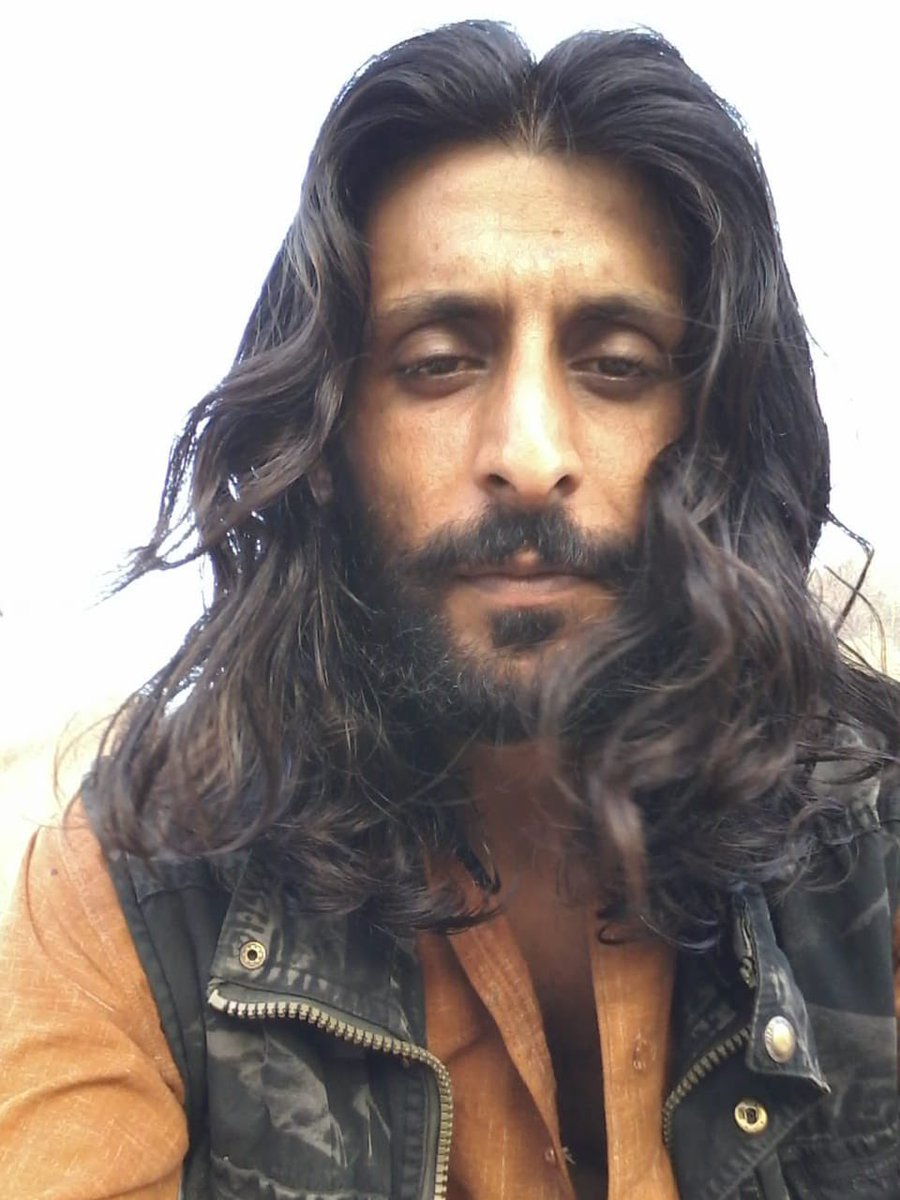
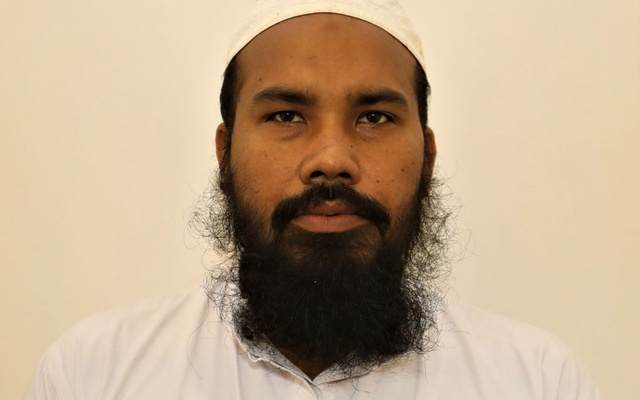
The Department of State designated Ahmed Abdullah Saleh al-Khazmari al-Zahrani (a.k.a. Abu Maryam al-Azdi) a “global terrorist” on January 24, describing him as a senior member of al-Qaeda. Al-Zahrani has been on a list of extremists wanted for extradition by the Saudi Interior Ministry since February 2009. [1] The list includes 85 names and was the third of its kind since the clashes began in 2003 between Saudi authorities and jihadist operatives.
Al-Zahrani was born in 1978 in Dmamam, the capital of the oil-rich Eastern Province of Saudi Arabia. According to Asharq al-Awsat, he is part of a new generation of Saudi jihadists whose ideology has been shaped since the 9/11 attack, which they generally perceived as teenagers. Al-Qaeda has explained the aftermath of the 9/11 attack as a “Crusader war” and a “division between them and us” (Asharq al-Awsat, February 6, 2009).
The average age of jihadists in Saudi list of 85 men wanted for extremist activities abroad is 28 years at the time the list was published. [2] Many of the Saudi jihadists on the list have migrated to Yemen to join al-Qaeda in the Arabian Peninsula, as a result of a merge between Saudi jihadists and their Yemeni counterparts in 2009.
Al-Zahrani was one a few Saudi jihadists who chose instead to migrate to the border region between Afghanistan and Pakistan. According to Saudi authorities, he flew to United Arab Emirates on July 7, 2006 and has made no return since then to Saudi Arabia. The Saudi authorities say that he travelled to Iran where he met an al-Qaeda facilitator called Iqbal who arrange his travel to Afghanistan to join al-Qaeda. Saudi authorities also claimed that al-Zahrani travelled to Pakistan (Saudi Daily Okaz, February 5, 2009).
Inheriting Jihad
Al-Zahrani has authored a number or publications that have been posted on jihadist web forums. In his articles, al-Zahrani reflects on being part of a new generation of jihadists and reproduces the idea of passing on jihadist ideology to the younger generation, an idea which was initially purported by one of the most prominent jihadi ideologues and strategists, Abu Mus’ab al-Suri.
Al-Zahrani quoted al-Suri saying:
“We -and I mean the experts [of jihad]- become isolated from arenas of action in our own countries where the womb of this Ummah still producing those who are willing to join jihad, and their conditions help them to move easier [than ours], but they lack of the accumulation of our experiences, as we lack the ability to move freely. The best thing we do to them; is to hand them over the flag, with a determination to remain steadfast…in addition we need to hand them our jihadi experiences, sciences and knowledge.” [3]
While al-Zahrani focuses on the inheriting the knowledge of jihadists to the newer generation in various methods, he thinks that the best method to convey this knowledge is throughout memories books.
Al-Zahrani seems to have a great interest in building what he called the religious and cultural personality of a jihadist. He wrote a booklet entitled Religious and Cultural Preparation for Mujahid, in which he listed the most important books and articles that each jihadi should read to educate himself. He explains his reason for listing these books and building the mujahideen’s personality by quoting al-Qaeda ideologue Abdullah al-Adam who said: “the difference between a mujahideen and a bandit is education.” [4]
In another booklet, al-Zahrani collected more than 250 titles of jihadists’ reference (books, essays, articles, etc.) on various issues such as bay’at (paying allegiances), monotheism, takfir (excommunication), democracy, how to deal with spies, apostasy and suicide attacks. [5]
Conclusions
As part of a new, post-9/11 generation of jihadists it seems that al-Zahrani has not yet acquired the status of a jihadist ideologue as demonstrated by his reproduction of old jihadists’ writings, however, al-Zahrani has created a sort of index for jihadist writings, which has made them easier to find. His effort to create manuals to better educate the new generation of jihadists with the ideologies of their predecessors may generate a group of more committed and ideologically-trained jihadists.
The idea of passing on jihad to the next generation plays a major role in the creation of continuity between generations of jihadists. The analysis of experiences in various places, presentation of jihadist ideology in a simple and attractive way and increase of the role of narratives, allows jihadists to reach and relate to a broader array of recruits and sympathizers.
Notes
1. See: https://www.saudiembassy.net/latest_news/news02030902.aspx.
2. Murad Batal al-Shishani, Al-Qaeda: Geopolitical, Strategic Outlook and Social Composition, ECSSR-Abu Shabi, 2012. (in Arabic)
3. See: https://archive.org/details/al-tawrith_aljihadi.