Losuba Wongo: The Newest Rebel Commander in South Sudan
Losuba Wongo: The Newest Rebel Commander in South Sudan
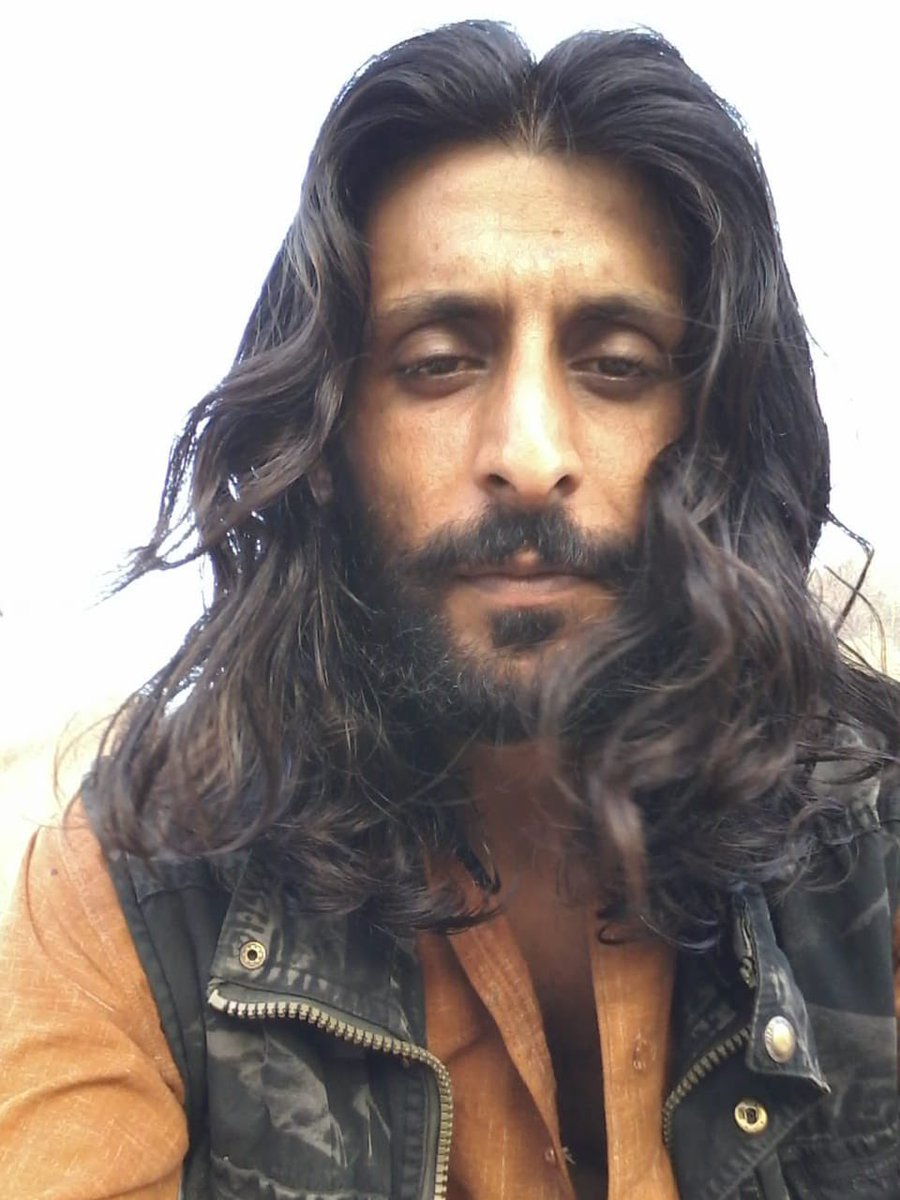
An attack on South Sudan’s military in a relatively peaceful part of the country in January of this year propelled a hitherto unknown army officer, Major Losuba Wongo, into the limelight in Africa’s newest state. Six soldiers were allegedly killed in the attack and several others wounded, according to a statement signed by Wongo after the assault on January 27 near the town of Maridi in Western Equatoria State. [1] Although local government authorities attributed the attack to bandits, they also acknowledged that Wongo had defected from the South Sudanese Army some time earlier with some troops (Sudan Tribune, January 29). Wongo said the attack, which he personally commanded, marked the official launch of a new rebellion called the Revolutionary Movement for National Salvation (REMNASA), which was formed by disgruntled army officers in order to dislodge the South Sudanese president, Salva Kiir, from power (VOA, January 28). REMNASA is merely the latest insurgency in Africa’s newest country to challenge President Kiir’s increasingly authoritarian rule, but Wongo’s grievances mirror those of the country at large, giving him and the movement additional legitimacy.
Background
Wongo, who is either in his late 30s or early 40s, hails from the Kakwa tribe, which is also found in neighboring Uganda and the Democratic Republic of Congo (DRC). [2] He was among a new generation of young and educated professionals that the South Sudanese Army recruited to help transform the country’s military into a modern, nimble, conventional and professional organization. [3] According to his LinkedIn profile, Wongo worked with nonprofit organizations prior to joining the army, which he did most likely after 2005 (LinkedIn). He holds a master’s degree from the University of Liverpool in the United Kingdom and a bachelor’s degree from the Uganda Martyrs University. At South Sudan’s Ministry of Defense, he was initially the director of research in the directorate of policy, planning and research. Here, he made quite an impression on Kuol Manyang Jouk, South Sudan’s defense minister, who described him as “well-mannered and highly disciplined.” This resulted in a transfer to Jouk’s office, where Wongo was appointed director of administration (Sudan Tribune, January 30).
Since its birth in 2011, after a referendum that separated it from Sudan, South Sudan has been plagued by a plethora of armed rebellions, fostered in part by exclusionist policies at the center. It is within this context that insurgent leaders like Wongo find expression. Wongo’s quarrel with the South Sudanese government centers on a list of familiar grievances: rampant corruption, poor infrastructure and lack of services provided by the government. Other rebel groups, including the ongoing 14-month-old insurgency led by former vice president Riek Machar, have also voiced these concerns. By focusing on these grievances, Wongo is appealing to popular sentiment in a country where nearly every development indicator is abysmal.
Wongo’s first statement to the media after the alleged attack is also a treatise on why he took up arms. He distanced REMNASA from the Machar-led rebels in the north and northeast of the country, stressing that the only commonality between the two groups is that they are fighting the same enemy (VOA, January 28). The Machar-led rebellion was born in the wake of a power struggle in the ruling political party pitting him against President Kiir (Security Sector Reform, December 18, 2013). Taking stock of the general political environment in South Sudan, Wongo denounced an ongoing regional peace initiative to bridge differences between the South Sudan government and the Machar-led rebels as being all about power-sharing among members of the same political party rather than addressing the fundamental fault lines in the country, such as poor governance, ethnic divides, dictatorship, nepotism and human rights abuses. Summing up REMNASA’s objectives, Wongo said the movement aims to create an equal, free, democratic and prosperous South Sudan. In an interview with the Voice of America’s “South Sudan in Focus” radio program, he suggested that this would be a “long struggle” (VOA, January 28).
REMNASA
The REMNASA rebellion is unique for a couple of reasons. First, unlike other insurgent groups that originated in the traditional rebel corridor in the Greater Upper Nile region in the north of the country, REMNASA was born in the Greater Equatoria region, a relatively peaceful area in the south of the country, from which no rebel group has emerged since South Sudan’s independence in 2011. [4] In contrast, the oil-rich Greater Upper Nile region, a vast swath of territory that borders Sudan in the north and Ethiopia in the east, has been wracked by violence since 2011. Also, proximity to Sudan, South Sudan’s archenemy to the north, has facilitated Khartoum’s arming of rebel groups opposed to Juba (New African [London], April 2). The availability of oil has made the Greater Upper Nile region highly contested among political actors. In that regard, the region has been restive, plagued by a persistent rebel insurgency, the wide availability of small arms and cattle rustling which has devastated its entirely pastoralist communities.
Secondly, that a rebel group has emerged in the Greater Equatoria region represents an escalation in the level of disillusionment with the government. Since the outbreak of war in December 2013, President Kiir has consolidated more powers in his hands. In March, parliament extended his term for three more years without an election (Reuters, March 24). A recently-passed contentious security bill gave the intelligence service powers to arrest and detain dissidents without trial (Radio Tamazuj, March 16). The media is heavily censored and political dissent is not tolerated; journalists are subjected to arbitrary arrest and detention, newspaper editions are seized from their printing presses and radio stations have been shut down without court orders (VOA, February 16). Nearly half a million South Sudanese are internally displaced and the country faces a looming famine (IPS, January 24). In addition, the government is unable to reign in high inflation. As a result, senior government and military officials have defected to join the Machar rebels. [5] This growing dissatisfaction with the government may result in more recruits joining REMNASA’s ranks as well.
Wongo defected with a relatively small force that by his own account is slightly more than 200 soldiers (VOA, January 28). REMNASA’s small size essentially means that the group’s military activities may be limited for the time being. So far, in the three months since it was born, REMNASA claims to have officially launched two attacks against government troops, both of which were ambushes. This means that REMNASA does not control any territory. The government may attempt to stamp out the rebellion, but the start of the rainy season in April may work in REMNASA’s favor because roads will become impassable, limiting the ability of the government to move armor and troops in order to respond to attacks.
Conclusion
Currently, Wongo’s theater of operation is in central Maridi County, far from any international borders. Although he has stated that his troops are on the move, he declined to mention the location where they may be proceeding. For logistical and strategic reasons, rebel groups in South Sudan prefer to locate near borders. Wongo himself is from Morobo County, which borders Uganda and the DRC, giving him deep knowledge of the area, including cross border contacts. The South Sudanese government previously tapped into this when DRC authorities asked for South Sudan’s help to diffuse an ethnic Kakwa rebellion in that country in 2012. Through Wongo’s help, the situation was resolved amicably (Sudan Tribune, January 30). It remains to be seen whether Wongo will again exploit this knowledge and move his troops southwest to a location he is familiar with to continue his fight against the South Sudanese government.
Brian Adeba is an associate with the Security Governance Group in Kitchener, Canada.
Notes
1. Press statement sent to author by REMNASA.
2. Author’s personal knowledge of the individual and region.
3. Phone interview with a source that previously worked with him.
4. There are three states in the Greater Upper Nile: Unity, Jongolei and Upper Nile. The same applies in Greater Equatoria, which is divided into Eastern Equatoria State, Central Equatoria State and Western Equatoria State.
5. These include General Dau Atorjong, former commander of the army’s sixth division in Northern Bahr El Ghazel State; Major General Martin Kenyi; Brigadier General Gabriel Gatwech Puoch Mar, chief administrator of the army’s fifth division in Western Bahr el Ghazal State; and Khamis Abdel-Latif Kachuol, director general of South Sudan Television (Sudan Tribune, August 3, 2014; GAPDAM, January 31; Nyamilepedia, April 10; Sudan Tribune, January 24).