Muslim Dost: The IS Khorasan Defector to the Taliban and Alleged Ex-Afghan Intelligence Stooge
Muslim Dost: The IS Khorasan Defector to the Taliban and Alleged Ex-Afghan Intelligence Stooge
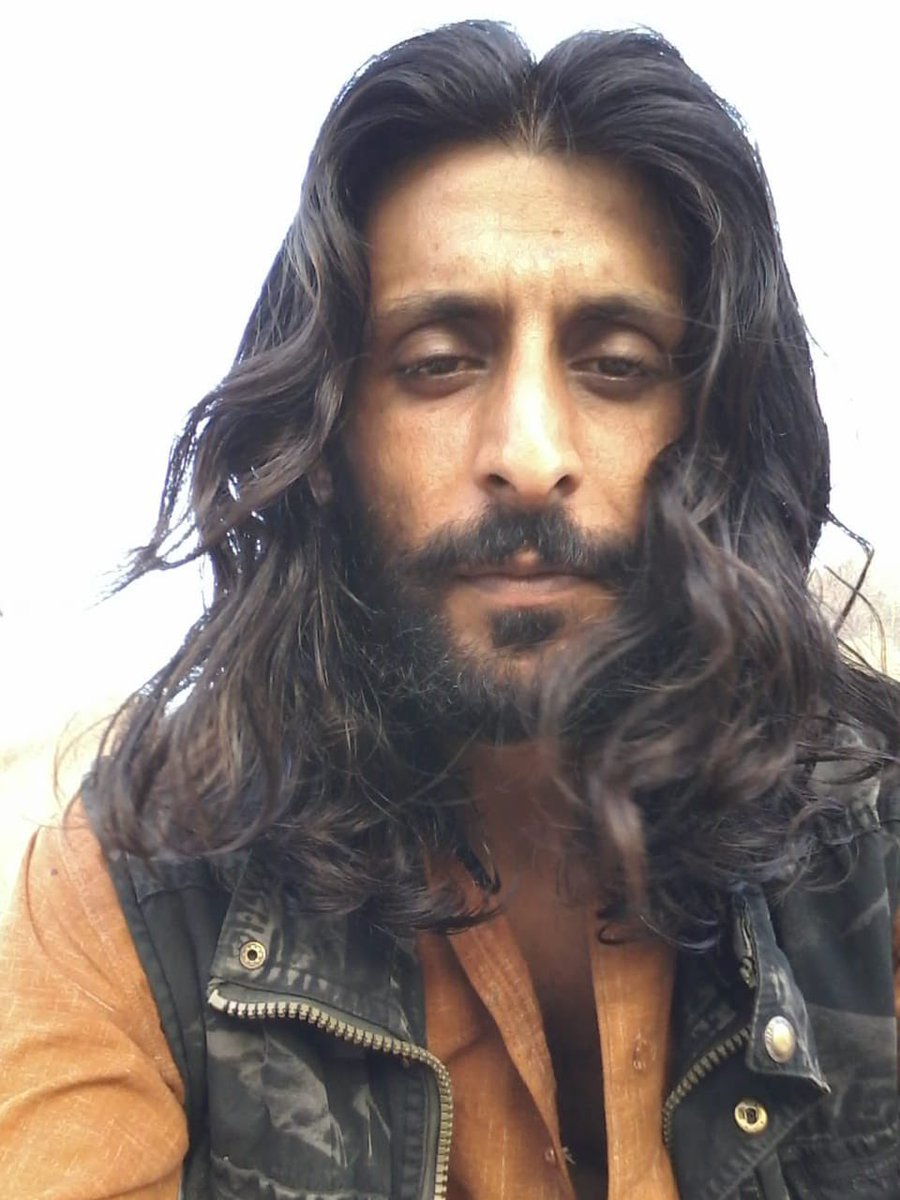
Abdul Rahim Muslim Dost, a founding member of Islamic State in Khorasan Province (ISKP), surrendered to the Afghan Taliban on March 4 and pledged allegiance to the group’s emir, Hibatullah Akhundzada (Twitter/Ab. Sayed, March 4). Dost appeared on March 4 in the capital city of eastern Afghanistan’s Nangarhar province, where he spoke to the media after addressing a gathering at the Taliban intelligence provincial directorate. At that time, he declared his allegiance to the Taliban for the purpose of the development, peace, and prosperity of the Afghan nation and declared ISKP a deviant group with an anti-Afghanistan agenda. He termed ISKP as khawarij (outside the fold of Islam) and accused it of being involved in extreme brutalities. He further called on ISKP members to join the Afghan Taliban for the greater interest of Afghanistan and admitted his support for ISKP was the biggest mistake of his life.
The gathering where Dost renounced ISKP was attended by the Taliban provincial intelligence chief, Dr. Bashir. Both Dost and Bashir hail from the same district of Nangarhar — Kot. Nangarhar was the traditional stronghold of ISKP and the group’s headquarters for five years after the founding of ISKP in early 2015 (Kot is one of the eight districts in Nangarhar that had a strong ISKP presence). [1] Since Dost’s betrayal of ISKP, he has become its arch-enemy because he represents a win for the Taliban in its rivalry with ISKP.
Dost’s First Interview
Dost is a prominent Afghan Salafist scholar who has had influential roles in the Afghanistan and Pakistan militant landscape since 9/11 (Militant Leadership Monitor, February 2021). He was also the first Afghan jihadist to pledge loyalty to the Islamic State (IS) caliph, Abubakar al-Baghdadi, within 48 hours of his self-declared Caliphate announcement in 2014 (Archives, July 10, 2014). Within months of ISKP’s establishment, however, Dost parted ways with the group and became its top critic (Nun Asia, October 21, 2015). Since then, he has publicly criticized the group and alleged it was infiltrated by Pakistani intelligence to destabilize Afghanistan. The same anti-Pakistan rhetoric dominated Dost’s narratives in his interaction with the media after he pledged allegiance to the Taliban on March 4 (Shahmshad TV, March 7).
Dost held a detailed interview with an Afghan television channel on March 7, where he spoke at length about his jihadist life, falling out with ISKP, and allegiance to the Taliban (Shahmshad TV, March 7th). He claims he parted ways with ISKP “within a month” when he realized the group was infiltrated by Pakistan intelligence agents and worked at their direction to create bloodshed and instability in Afghanistan.
Due to his open criticism of ISKP, Dost claimed that IS assassinated three of his nephews and a cousin and that ISKP would hunt him until the end. He further claimed ISKP abducted his two sons from Kabul eight days before the Taliban takeover in August 2021. Both of them dramatically escaped ISKP captivity, but one was fatally wounded.
ISKP’s Reaction to Dost’s Critiques
ISKP quickly reacted to Dost’s pledge of loyalty to the Taliban and his criticism of the group. Dost’s announcement coincided with an ISKP terrorist attack in Peshawar, a north-western provincial capital of Pakistan. The attack targeted a Shia Muslim mosque during Friday prayers and resulted in over 250 injured and 67 casualties (The News, March 13). The 28-page ISKP statement released on March 10 to claim this attack also criticized Dost for his allegiance to the Taliban and his remarks against ISKP. [2] The statement called Dost a greedy journalist disguised in the cloak of a “mullah and shaykh.”
ISKP challenged Dost’s claims of limiting its war only to Afghanistan on the Pakistani intelligence’s direction and blatant lies and stated that ISKP has conducted a parallel war in Pakistan since its emergence in 2015 whose latest example is the recent attack in Peshawar. ISKP asserted that the group’s fight against Pakistan is evident to all and alleged Dost now himself has become an indirect stooge of the Pakistani intelligence with his joining the Afghan Taliban. In fact, ISKP claims the Taliban are the real Pakistani stooges.
The most detailed ISKP bashing of Dost so far has been a 32-page critique penned by the prominent ISKP writer, Abu Musab Sharqawi, on March 5. [3] Sharqawi wrote that Dost was a former Afghan intelligence National Directorate of Security (NDS) agent planted in ISKP who tried to take control of ISKP leadership. He further accused Dost of attempting to sow the seeds of discord in the group by enflaming Hanafist-Salafist sectarian and Afghan-Pakistan nationalist divisions and hoping that doing so would lead him to ISKP’s top leadership position. He also called Dost a “nationalist apostate,” who wished to use ISKP for violence in Pakistan at the behest of Pakistan’s rivals, namely the Afghan and Indian intelligence agencies. He added that Dost blames ISKP for being a Pakistani intelligence project, but that Dost himself fell into the lap of the same intelligence agency by joining the Taliban. In this way, Sharqawi repeats the ISKP’s standard anti-Taliban narratives by labeling him as a Pakistani stooge.
Conclusion
It is significant that Dost repeatedly claimed the same charges against ISKP that were attributed to him after he publicly announced his rebellion against ISKP in October 2015. This was the first time ISKP published such an in-depth reaction to Dost’s charges against the group. ISKP’s al-Azaim media already had published a document in August 2021 containing a few sentences on Dost that called him “a nationalist apostate” working for the former Afghan intelligence agency in joint covert projects funded by Saudi and Indian intelligence. [4] However, ISKP’s breaking its silence on Dost may indicate a newfound fear that his allegiance to the Taliban will inspire former ISKP members to follow his example while ISKP struggles to mobilize its own fighters for war against the new rulers of Afghanistan, namely the Taliban.
References:
[1] Abu Saad Muhammad al-Khurasani, “Bright pages for understanding the nationalist Taliban,” al-Azaim Foundation, August 2021. [2] “Glad tidings to Peshawar”, al-Azaim Foundation, March 9, 2022. [3] Abu Musab Sharqawi, ”Muslim Dost or Murtad (apostate) Dost?”, Iqra media, March 5, 2022. [4] Abdul Qahar, ”Pugwash organization”, al-Azaim Foundation, August 31, 2021.