The Death of Daud Muzammil and ISKP’s Assassination Campaign Against the Afghan Taliban
The Death of Daud Muzammil and ISKP’s Assassination Campaign Against the Afghan Taliban
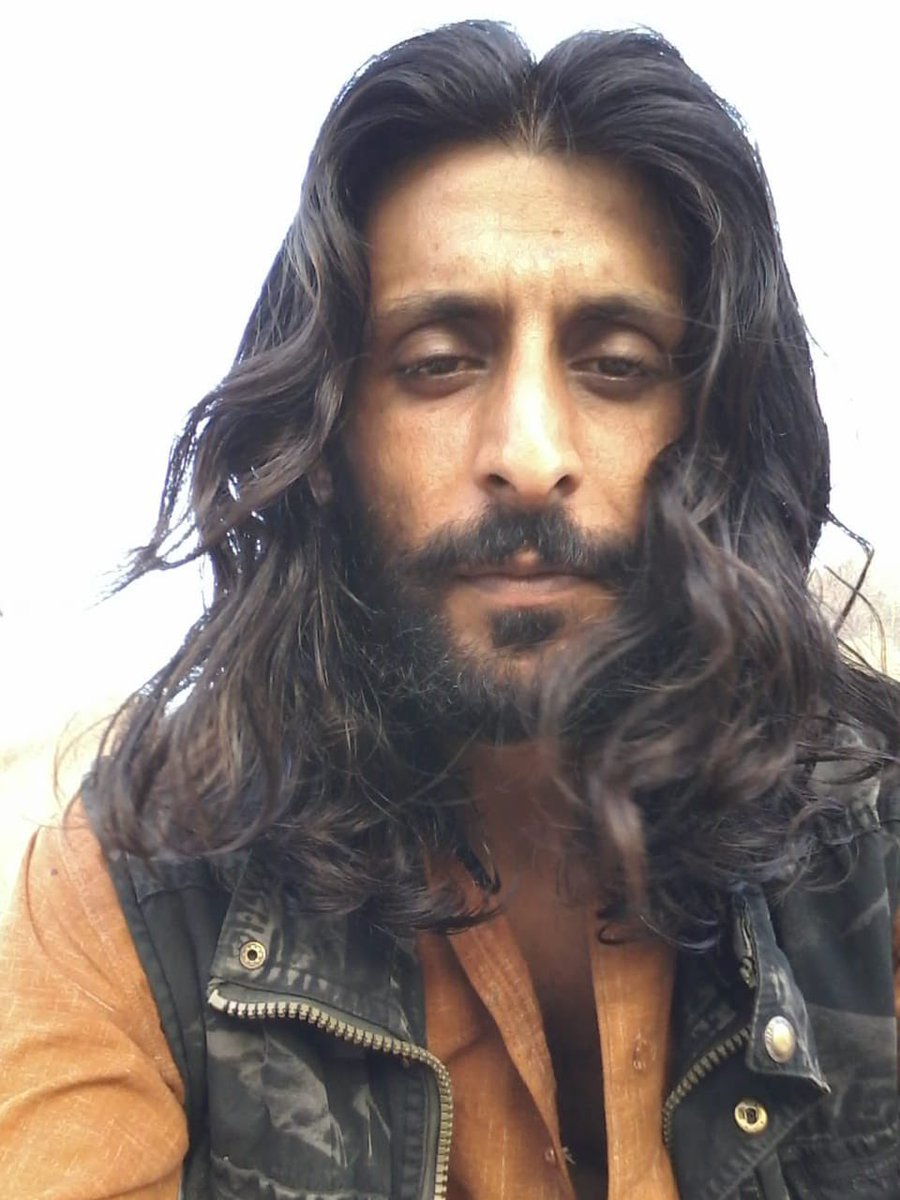
Islamic State in Khorasan Province (ISKP), which operates in Afghanistan and northwestern Pakistan, assassinated senior Afghan Taliban commander Daud Muzammil in a suicide attack on March 9 (Twitter.com/@Abdsayedd). This attack was ISKP’s most significant blow to the Afghan Taliban since the Taliban’s takeover of Afghanistan in August 2021. Muzammil was a top-ranking Taliban commander and was a trusted military assistant of the Taliban Supreme Leader Sheikh Hibat Ullah Akhunzada, who belongs to the same Noorzai clan as Muzammil did (Amu, March 11). Akhunzada appointed him as governor of Nangarhar and Balkh, which are strategically important provinces, with the goal of crushing the Taliban’s armed opponents there after they took over. He then served as deputy interior minister for security for eight months last year.
As a result of these roles in the Taliban, Muzammil was a high-ranked target for ISKP in Afghanistan. He also inflicted heavy losses on ISKP in its traditional stronghold in Nangarhar, playing a leading role in ISKP’s territorial defeat there in 2019. On top of this, Muzammil broke up the ISKP attack network in that province after the Taliban’s takeover in 2021.
ISKP celebrated Muzammil’s assassination as a major victory against the Taliban in a 20 minute video released on March 14 (Al-Azaim Media Foundation, March 14). ISKP described his killing as revenge for the deaths inflicted by Muzammil on ISKP in Nangarhar. Further, ISKP warned of future assassinations of key Taliban commanders. Beyond this, Muzammil was designated by the US as a terrorist for being a key Taliban actor close to Iran (US Department of Treasury, October 23, 2018). IS likewise declared his assassination a blow to Iran’s assets in Afghanistan. [1]
A Deep Dive into Daud Muzammil
Daud Muzammil hailed from the Greeshak district in southern Helmand province, and was a prominent Taliban commander since its emergence in the early 1990s. During that period, he fought against the Taliban’s rivals in northern Afghanistan. The pro-US militia of the Afghan warlord Abdul Rasheed Dostum, therefore, arrested him with hundreds of Taliban fighters from northern Afghanistan after the Taliban regime collapsed in October 2001. [2]
Muzammil rejoined the Taliban insurgency after his release from prison by Dostum’s fighters. He then launched a devastating series of attacks against the British-led International Security Assistance Force (ISAF) troops in his native province and surrounding areas with the support of al-Qaeda and foreign fighters from Pakistan and elsewhere. Accordingly, Muzammil was one of the Taliban commanders known for close relations with al-Qaeda during the insurgency, and al-Qaeda promoted him as a formidable Taliban commander in its publications. [3]
Muzammil eventually obtained key roles in the Taliban’s central military leadership when Akhunzada became the Taliban Supreme Leader in 2015. He served as shadow governor for different provinces, including Helmand and Farah, and then was appointed leader of the Taliban’s Quetta military council. In that role, he oversaw the insurgency in Afghanistan’s southern provinces (Amu, March 11).
Countering ISKP
When the Taliban exhausted its military power removing ISKP from Tora Bora, Akhunzada sent Muzammil to support another key commander, Peer Agha, in defeating ISKP in Nangarhar. Later, Muzammil led the Taliban’s victory against ISKP, which ended ISKP’s seemingly unbreakable five-year territorial hold in Nangarhar (Afghan Analyst, March 1, 2020). The ISKP territorial collapse in Nangarhar was celebrated as an overall defeat of ISKP in Afghanistan.
Similarly, Muzammil ruthlessly defeated the remaining cells of ISKP’s attack network in Nangarhar after August 2021. ISKP launched an intense hit-and-run attack campaign against the Taliban from Nangarhar on September 18, 2021. ISKP carried out around half of its 135 attacks post-Taliban takeover in 2021 in Nangarhar alone. [4] However, Muzammil quickly dismantled the ISKP network with brutal measures against the group, killing anyone suspected of supporting ISKP (Amu, March 11). He was, therefore, announced as governor of Nangarhar on September 20, immediately after ISKP launched several attacks (Twitter.com/@Abdsayedd). As a result, ISKP attacks were reduced significantly by January 2022, carrying out only two. Instances of ISKP attacks dropped from 183 in 2021 to 23 in 2022. [5] Having successfully accomplished his mission in Nangarhar, Muzammil was appointed as deputy interior minister for security by Akhunzada in February 2022 (Twitter.com/@MJalal0093).
Muzammil served eight months as a deputy minister of the interior until Akhunzada deployed him against ISKP and other armed opponents of the Taliban in northern Afghanistan as governor of the Balkh province. Balkh is a critical strategic Afghan province with borders with three Central Asian countries: Uzbekistan, Tajikistan, and Turkmenistan. This evidenced the respect Akhunzada had for Muzammil’s fighting and leadership abilities.
Conclusion
ISKP shifted their strategy towards high-profile assassinations in 2022. This trend began with the assassination of senior Taliban religious leader Rahim Ullah Haqqani on August 11, 2022 (Dawn, August 11, 2022). Haqqani was an extreme anti-ISKP figure who excommunicated ISKP supporters and declared death as the only punishment for them (Terrorism Monitor, November 20, 2021). The second high-profile ISKP assassination was—though ISKP did not claim it—another prominent Afghan religious leader, Mujib ur-Rehman Ansari, who was known for his strong support for the Taliban; to that point, Ansari justified the death penalty on any opponent of the Taliban (Khama, September 2, 2022). Similarly, the ISKP assassination of the Taliban’s head of security for northern Badakhshan province, Abdul Haq Umar, occurred through a tactical car bomb attack in December 2022 (Ariana News, December 26, 2022).
ISKP’s al-Azaim Media Foundation issued a five-page statement in Pashto on March 6, warning of revenge attacks against Taliban key commanders for the losses inflicted upon ISKP supporters and members under Taliban rule. It was only a matter of time before Muzammil would be targeted (Al-Azaim Media Foundation, March 6). The ISKP statement noted that the Taliban should not misconstrue silence from ISKP as indicative of the group’s death, suggesting instead that it would soon return to deal massive blows to the Taliban.
The same message was repeated in the al-Azaim Media video, (after the assassination of Muzammil) threatening more attacks against the Taliban leaders to come. Muzammil’s death is, therefore, likely a harbinger of future ISKP assassination attempts on major Taliban leaders.
Notes:
[1] “Two blows to the Iranian regime: Assassination of ‘the governor of Balkh’ and bombing ‘al-Tibyan center,’” Al-Naba weekly magazine, Issue 382, p. 8-9. [2] Author interviews with various sources including Taliban and former government security officials, conducted online on various occasions in September-October 2021. [3] See, for example, The al-Qaeda Urdu flagship Nawai Afghan Jihad magazine interview with Daud Muzammil, May 2012, “The enemy has completely failed and lost hope: An interview with the Imarat-e-Islamis deputy in Hilmand, Haji Daud Muzammil,” Nawai Afghan Jihad, Volume 5, Issue 5, p. 32-28. [4] Author’s dataset of ISKP attacks based on the official claims of IS’s al-Naba weekly magazine. [5] Ibid.