The Mysterious Assassination of Pakistani Taliban Spokesman Mufti Khalid Balti (Alias Muhammed Khurasani)
The Mysterious Assassination of Pakistani Taliban Spokesman Mufti Khalid Balti (Alias Muhammed Khurasani)
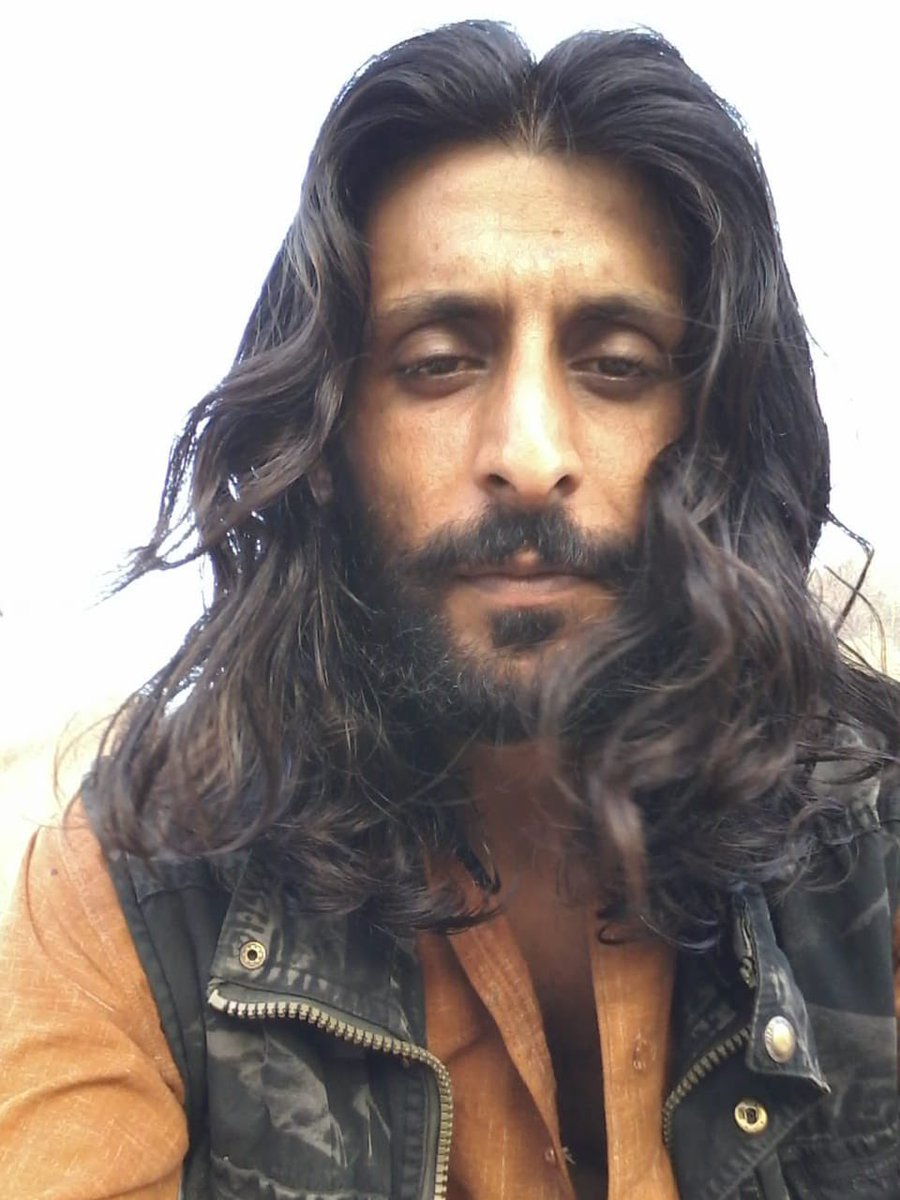
On January 9, 2022, Mufti Khalid Balti, a senior member of the Tehreek e Taliban Pakistan (TTP), or Pakistani Taliban, was killed in an unclaimed attack in a border district in eastern Afghanistan’s Nangarhar province (Dawn, January 10). Balti was the former TTP spokesperson who played significant roles for the TTP’s media, military and political fronts (Umar Media, January 13). Balti has become the first senior TTP figure in Afghanistan to be assassinated since the Taliban takeover of Kabul in August 2021.
Pakistani state television first reported Balti’s assassination on January 10, claiming that he was the TTP spokesperson known as “Muhammad Khurasani” (PTV News, January 10). That same day, the TTP issued a statement denying the death of “Khurasani” and stated the group was investigating the case (Umar Media, January 10). Days later, on January 13, the TTP confirmed Balti’s killing in a separate statement and provided details about his background (Umar Media, January 13). However, the TTP did not offer any specific information about the assassination itself.
According to media reports, Balti was missing for two days before his beheaded body was found with a bullet in the head on January 9 in Mohmand Dara (Mashriq TV, 13 January). His funeral was held in Kunar province, which is adjacent to Nangarhar (Dawn, January 13).
Initiation into TTP
Mufti Muhammad Khalid Balti’s name at birth was Muhammad Ali Balti, and he hailed from northern Pakistan’s Gilgit-Baltistan region (Mashriq TV, January 13). He belonged to the Noorbakhshi sub-sect of Shia Islam, but later converted to the Sunni sect. He received religious education from the Deobandi seminary in Karachi city, where he later became a religious scholar (The News, November 16, 2014). [1] He was also affiliated with the Jamia Rasheed seminary in Karachi, which has been a major supporter of the Afghan Taliban in Pakistan ever since the Taliban took control of Kabul in the mid-1990s.
Balti became close to Deobandi jihadists and sectarian militant groups in Karachi. He joined the jihadist war against the Pakistani state after a Pakistani military operation against the pro-jihadist Deobandi mosque and seminary known as the Red Mosque in 2007(BBC Urdu, January 11). After this, he moved to Waziristan in the Pakistani tribal region bordering Afghanistan, which served as the jihadist regional capital. The anti-state Pakistani tribal militants hosted local and foreign jihadists along with al-Qaeda and the Afghan Taliban. Balti, therefore, also shifted there in early 2008 and joined the TTP, which was only a few months old at the time, as it was established in December 2007 (BBC Urdu, January 11).
Balti was involved in the TTP’s militant, political and media fronts, but his most significant contributions were to developing TTP propaganda (Umar Media, January 13). His educational instructor in Karachi, Jamia Rasheed, was a pioneer of jihadist media and propaganda operations in Pakistan (The News, June 30, 2019). Jamia Rasheed, for example, published the largest Urdu jihadist weekly, Zarb-i-mu’min, which was the mouthpiece of the Afghan Taliban and Pakistani Deobandi jihadist groups in Kashmir (The News, June 30, 2019).
In addition, Jamia Rasheed held jihadist media training courses for religious students, where Balti was a trainee and then trainer [2]. Thus, Balti helped the TTP develop its media and propaganda operations through his past experiences and joined the TTP’s media commission at its inception. He was appointed the TTP spokesman and put in charge of its media commission in 2014 when the former TTP spokesperson, Shahidullah Shahid (alias Shaikh Maqbool), defected to Islamic State in Khorasan Province (ISKP) (The News, November 16, 2014).
Imprisonment at Bagram
It was when Balti took charge as TTP spokesperson that he adopted the alias “Muhammad Khurasani.” He then further established a committee for the spokesperson position and headed the committee [3]. A senior Pakistani journalist reported that Balti would regularly contact Pakistani media to relay TTP statements and other information relevant for the media (BBC Urdu, January 11). This was an effective TTP strategy because when Balti was arrested by the U.S. and Afghan forces in Nangarhar in early 2015, “Muhammad Khurasani” continued as the group spokesman and has done so ever since (Geo Tv, January 13). This demonstrates that someone else within the TTP likely replaced Balti and used the same alias.
Balti’s arrest came after he claimed responsibility for the TTP’s brutal attack against the Army Public School (APS) in Peshawar on December 16, 2014 (BBC Urdu, January 11). This was the most violent terrorist attack in Pakistan’s history because more than 147 people were killed, including 132 school children (The News, December 16, 2021). It consequently resulted in the TTP receiving massive condemnation across the world in Pakistan and beyond Pakistan. Even TTP-allied jihadist groups, such as al-Qaeda and the Afghan Taliban, strongly condemned it (The Express Tribune, December 21, 2014).
Following the arrest, Balti was transferred to Kabul’s Bagram prison, the largest U.S. military base in Afghanistan (BBC Urdu, 11 January). He was released from Bagram after the Taliban takeover of Kabul on August 15, 2021. According to the al-Qaeda Urdu flagship magazine, Nawa-i-Ghazwai Hind, Balti repented in prison for his part in the APS attack and admitted to the jailed inmates that it was an oppressive act [4]. The magazine added that Balti turned the prison into a religious seminary and taught many inmates in Islamic theology and religious education.
Assassination in Afghanistan
Balti is not the first TTP commander to be killed in a mysterious unclaimed attack in Afghanistan. Similar attacks started when TTP factions shifted to Afghanistan after Pakistani military operations destroyed the militant strongholds on the Pakistan side of the border in late 2014. Following their dislodging in Pakistan, they established a string of remote bases across the eastern Afghanistan border provinces of Khost in the southeast to Kunar and Nuristan in the northeast. [5] Since then, several senior TTP commanders have been killed in unclaimed attacks.
Qari Shakeel Ahmad Haqqani was the first of the attacks, and he was killed on March 11, 2015 in the Goshta district of Nangarhar, close to the same area where Balti was killed (The News, March 13, 2015). Haqqani was a powerful TTP military commander and senior leader of the TTP Jumat-ul-Ahrar (JuA) faction. Since his death, several TTP commanders have met the same fate. Some of these major blows included the killing of TTP personnel who played major roles in the anti-state jihadist war in Pakistan, such as Shaikh Khalid Haqqani, Shehryar Mehsud, Haji Rasheed, and Muslim Yar (Tolo News, February 7, 2020; Dawn, February 14, 2020).
The Balti assassination has proven to be a worrisome incident for the TTP because his death demonstrates that these mysterious murders have not ended with the Taliban’s return to power. Moreover, his assassination came after the Pakistani government and military made threats against the TTP when attacks against the security forces increased after a ceasefire with the government on December 9, 2021 (Umar Media, December 9, 2021; The Express Tribune, January 10). The Pakistani government offered the TTP negotiations for a peace deal after the Taliban takeover of Kabul, which resulted in both sides’ agreeing to a ceasefire on November 9, 2021 (Dawn, September 15, 2021; Dawn, November 9, 2021; Umar Media, November 9, 2021). The TTP ultimately ended the ceasefire unilaterally on December 9, alleging government violations of its conditions (Umar Media, December 9, 2021).
Pakistani threats to the TTP turned into action when security forces shelled TTP hideouts in the remote areas of Kunar bordering Pakistan on December 16, 2021. In these attacks a TTP co-founder by the name of Mulawi Faqir Muhammad narrowly escaped (The Friday Time, December 18, 2021). Likewise, the vehicle of senior TTP military commander, Mufti Burjan, was targeted in an unclaimed improvised explosive device (IED) attack in Kunar on January 19 (Twitter/Abd. Sayed, January 20). Burjan was critically injured, and his driver was killed.
The TTP have accused Pakistani intelligence agencies of Balti´s assassination. Nawa-i-Ghazwai Hind, for example, claimed that Balti was assassinated by a hired agent of Pakistan’s Inter-Services intelligence (ISI) [6]. The fact that his killing was reported as significant news on Pakistani state-run media also confirms this theory.
Conclusion:
The TTP reaction over Balti´s assassination shows that it is a very unexpected blow to the group, which is now centered in Taliban controlled Afghanistan. A message was sent to the TTP that the Pakistani security agencies can and will target its senior figures like Balti, who otherwise operated stealthily. In sum, the TTP does not have a safe haven inside Afghanistan, as it may have expected. Pakistani intelligence likely has agents within TTP circles that can strike the group with similar attacks in the future. The TTP has issued new security guidelines to its commanders in Afghanistan to strictly follow security protocols to avoid any further losses [7].
References:
[1] Author interview with Karachi-based Pakistani journalist Faizullah Khan, an expert on militancy in Pakistan, remotely conducted, January 15, 2022. [2] Author interview with a former student of Mufti Khalid Balti at Jamia Rasheed, remotely conducted, January 10, 2022. [3] Author interview with a former student of Mufti Khalid Balti at Jamia Rasheed, remotely conducted, January 10, 2022. [4] Moeen-u-Deen Shami, “Martyrdom of Mufti Khalid Balti,” Nawai Ghazwai Hind, 15(01), January 2021, p.90. [5] For details on the TTP shifting to Afghanistan in late 2014, see Abdul Sayed and Tore Hamming, “The Revival of the Pakistani Taliban,” CTC Sentinel 14:4 (2021): pp. 28-38. [6] Shami, “Martyrdom of Mufti Khalid Balti.” [7] A TTP letter circulated via the group’s social media accounts shortly after the attacks on Balti and Swati, which advised cadres to adhere to strict security measures to counter infiltration.