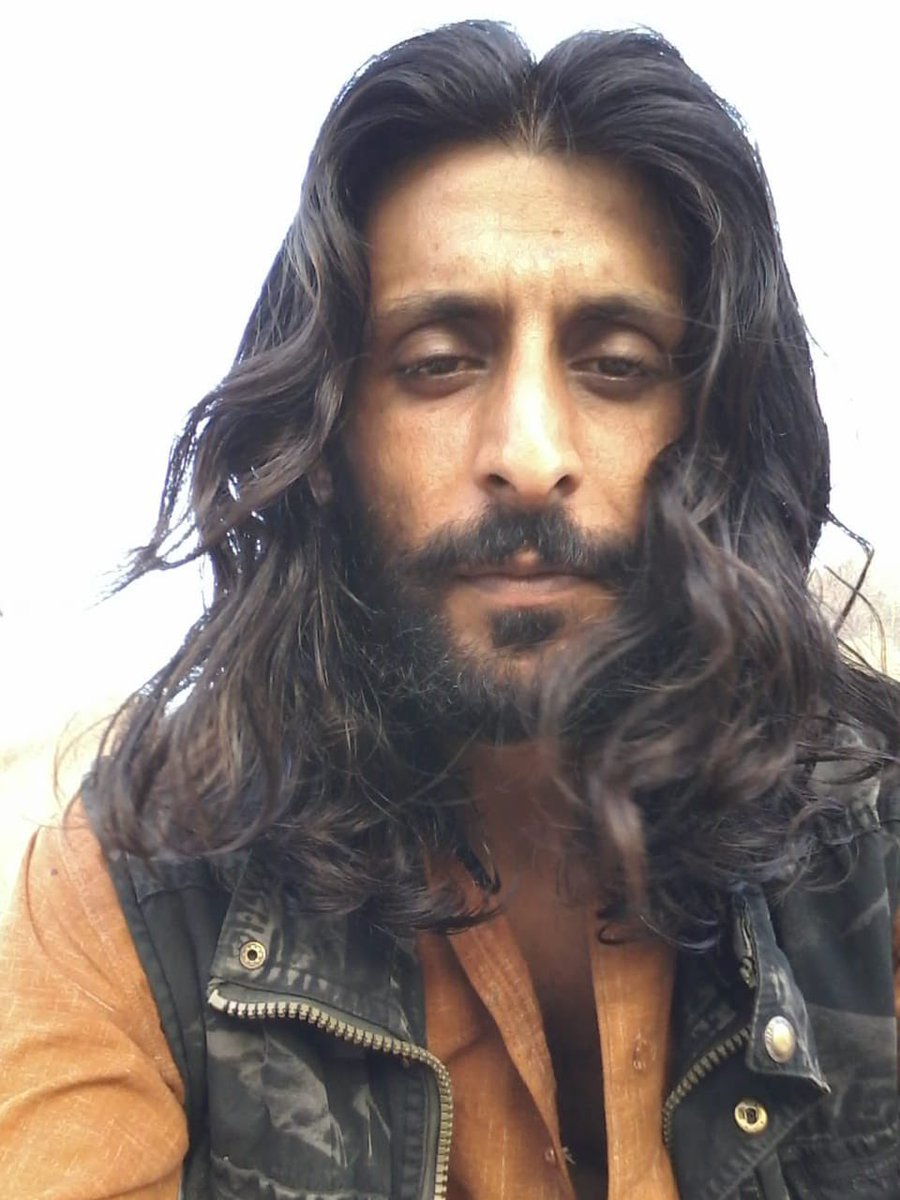
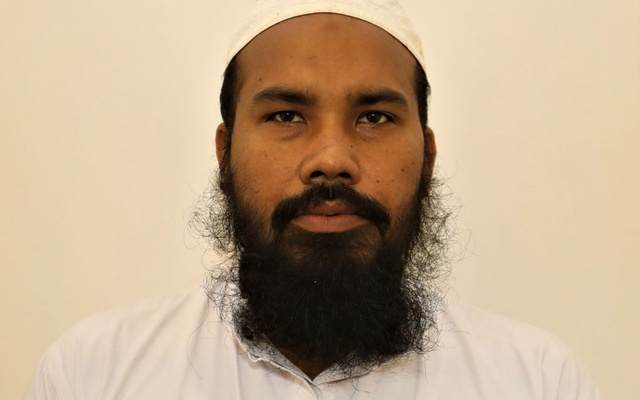
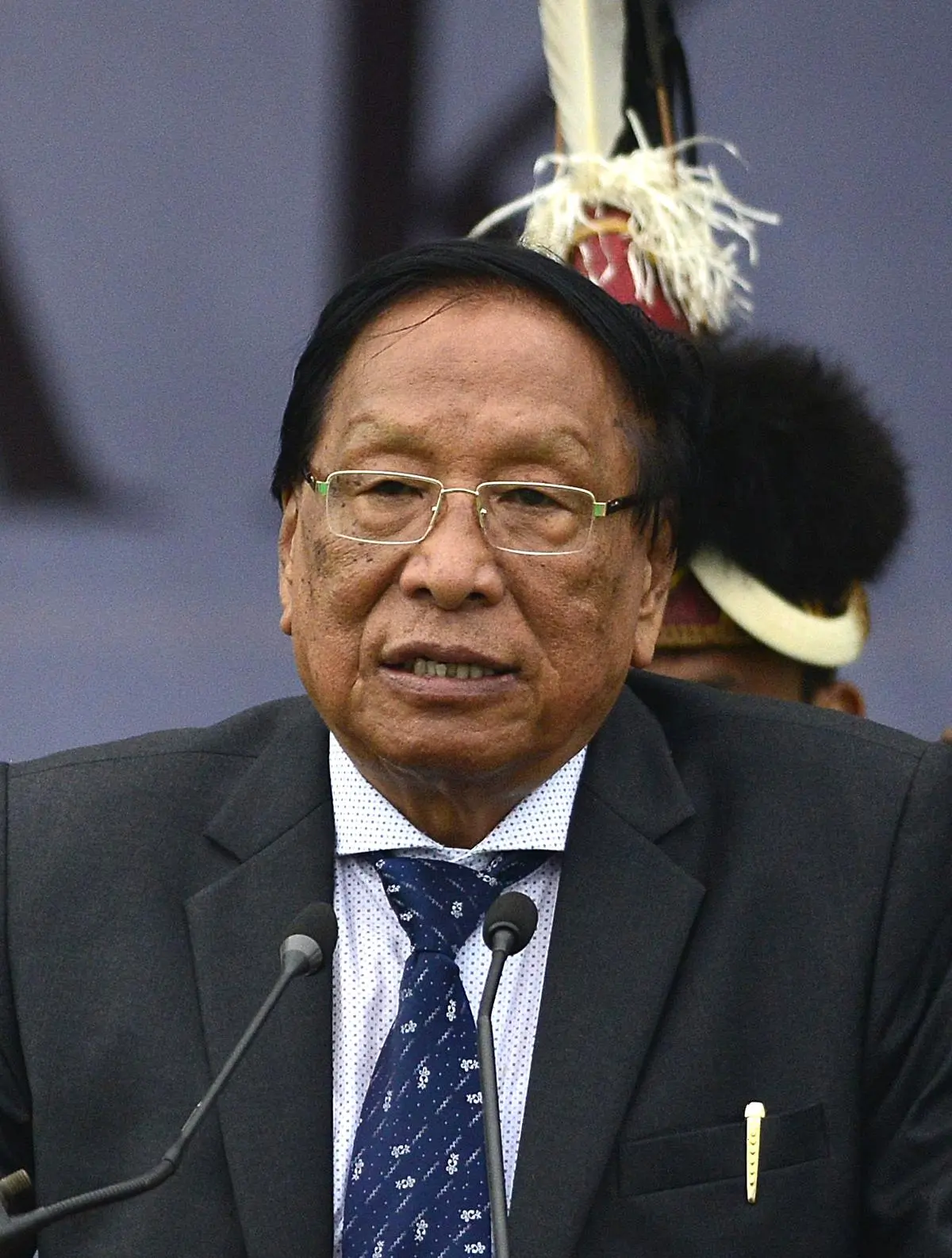
Qari Fasihuddin Fitrat: The Afghan Taliban’s Tajik “Commander of the North”
Qari Fasihuddin Fitrat: The Afghan Taliban’s Tajik “Commander of the North”
Qari Fasihuddin Fitrat is the military commander of the armed forces of the Taliban-led Islamic Emirate of Afghanistan (IEA). An ethnic Tajik, Fitrat is currently leading the war on Islamic State in Khorasan Province (ISKP). In June, Fitrat announced that the perpetrators of ISKP bombings in Badakhshan province—which killed Nisar Ahmad Ahmadi, the Taliban’s deputy governor of Badakhshan—would not go unpunished (Ariana News, June 8). Owing to Fitrat’s personal charisma and unique position as the Taliban’s first Tajik and non-Pashtun commander, he was able to rise to the most powerful military position in the current administration. He is now playing a leading role in countering the Taliban’s internal and external security threats.
Early Life and Career
Born in Warduj District of Badakhshan Province, Fitrat belongs to a religious Tajik family (Asia Plus, March 31). He was the son of Mawlawi Saifuddin, who served as an imam in Warduj in the 1980s. In religious circles, Fitrat’s father was highly respected—not only in Warduj but also in the other conservative districts, including Yumgan, Jurm, and Baharak. Fitrat received his education during the Taliban’s first administration (1996-2001), both in Afghanistan and Pakistan (AAN, January 3, 2017).
By virtue of his loyalty to the Taliban, Fitrat rose through the Taliban ranks within a few years. Following the ouster of the Taliban’s first government in Kabul in 2001 (as a result of the American invasion of Afghanistan), the Taliban created a de facto shadow government in various provinces of Afghanistan, appointing “officials” to exercise influence in the war-torn country (Profile Pelajar, July 27). In 2013, Fitrat became the “shadow governor” and head of the military commission in Badakshan province, which borders both Tajikistan and China (AAN, January 3, 2017).
In 2015, the former Afghan government claimed that Fitrat was killed during security operations in the Baharak District of Badakhshan Province. The Taliban, however, rejected the claim by the Ministry of Interior Affairs. The organization then issued an online statement to assert that Fitrat was still alive (Khaama Press, October 3, 2015).
Fitrat’s Influence
Fitrat is a talented speaker and preacher. As the Taliban’s shadow governor, he preached about the virtues of jihad in a series of videos, calling the former Afghan government a “puppet for the infidels.” In a video clip released in 2015, Fitrat was seen addressing the surrendered Afghan National Army (ANA) soldiers in Yumgan district. In the clip, Fitrat referred to the 2012 Quran burning at the United States’ base in Bagram and asked the surrendered soldiers whether it was fair “to shoot dead those who protest against the burning of the holy book.” He finally urged all ANA soldiers not to trust the US (AAN, January 3, 2017).
On September 7, 2021, four years later, Fitrat was appointed as the head of Afghanistan’s armed forces (Profile Pelajar, July 27). He became known for his success in military affairs, and is credited as being the strategic mind behind the Taliban’s conquest of Panjshir (Samaa TV, September 7, 2021). After becoming military head, Fitrat addressed a gathering in Kabul and exclaimed that “Afghanistan would have a regular, disciplined, and strong army in [the] near future to defend and protect the country … consultations in this field continue” (XinhuaNet, September 16, 2021).
“Conqueror of the North”
Following the takeover of Kabul by the Taliban in August 2021, former Afghan Vice President Amrullah Saleh fled to Panjshir, where he joined the anti-Taliban resistance forces alongside Ahmed Massoud, who is the son of the late Tajik commander Ahmad Shah Massoud (Samaa TV, September 7, 2021). As the last province resisting the Taliban advance towards the north, it took the Taliban four days of fighting under Fitrat to gain control of Panjshir. He then became the first Taliban leader in history to set foot in Bazarak, the provincial capital of Panjshir. Fitrat proceeded to play a key role in bringing the northern part of Afghanistan under Taliban control, becoming popularly known as the “Conqueror of the North.”
The Taliban failed to conquer Panjshir under its first regime (1996-2001) because the late Ahmad Shah Massoud did not surrender to the Taliban, resisting the Taliban until his death two days before September 11, 2001 (Samaa TV, September 7, 2021). On September 6, 2021, however, the Taliban announced that its fighters had completely captured Panjshir (XinhuaNet, September 16, 2021). Fitrat was the only non-Pashtun commander among the Taliban contingent that toppled the reconstituted Northern Alliance. Other Taliban commanders, such as those in the Haqqani network like Mullah Yaqub, Mullah Baradar, and Mullah Haibatullah, faced tough resistance in their home provinces of Kandahar, Helmand, Kunar, and Ghazni, respectively (Afghan Bios, April 17).
Campaign Against Dissident Hazara Commander
In June 2022, Fitrat led a military campaign against a dissident Hazara commander, Mehdi Mujahid, in Balkhab, a rural district in the Sar-e-Pul Province in northern Afghanistan (Muslim Mirror, June 24, 2022). Mujahid was the most senior ethnic Hazara security official in the Taliban government. After the Taliban’s leadership dismissed him for unspecified reasons, however, he revolted.
Mujahid accused the Taliban leadership of depriving the Shia Hazara minority of civil rights and posts in the new government. Taliban forces led by Fitrat, therefore, attacked Mujahid’s stronghold in Balkhab. This led to Fitrat facing allegations of human rights abuses in his military campaign, with Amnesty International calling on the international community to recognize the rise in human rights violations in Afghanistan. The Taliban, however, rejected these allegations (Radio Free Europe, July 1, 2022).
Ambitious Military Mastermind
As an army head, Fitrat is dedicated to raising a trained and professional Afghan military equipped with the equipment and weapons necessary to conduct modern warfare. In February, when addressing a graduation ceremony for 450 soldiers from Mansouri Army Corps in Khost, Fitrat showed his willingness to send his special forces even to other countries for training. Fitrat stated: “To the extent that we are able, our forces will receive training in Afghanistan. We will send them abroad for training if it is necessary and beyond our ability” (Pakistan Observer, February 20). In the Taliban’s current situation, however, Fitrat cannot send his fighters abroad for training in Pakistan, the Middle East, or elsewhere; as long as the Taliban government remains unrecognized by the international community, no country is willing to train its military. Fitrat has nevertheless announced plans to increase the number of troops from 150,000 to 200,000 in the future (Tolo News, March 30).
Fitrat wants to build a professional national military out of the Taliban insurgency that fought against foreign forces and the previous American-backed Afghan government for 20 years. Afghanistan’s budget has allocated a large share for defense, due largely to Fitrat’s ambition to strengthen the Taliban’s anti-aircraft missile capacity. According to Fitrat, “From where we will obtain [anti-aircraft missile capacity] is confidential, but we should have it” (Express Tribune, April 12). This indicates that Fitrat is concerned about securing Afghan airspace against drones and other incursions.
Conclusion
Fitrat is striving to make Afghanistan’s defense impregnable, with the end-goal of strengthening the Taliban’s hold over the country. At present, he is fully focused on air defense—a particularly weak point for the Taliban—while also being fully prepared to combat and crush ISKP, which has emerged as a threat to Afghanistan’s internal security. His quick and powerful response to the Hazara commander’s rebellion in northern Afghanistan reflects his strategy to uphold previous military successes in recently conquered areas.
Fitrat has also been highly respected among the Taliban from the very beginning for his family’s religious background; likewise, he has earned plaudits from other jihadists for ideologically having been associated with the Taliban movement’s fight against foreign occupation forces for years. The rise of a Tajik and non-Pashtun commander like Fitrat to the Taliban’s most powerful military position reflects the strength of the ideological bond of the Pashtun-dominated Taliban movement. Indeed, as the son of an imam, it was Fitrat’s adoption of the Taliban’s radical version of Islam that brought him closer to the Taliban’s leadership—not his ethnicity.