Sanan Khan Qureshi: A Pakistani Sindhi Nationalist Leader Struggling to Match His Predecessors
Sanan Khan Qureshi: A Pakistani Sindhi Nationalist Leader Struggling to Match His Predecessors
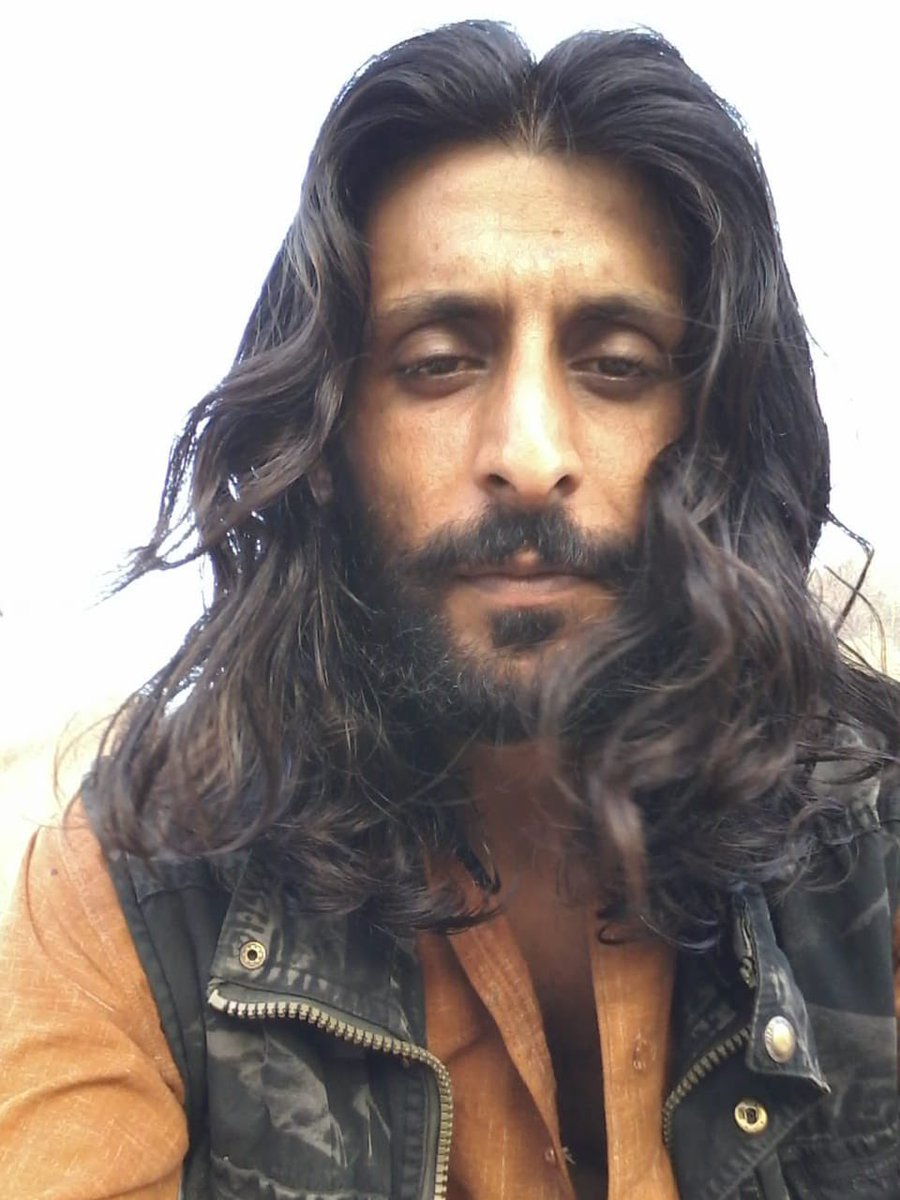
Sanan Khan Qureshi is the current chairman of Jeay Sindh Qaumi Mahaz (“Long live Sindh Nationalist Front,” or JSQM), a Sindhi nationalist and separatist political organization in Pakistan’s southern province of Sindh. At the young age of 19 years, Sanan was elected unopposed as the JSQM chairman in September 2012. This accomplishment followed the death of his father, Bashir Khan Qureshi, who was the former JSQM chief (The Nation, September 11, 2012).
Ghulam Murtaza Syed (G.M Syed), the veteran Sindhi nationalist leader, was the founder of Jeay Sindh Tehreek (“Long Live Sindh Movement”), a nationalist movement demanding an independent Sindhudesh (Sindhi country) for the Sindhi people. He died in 1995, but several Sindhi nationalist groups joined his movement under the umbrella of JSQM, which had been a committed Sindhi nationalist party since 1995. JSQM held protest rallies and long marches and staged sit-ins across the province on various issues, such as water crises, the arrival of illegal immigrants in Sindh, and the construction of mega-dams, to safeguard Sindhi rights.
Under the leadership of Sanan, however, JSQM has not been as active since 2012 as it was under his father (Express Tribune, December 17, 2018). This disparity raises questions about the long-term viability of JSQM. In addition, it remains unknown whether JSQM will increasingly agitate against the Pakistani state and become outright militant or will only continue to stumble along while other Sindhi nationalist groups become comparatively more active and prominent.
Sanan Qureshi: A Leader by Choice?
Sanan Qureshi lives in Gulshan-e-Hadeed in Karachi, the provincial capital of Sindh. The sudden death of his father, Bashir Qureshi, shocked Sanan, who alleged the death was due to poisoning by an unnamed culprit. Six months later, Sanan was given the responsibility of leading the party and replacing his father. JSQM elected him as the unopposed party chairman in September 2012, although he was not necessarily mentally prepared to hold the top position in the party.
For example, at that time in 2012, Sanan had no plans to join politics, as he was a student completing his two-year pre-university course at the Government Degree College in Ratodero, Sindh. On the occasion of his election as party head, the 19-year-old Sanan stated, “my father wanted me to study,” and then while trying to impersonate his father’s booming voice added, “I will try to make sure that my father’s dreams come true” (Express Tribune, September 11, 2012).
As party head, Sanan remained beleaguered by problems. The party witnessed a sharp decline in its antagonistic politics to the state under Sanan, who seemed unable to find the right time to carry on the ideological goals set by the party’s founding leader, G.M Syed. In 2018, Sanan stated, “my father was killed because of the nationalist movement for the rights of people living in this land. Two years on, my uncle was burnt to death. One can’t imagine the pressure on us.” He also recalled that, “historically, we have witnessed the downfall of political movements in the world. We are waiting for the right time and hope to carry on the legacy of G.M Syed” (Express Tribune, December 17, 2018).
Internal divisions and Conflict in Sanan Qureshi-led JSQM
The election of Sanan as JSQM chairman triggered internal conflict and divisions within the party. Some senior leaders, covertly and overtly, opposed Sanan’s leadership. Critics alleged that the top party leadership hijacked the party and several senior leaders and die-hard workers quit the party in the ensuing eight years after Sanan became leader. They contended that the top leadership continued to live in delusion and did not care about the political organization of the party.
As a result, under Sanan’s chairmanship internal divisions and factions within the party immensely damaged JSQM. Dr. Niaz Kalani, a former senior vice-chairman of JSQM, lamented that Sanan had imposed a ban on the activities of leaders who dared to speak against his autocratic approach. Kalani asserted, “the party is not private property and can’t be given to someone in inheritance. They have created such a situation that has forced us to quit the party” (Express Tribune, December 17, 2018).
The attack on Bahria town in Karachi in June by the workers of different Sindhi nationalist parties, including JSQM, however, brought the Sanan into the politics of protest. Sanan was arrested during this violent protest over what he considered a mega-housing scheme (The Nation, June 10, 2021). The Sindhi nationalist parties consider the construction of Bahria town to be illegal, as the land of local villagers has been grabbed by Bahria town, a mega-housing project, with the help of the Sindh provincial government. Thousands of protesters stormed into the town, torched its gate, and set fire to several vehicles, motorcycles, ships, and real estate offices. The police tried to disperse the protesters after arson attacks continued for nearly half an hour. Sanan, along with other nationalist leaders, lambasted the Sindh government for its failure to protect Sindhi lands (Dawn, June 7, 2021).
After being arrested by the police, Sanan was brought into an Anti-Terrorism Court (ATC) in Karachi in Bahria town. The court sent him into police custody for two days of judicial remand (The Nation, June 10, 2021). JSQM followed by observing a shut-down in which shops, markets, and businesses closed in several cities and towns across Sindh to protest the arrest of its chairman. JSQM further held protest rallies and demanded the release of Sanan and other JSQM activists (Dawn, June 9, 2021). Sanan was subsequently released from Karachi’s Malir district jail in July on bail granted by the ATC (Daily Outcome, July 19, 2021).
Conclusion
Thus far, Sanan Qureshi has not proven himself as a vocal and active Sindhi nationalist leader like his predecessors. Under Sanan’s leadership, the political and organizational activities of JSQM have come to a halt. By comparison, the same nationalist party under his predecessors, including his father Bashir Qureshi, vociferously raised the issues and problems being faced by the Sindhi people. It organized rallies, staged sit-ins, and even observed hunger strikes to highlight the issues of water scarcity and illegal immigration in Sindh.
As a result, over the past eight years, other Sindhi nationalist parties, such as Sindh United Party (SUP) and Qaumi Awami Tehreek (QAT), have become more vocal on Sindh issues than JSQM. Sanan’s arrest illustrates this perfectly. Specifically, JSQM was not even at the forefront of leading the protest against Bahria town, though it did try to remain on the list of protesters along with other Sindhi nationalist parties.
In light of all this, it is fair to say that JSQM has been in a “wait and see” mode under Sanan’s leadership for the past eight years. Further, in the Bahria town case, Sanan told the court that his party believed in non-violence and that they had nothing to do with the violent incident (The Nation, June 10, 2021). Therefore, there seems to be few prospects for the emergence of JSQM as a more violent group that would match the ferocity of its predecessors or other more violent militant groups in Sindh or Pakistan’s restive Balochistan Province.