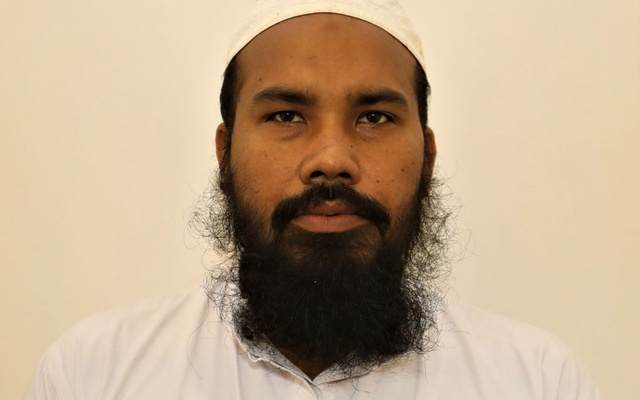
The Lasting Impact of Kenyan al-Shabaab Suicide Bomber Zubayr al-Muhaajir
The Lasting Impact of Kenyan al-Shabaab Suicide Bomber Zubayr al-Muhaajir
Zubayr al-Muhaajir is a Kenyan militant leader within the Somalia-based al-Qaeda affiliate in East Africa, al-Shabaab. On January 22, he coordinated and executed an attack along a street which housed the mayor’s office in Mogadishu. Al-Muhaajir died alongside five other attackers when a Somali elite unit—known as the Danab Special Forces—ended a five-hour jihadist siege. The target of al-Muhaajir and his fellow jihadists’ attack was Yusuf Hussein Jimale, who is the regional governor of Banadir region and has effectively led the war against al-Shabaab in Mogadishu (Garowe Online, February 1, 2023).
Al-Muhaajir: From Majengo to Somalia
Al-Muhaajir’s exact date of birth is unknown, but judging from the average age of the other militants with him, it can be deduced that he was in his late 20s when he died. He was, however, born in Majengo, a suburb of Nyeri in the central part of the country, near Mt. Kenya. The region is largely Christian and does not experience terrorism and related violence like Kenya’s northeastern regions of Garissa and Mandera or the coastal regions of Lamu and Mombasa (Daily Nation, March 18, 2021).
Nevertheless, the Kenyan government has focused more on the Majengo suburb since it became clear that Ali Salim Gichuge (alias Farouk) was born and bred there. In 2019, Gichuge led the attack on the DusitD2 hotel complex in Nairobi. Moreover, from the same suburb ten youths were recruited and proceeded to Somalia to fight for al-Shabaab (The Star, October 30, 2022). Among them was al-Muhaajir, who traveled to Somalia in 2017. At that time, Kenyan security agencies were warning that al-Shabaab was aggressively recruiting in majority non-Muslim regions of Kenya, such as Majengo’s slums (Daily Nation, March 18, 2020).
However, it is al-Muhaajir’s final testament to Kenyan fighters within al-Shabaab that most worries security officials. In an audio broadcast aired in the group’s Radio Al-Andalus, al-Muhaajir justified such suicide attacks and offered his corpse as a bridge for Kenyan recruits to march across and conquer their country (Site Intelligence Group, February 2, 2023). These instructions would have been received most intensely by other Kenyan militants within al-Shabaab, including, among others: Abdikadir Mohammed Abdikadir (alias Ikrima); Maalim Ayman; Mohammed Abdi Aden (alias Mohammed Yare), and Ramadan Kioko (alias Pinji), who are profiled below.
Profiling Key Kenyan Militants in al-Shabaab
The militant leaders listed above have conducted lethal terrorist attacks and are experienced. Since joining al-Shabaab, Kenyan security services have sought their arrest and prosecution.
Ikrima
Ikrima is a commander and strategist, who has headed al-Shabaab’s intelligence wing—the Amniyat. His influence has been seen most in attacks across northern Kenya and Nairobi. However, he rose to prominence in September 2013, after he helped plan the bombing of the upscale Westgate shopping mall, which killed at least 70 people and wounded an estimated 200 others. As of 2022, he remained among the most wanted Kenyan militants in al-Shabaab (Nation, January 12, 2022).
Born around the early 1980s to a middle class family in Mombasa, Ikrima started his early life in the Eastleigh neighborhood in Nairobi, where his family moved in the 1990s. Two decades later, in 2014, the US government placed a $9 million bounty on his head; this was followed in 2017, when the Kenyan government placed a $19,200 bounty on Ikrima (alongside four other suspects) for sneaking into Kenya to launch attacks.
Mohammed Abdi Aden
Mohammed Abdi Aden has several aliases, including Mohammed Yare, Ibrahim, Mohammed Hassan and Mohammed Abdirahman. Kenyan police arrested him in 2014 for collecting information to facilitate terror attacks in Nairobi. This was after he resided in the Garissa and Fedha estates in Nairobi and made his first trip to Somalia in 2013. After being acquitted in 2017, he travelled to Somalia again to join al-Shabaab. Currently, Yare is coordinating a unit carrying out attacks in the Boni forest along the Kenyan coast. The US has offered $10 million for his capture (The Star, January 13, 2023).
Maalim Ayman
Maalim Ayman coordinates the al-Shabaab unit operating along the Lacta Belt area, which is a forested area extending from Kenya into Somalia. The unit has been executing deadly attacks in Buare and Mpeketoni in Lamu County (The Star, July 6, 2014). The group is also blamed for improvised explosive device (IED) attacks on roads in Lamu and Garissa. Ayman has been linked to the January 5, 2020 Manda Bay Airfield attack, which killed a US soldier and two defense contractors. Two other US service members and another contractor were wounded. On January 5, the US indicted Ayman and offered $10 million for his arrest (Addis Standard, January 6, 2023).
Ramadan Kioko
Ramadan Kioko, who is also known as Pinji and Abu Nuseiba, is a Kenyan militant with al-Shabaab. He was recruited into the group by Shaykh Ahmed Iman Ali, who is a former al-Shabaab leader and was responsible for propaganda and recruitment of Kenyan youth from Majengo. Kioko joined al-Shabaab in 2008 and is one of the Maalim Ayman’s sub-commanders currently deployed in Boni Forest. Before joining al-Shabaab, he was a notorious pick-pocket in Nairobi (Nairobi News, January 13).
Conclusion
Al-Muhaajir’s final testament was to urge Kenyan fighters within al-Shabaab to return home and conquer their home country in the name of Islam. His instructions were intended for hundreds of youths from Kenya, who are fighting or desire to fight alongside al-Shabaab in Somalia. Kenya continues to struggle with al-Shabaab attacks, and the latest video from al-Muhaajir may only further inspire jihadists like him and the other Kenyans profiled above to carry out more attacks in Kenya.