The New Leader of the Tehrik-e-Taliban Pakistan in Bajaur Agency: A Profile of Maulvi Abu Bakr
The New Leader of the Tehrik-e-Taliban Pakistan in Bajaur Agency: A Profile of Maulvi Abu Bakr
The Bajaur chapter of the Tehrik-e-Taliban Pakistan (TTP) has been facing displacement from their native Bajaur Agency since August, 2008 due to a Pakistani military operation named “Sherdil” (Urdu for “Lion Heart”). It is also witnessing rising inter-Taliban and intra-Taliban group differences, coupled with leadership rivalries. On August 24 the TTP-Bajaur suffered a serious setback when its head, Jamal Said (a.k.a. Mullah Dadullah), was killed in a drone strike in the Sheegal district of Afghanistan’s Kunar Province. Dadullah and his companions had returned to Kunar province after conducting a cross-border raid into the Bajaur Agency, where they came under attack by a drone (Roznama Aag, August 25). Pakistan Today reported on August 26 that someone planted a chip, usually used for spying on the militants, near his compound, which helped the drone track him down. Dadullah was killed along with his deputy, Abdul Rehman (a.k.a. Shakir) and 12 bodyguards, while eight other militants were injured (Samaa TV, August 25). Dadullah’s killing marked the first time a Pakistani Taliban leader was attacked by a drone in Afghanistan (The Nation [Islamabad], August 26). Similarly, Dadullah was the second senior Pakistani Taliban commander to have died in Afghanistan; the first being Maulvi Munir of TTP-Bajaur, who was killed in an encounter with Afghan forces on October 27, 2010 (The News [Islamabad], August 26).
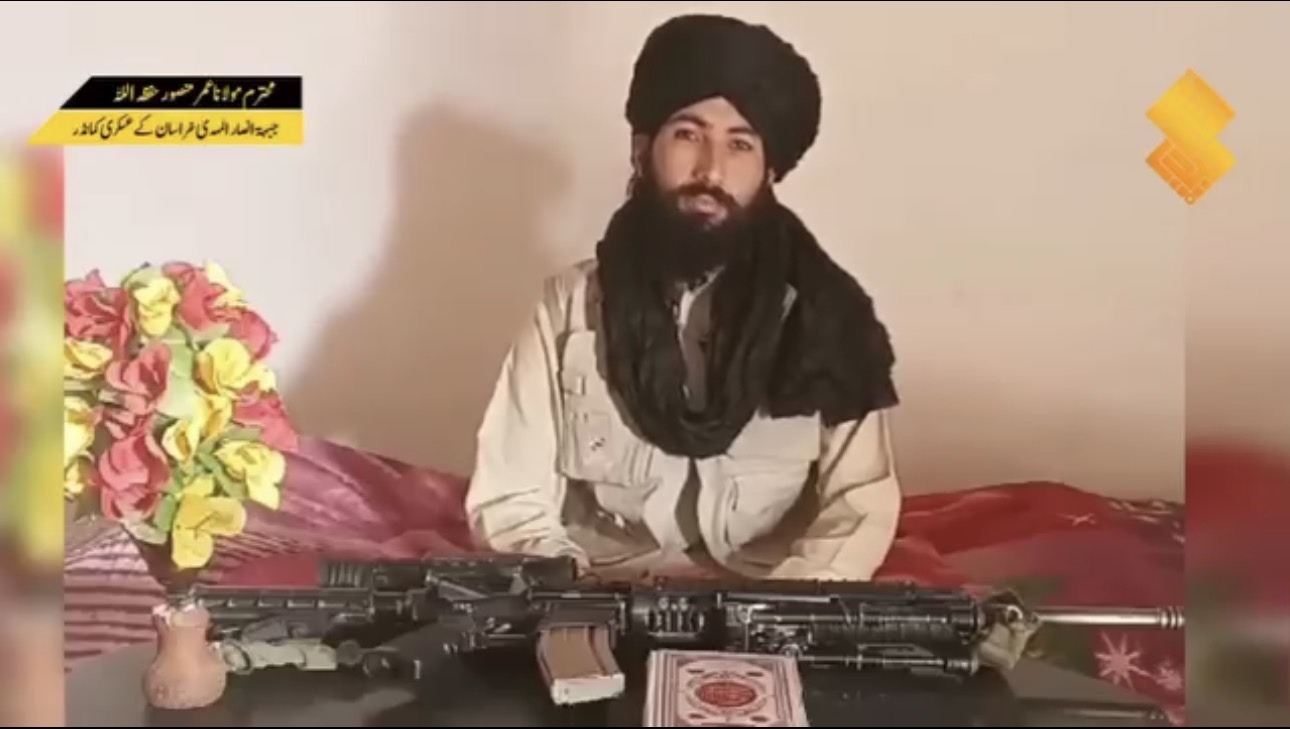
The TTP’s central spokesman, Ihsanullah Ihsan, called the media on August 25 to confirm Dadullah’s death. Ihsan also announced that the TTP leadership had appointed Maulvi Abu Bakr as its acting head in place of Dadullah. (The News, August 26; Express Tribune [Karachi], August 26; RFE/RL, August 25).
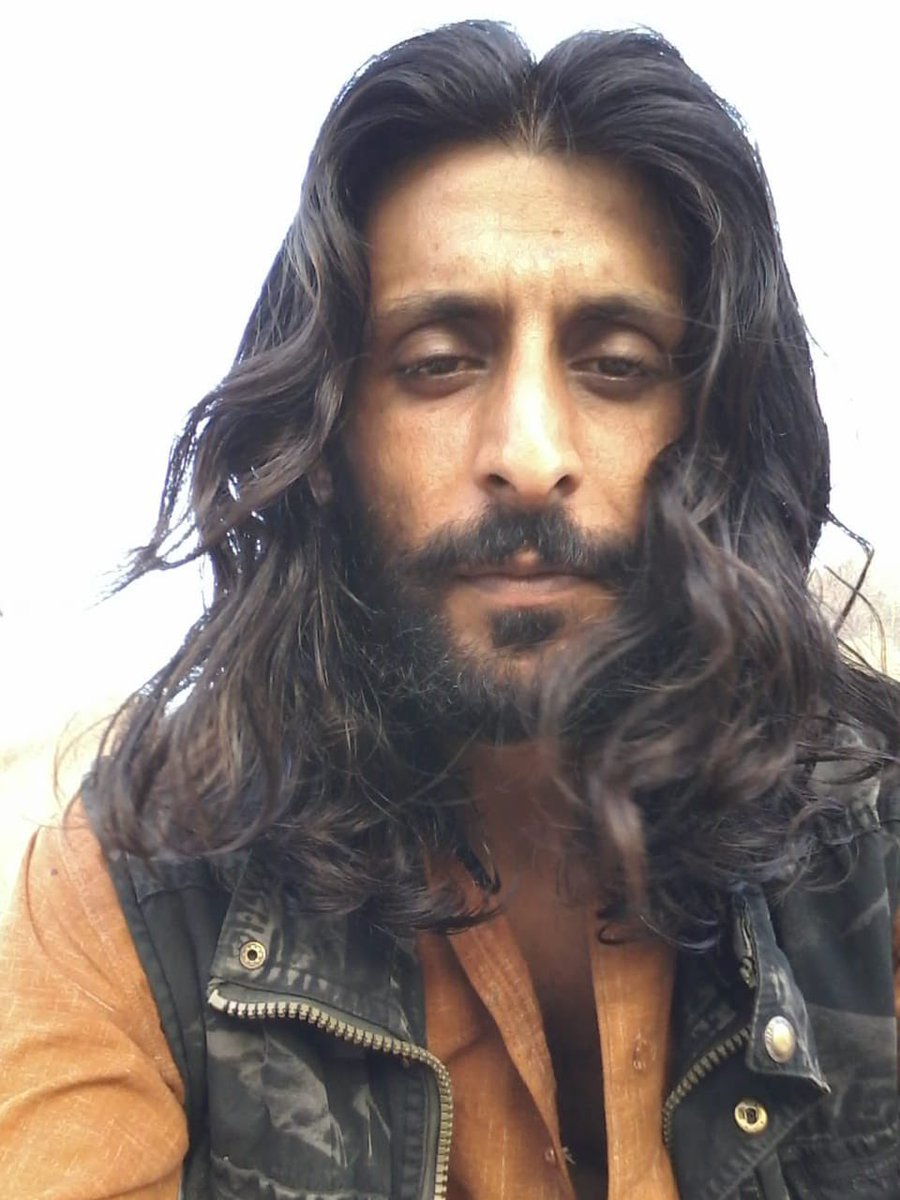
Abu Bakr was not an important figure before becoming the acting head of the TTP-Bajaur. Abu Bakr is the son of Yousaf Khan and his real name is Said Mehmood. He is 45-years-old and belongs to the Khwarchai village in the Mamond area of the Bajaur Agency. Khwarchai is a border town located at a distance of six kilometers from the Pakistan-Afghanistan border. Abu Bakr belongs to the Khalozai tribe, which is the major tribe of the Mamond area of Bajaur. It is important to mention that Mamond is also referred to as Khalozo because of the tribe. Mamond is divided into two parts: Loye Mamond (also known as Bar Khalozo) and Wara Mamond (Lar Khalozo).
Abu Bakr studied at the madrassa of Moulana Muhammad Tayyab, situated in Panjpir village in the Swabi district of Khyber-Pakhtunkhwa Province (KP). He is a follower of the Sunni Panjpiri sect, which differs from the Sunni Deobandi sect, to which most Afghan and Pakistan Taliban adhere. Abu Bakr never acquired education beyond religious schooling, but later taught at an Islamic madrassa in the village of Tarkho in Mamond. He also served as a prayer leader at a mosque in his village. Abu Bakr belongs to a lower middle class family, is married and has six children. Most of his family members are involved in the timber business. His family does not own any agricultural land and live in a mud house constructed on the land of a local tribal elder (or Malik).
Considered to be a close aide of the slain Dadullah, Abu Bakr is not a seasoned Taliban fighter. He joined the Taliban movement sometime in 2006-2007, when there was a common trend among the tribal people to join the Taliban insurgents. His eldest son, aged 20-22 years, was killed along with senior Taliban commander Maulana Liaquat Hussain in an airstrike on a madrassa in Bajaur in October 2006. Abu Bakr conducted cross-border raids into Afghanistan against coalition troops in 2007 and has fought against the Pakistan Army in the Bajaur Agency since 2008.
Abu Bakr suffered serious injuries in 2009 during the military action in the Charmang area of Bajaur Agency. He was brought to Peshawar for medical treatment at a private hospital. Later he was arrested at the hospital by the Pakistan Army and transported to an unknown place for interrogation. Since he had never been prominent within the Taliban’s ranks, he was set free on surety bonds provided by the influential tribal elders of his home town.
After his release Abu Bakr immediately shifted to Afghanistan’s Kunar Province where other Bajauri Taliban had retreated in the wake of military operation “Sherdil.” He also shifted his entire family to Kunar. In 2010, the Amn Lashkar (tribal volunteer militia) in Mamond destroyed Abu Bakr’s house in the village of Khwarchai.
Abu Bakr is currently based in the Sheegal district of the Kunar Province from where he carries out cross-border attacks on security checkpoints, pro-government tribal elders and the Amn Lashkar in Bajaur Agency. The recent Taliban onslaught on Bajaur’s Salarzai and the Lower Dir district of KP from August 25 to September 15 was led by Abu Bakr. Dozens of soldiers were killed and many civilians were killed or injured. More than 100 Taliban militants were also killed and dozens injured in the offensive (The News, September 16). The Taliban launched the offensive in the aftermath of Dadullah’s killing. It is not clear if the operation was pre-orchestrated or if it was a reaction to Dadullah’s death, or whether Abu Bakr played any role in the planning and execution of the Taliban offensive.
Abu Bakr’s nomination as acting head of the TTP Bajaur was a matter of astonishment for his own family members and villagers, who never considered him important enough for a leadership position. His nomination was also a matter of serious concern for his immediate family, villagers and elders of his area, who feared that his rise within the Taliban’s rank might bring miseries for them in the form of future retribution by the government and other tribes of Bajaur. His extended family is not known for having strong links with the Taliban.
Like his predecessor Mullah Dadullah, Abu Bakr’s patron in the TTP-Bajaur was Maulana Munir, the deputy of TTP leader Maulana Faqir Muhammad. Munir headed the Taliban court in Bajaur Agency from October 2006 to July 2008, looked after the Taliban FM radio stations and operated a madrassa in Mamond Tehsil. The madrassa and Munir’s home were demolished by Pakistani security forces in 2010. Being from Sewai village of Mamond, Munir was known for his close association with al-Qaeda and for his hard-line views against Pakistani government and armed forces. He differed with Faqir Muhammad over the latter’s peace overtures towards the government and issued a decree against security forces and other government employees declaring them as infidels and liable to be killed (Dawn [Karachi], October 29, 2010). He encouraged Dadullah to take over the TTP’s leadership from Faqir Muhammad. Munir was subsequently killed in a fight with Afghan forces in October 2010 in Kunar (Central Asia Online, October 29, 2010). Abu Bakr, likewise, is known to maintain close links with al-Qaeda in Kunar.
The appointment of Abu Bakr as acting head has raised many eyebrows. Firstly, his appointment as could mean that a permanent head might be selected after the TTP’s central shura is convened at an appropriate time in the future. Secondly, the temporary appointment of Abu Bakr could mean that the terrorist outfit is currently devoid of senior and battle hardened commanders. This may be true since Maulana Faqir Muhammad left the TTP this year after being dropped from the TTP-Bajaur leadership in late 2011. Some senior commanders loyal to him, like Jan Wali (a.k.a. Sheeno) may also have parted ways with the TTP. Prominent leaders like Waliur Rehman (a.k.a. Rathan), Salaar Masood, Dr. Ismail and others gave up militancy and surrendered to the government. Thirdly, it has been seen that the appointment of junior commanders as heads of a militant outfit often sparks leadership rifts, since many Taliban commanders base their claim to leadership on seniority as well as the strength of their tribes within a given agency. The Ahmadzai Wazir Taliban of South Waziristan Agency provided a vivid example of this when senior Taliban commanders like Haji Omar Yargulkhel, Javed Karmazkhel and Noor Islam Yargulkhel refused to accept Mullah Nazir (then a junior commander belonging to a small clan of the Kakakhel) as a successor of Nek Muhammad Yargulkhel. Subsequent instances of defiance and infighting led to open hostility between them.
The recent TTP onslaught on Salarzai also revealed that the TTP-Malakand led by Maulana Fazlullah also took part in the fighting along with the TTP-Bajaur. On August 30, the TTP-Malakand lost two senior commanders, Khatir and Turabi, in fierce clashes with security forces in the Batwar area of Salarzai (Dawn, August 31). It is important to mention that Faqir Muhammad and his fighters did not take part in the Salarzai attack. With the TTP in Bajaur weakening due to defection, surrender or purging of senior Taliban commanders, there may be an opportunity for the TTP-Bajaur and TTP-Malakand to cooperate more closely in the future. There is a probability that such cooperation may take place under a single leader, who may be none other than Maulana Fazlullah of Swat.
Note: This article is based on primary information collected from a host of sources within Bajaur Agency.