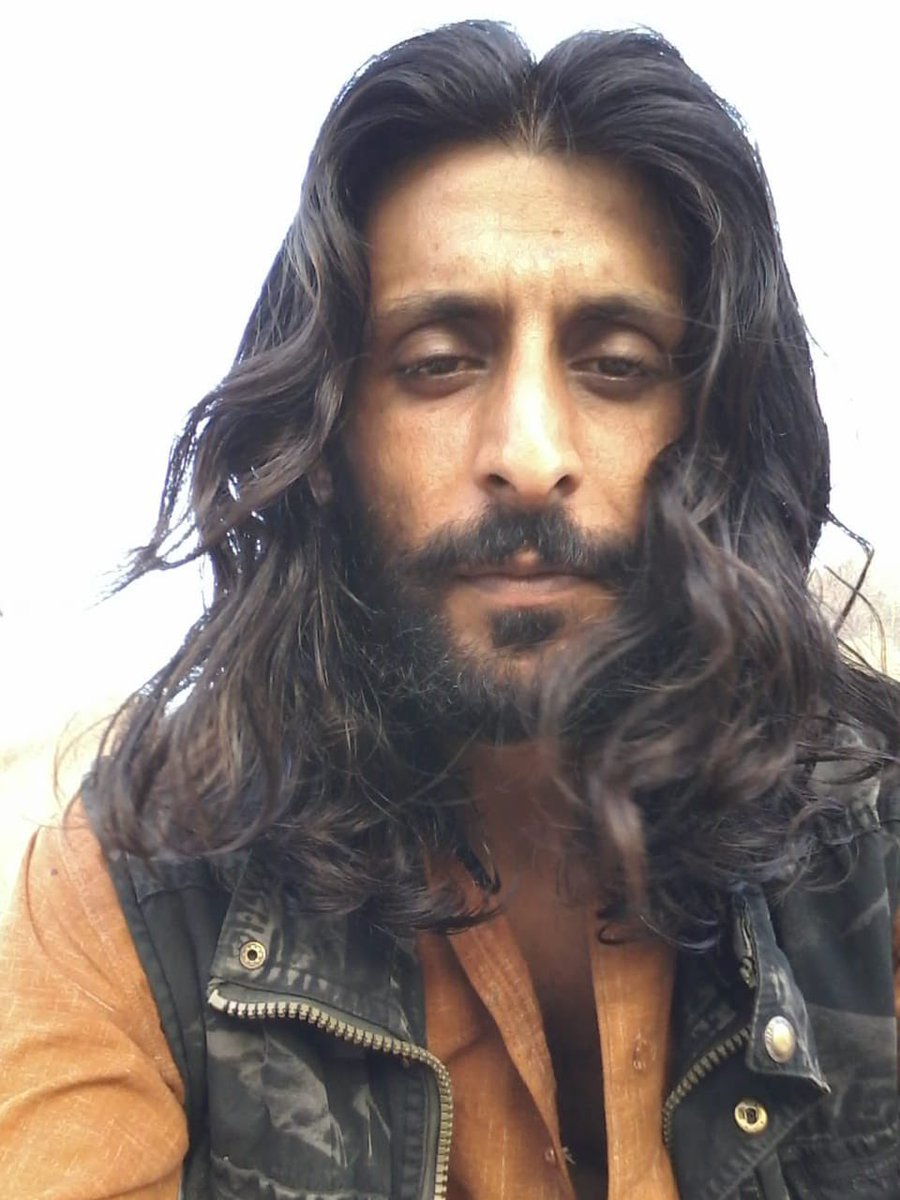
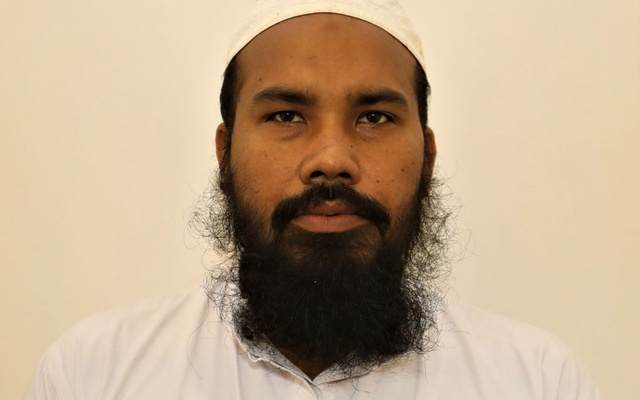
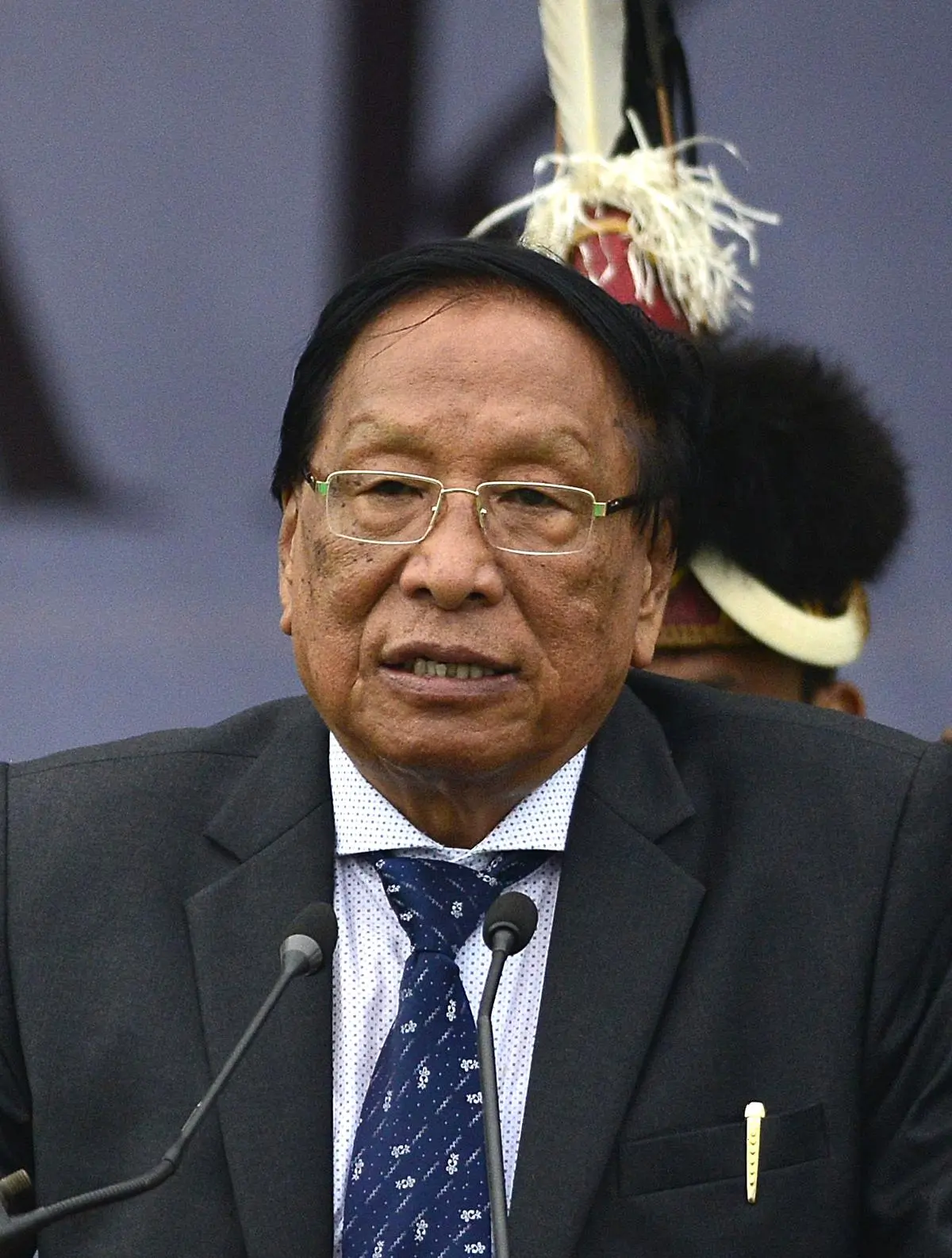
A Post-Mortem Analysis of ISKP’s Shaikh Jalaluddin
A Post-Mortem Analysis of ISKP’s Shaikh Jalaluddin
On August 16, Islamic State in Khorasan Province (ISKP) published the seventh issue of its Pashto language magazine Khurasan Ghag (Twitter/TheKhorasanDiary, August 16, 2022). Like previous releases, this one was circulated by the Al-Azaim Foundation, which is the ISKP media mouthpiece in the broader South and Central Asia region, and is in charge of disseminating ISKP propaganda online (Terrorism Monitor, December 16, 2021). Khurasan Ghag is a fairly new publication that was first circulated in May 2022 and usually addresses topics related to Afghanistan. Khurasan Ghag also focuses on stories that disparage the Taliban, while regularly narrating biographies of ISKP militants in an almost hagiographical tone (Terrorism Monitor, June 16, 2022). Among these biographies, the seventh issue featured the story of a prominent ISKP Salafist scholar Shaikh Abu Abdullah Jalaluddin, who was an ISKP mufti. Shaikh Jalaluddin only held this role for a short time before he died in a US drone strike in October 2015. Nevertheless, he was an inspirational figure for ISKP members (Afghan Islamic Press, October 14, 2015).
Before the release of Khurasan Ghag’s official biography, the most detailed account of Shaikh Jalaluddin’s life was written by ISKP supporter and writer, Abu Ali Ikrimah al-Ansari, on his Facebook page. [1] While not an official biography, the text provided unique information about where Shaikh Jalaluddin studied and about his teachers and role in ISKP. By comparing the two al-Ansari and Khurasan Ghag biographies, it is possible to draw a picture of one of the most influential propagandists of ISKP.
The information published by the ISKP outlet is significant as it is a testimony to the idea that ISKP ideology is firmly linked to local ideologues from Afghanistan and Pakistan rather than only referring to Islamic State (IS)’s Syrian and Iraqi religious figures. It is important to study Shaikh Jalaluddin’s biography—as well as those of others ISKP prominent figures—in order to understand how ISKP is actively shaping its own history as an influential jihadist entity in the broader South and Central Asia regions by circulating these biographies.
Shaikh Jalaluddin’s Biography
The narrator of Shaikh Jalaluddin’s story starts by describing a meeting which took place in Mohmand Dara area between a group of ISKP militants, including ISKP Wali (“Governor”) Hafiz Saeed Khan, prominent commander Saad Emirati, and Shaikh Jalaluddin himself. The narrator claims that Jalaluddin’s father was from Kunar and fought in the anti-Soviet jihad in the 1980s, although he later fled to Bajaur and then to the Tarbella area in the Swabi district of Khyber Pakhtunkhwa. This was where Jalaluddin, the fourth son, was born in 1991. One of Jalaluddin’s elder brothers was Shaikh Mujahid, a renowned scholar who studied in Karachi’s Abu Bakr Madrassa and then in Gujranwala’s Muhammadi Madrassa. Mujahid followed Jalaluddin in Afghanistan for two months after Jalaluddin pledged allegiance to Hafiz Saeed, where he also met Abu Umar Khorasani. The same Khorasani later became the future fourth Wali of ISKP but was killed by Taliban fighters in August 2021 when they stormed Bagram prison (BBC Urdu, August 24, 2021; The Khorasan Diary, July 31, 2022).
Jalaluddin went to study at the Salafist madrassa of Satyana Bangla in Faisalabad, Punjab before moving to Peshawar, where he continued his studies in a “famous Salafist madrassa,” which, according to the biography of Abu Ali Ikrimah al-Ansari, was the prominent al-Qaeda-linked Ganj Madrassa of Shaikh Aminullah Peshawari (UrduVoa, August 21, 2013). Al-Ansari also narrated that Jalaluddin studied in Bada Beera in Sifan, Peshawar in the mosque established by famous Salafist scholar Shaikh Abdul Salam Rustami. He was allegedly a student of Shaikh Aminullah Peshawari; Shaikh Abdul Salam Rustami; Shaikh Ghulamullah Rahmati; Shaikh Abu Ammar Samiullah; and Shaikh Abdul Manan Noorpoori.
Khurasan Ghag’s narrator argues that Jalaluddin stood out for his anti-Shia and sectarian propaganda as well as for his harsh criticisms of democracy and elections. Videos of him debating with Hanafi scholars attest to the accuracy of this claim (Terrorism Monitor, November 20, 2020). Jalaluddin further issued a fatwa in favor of jihad and traveling to Afghanistan to fight the US. While in Pakistan he helped militants hide their weapons. He was also a mentor to some al-Qaeda members and had a deep connection to fighters from Tunisia and Russia.
Jalaluddin’s Joining ISKP
When the Islamic caliphate was officially declared by Abu Bakr al-Baghdadi in Mosul in June 2014, Jalaluddin proselytized in favor of IS. He, for example, encouraged his students to travel to the Middle East to join the group. When ISKP was announced as a new IS province in January 2015, he immediately joined through his contact, disgruntled Salafist Afghan Taliban commander and deputy Wali (governor) of ISKP, Abdur Rauf Khadem. Abdur Rauf Khadem was from Helmand, and was killed in February 2015 in a US drone strike (Jihadology, March 17, 2015). As Pakistani intelligence was after Jalaluddin, he fled to Afghanistan, where he pledged allegiance to Hafiz Saeed and met the future second Wali of ISKP, Abdul Haseeb Logari, who, according to Abu Ali Ikrimah al-Ansari’s biography, became a student of Jalaluddin. He was also eulogized by IS in its al-Naba newsletter [2]. It was during this first meeting with Hafiz Saeed that Jalaluddin recorded his video, “The Promised Caliphate”, which was a 50-minute-long monologue broadcast by IS where he accused the Taliban of being funded by apostate governments and of avoiding targeting “temples” and “shrines” of the “polytheists” in order to not anger foreign states (Jihadology, September 12, 2015).
Al-Ansari in his biography provided additional details on Jalaluddin’s role in ISKP. According to him, Jalaluddin was in charge of the Ministry of Commanding the Good and Forbidding the Evil, with five sub-departments under his command. His appointment to the position is confirmed by the article in Khurasan Ghag as well. Jalaluddin settled some important judicial cases on the orders of Hafiz Saeed and dedicated effort to recruiting new militants for ISKP. Jalaluddin helped to establish Khurasan Ghag Radio, which became the official broadcast channel of ISKP. However, he allegedly died before it began broadcasting. Jalaluddin actively participated in inspiring fighters in battle, traveling to Kot, Adalkhel, Mamand, Gorgori to deliver sermons to combat units.
Conclusion
Jalaluddin was killed in a US drone strike in the area of Mamand Achin while he was travelling in his car together with four other men, including his brother Mujahid. After the death of him and his brother, his younger brother, Zia ul Islam (Khalid), migrated from Peshawar to join ISKP. Khalid was a religious scholar and participated in the activities of the group’s communication and military branch, and fought against the Taliban and US offensives in Nangarhar in 2019. Khalid ultimately died of wounds received during these battles.
Jalaluddin’s case, therefore, represents an entire generation of jihad within a single family. He is considered a jihadi hero by ISKP militants, an important religious scholar, a commander, and a charismatic figure. Jalaluddin also left behind many sermons and speeches for ISKP, which the group still widely shares on social media, including on Khurasan Ghag Radio. His captivating voice and inflammatory speeches, now coupled with an official and widespread account of his life, provide ISKP with a potent tool for attracting new recruits from the Salafist community.
Riccardo Valle holds a Master’s degree in diplomacy and international relations from University of Trieste, Italy, and he is now an independent researcher focused on violent Islamism in the Af-Pak region.
Iftikhar Firdous is a former editor and freelance journalist covering terrorism and militancy in South Asia.
Notes:
[1] A link to his Facebook page no longer accessible; the old link was: https://www.facebook.com/usmanswati1015/photos/412402233547873. [2] Al-Naba. “al-sheykh al-mujahid abd al-hasib al-lujri [Sheikh mujahid Abdul Haseeb Logari]”, al-Naba Issue 189 (July 2019).