Abdul Rehman Makki: the Leader of Pakistani Militant Group Jamat-ud-Dawa
Abdul Rehman Makki: the Leader of Pakistani Militant Group Jamat-ud-Dawa
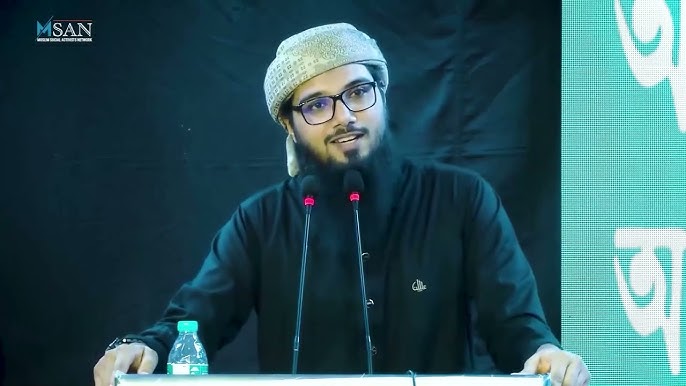
Hafiz Abdul Rehman Makki is the leader of the Pakistani-based militant group, Jamaat-ud-Dawa (JuD). The 74-year-old Makki is a U.S-designated terrorist and, under its Rewards for Justice program, the U.S has announced a reward of up to $2 million for information on Makki (Reward for Justice, June 17). JuD is the charity and political arm of Lashkar-e-Taiba (LeT), which is also a U.S-designated Foreign Terrorist Organisation (FTO). In addition, at the United Nations meeting on June 17, the U.S and India proposed to designate Makki as a global terrorist. China, Pakistan’s close ally, put a hold on that in communications with the UN Security Council’s ISIL and Al-Qaeda Sanctions Committee (Economic Times, June 18).
Life and Career
Born in 1948 in the Bahawalpur district of Pakistan’s Punjab province, Makki is the brother-in-law of Hafiz Saeed, the leader of LeT. Makki joined LeT in 1990, and later had a son who also joined the organization and was killed in Bandipora district of India-administered Kashmir during a clash with Indian security forces in November 2017 (Asiana Times, June 18; DNA India, November 19, 2017). He then served within LeT as the head of its foreign relations department (Economic Times, June 18).
He further served as an instructor at the Islamic University of Madinah in Saudi Arabia, where he taught Islamic studies. During his tenure, he often declared that fedayeen (martyrdom) operations were not, in fact, “suicide” attacks. While in Saudi Arabia in 2004, Makki also released a book titled “Showing How Fedayeen Operations are not Suicide Attacks” (Asiana Times, June 18).
In 2016, the appointment of Makki as foreign affairs head and second-in-command in LeT by Hafiz Saeed raised eyebrows within the party because there were other senior and founding members who could have been appointed to the position (Outlook India, February 3). In these capacities, Makki raised funds for the group’s operations, recruited and radicalized youth, and planned terrorist attacks inside India, particularly in Jammu and Kashmir (Asianet News, June 17).
Indian Allegations
Indian authorities allege that Makki has been backing the insurgency in Kashmir since the early 1990s and that he played a key role in planning suicide attacks on targets in Kashmir (The Print, May 20, 2019). In 2012, India’s security and intelligence authorities alleged that Makki was very close to Taliban supreme commander Mullah Omar, and al-Qaeda leader, Ayman al-Zawahiri. According to Indian authorities, Makki took part in several meetings in which the leadership of the Taliban and al-Qaeda planned attacks on India’s interests in Afghanistan (Times of India , April 5, 2012).
Along with Hafiz Saeed, Makki is also believed to be one of the masterminds behind the 2008 Mumbai attack which left 166 people dead in the financial epicenter (Fandom, June 17). Today, the attack is considered the deadliest act of terror in Indian history (Indian Express, November 26, 2021). Two years later in 2010, a bomb blast at a German Bakery in the Indian city of Pune killed nine people, including four foreigners and injuring at least 50 people (One India, February 14, 2010).
The Indian authorities accused Makki of foreshadowing the blast 10 days before it occurred in a speech. On February 4, 2010, for example, Makki delivered an anti-India speech at the Kashmir Solidarity Day conference held in Muzaffarabad in Pakistan-administered Kashmir. There, he mentioned forthcoming attacks on Indian cities, including in Pune, and stated the mujahedeen “will teach India a lesson” (NDTV, February 15, 2010).
Conclusion
In May 2019, Makki was finally arrested by Pakistani authorities as a result of his speeches, amid a crackdown against proscribed groups (SuchTV, May 15, 2019). He was then kept under house arrest in Lahore and, in 2020, was tried and convicted by a Pakistani court in a terrorism financing case and sent to jail. Last year, in 2021, Makki was given a six-month jail term by a Pakistani court in a terror financing case (Dawn, November 7, 2021). Finally, in April 2022, an anti-terrorism court in a Lahore, Pakistani court sentenced him to another six-month imprisonment (Express Tribune, April 8)
At the same time, Pakistani authorities have been asking India for solid evidence against Makki for his involvement in terrorism activity in Jammu and Kashmir, instead of only allegations. However, the reality is that there is not a single militancy-related case registered against Makki in Jammu and Kashmir (The Print, May 20, 2019). Makki nevertheless has been facing trial and imprisonment over terrorism-related charges in Pakistani courts for the last three years. Indeed, bringing all militant leaders, including Makki, to justice in Pakistan through a fair trial will not only help improve Pakistan’s image in the world community, but may also discourage other militants from becoming involved in terrorist activities inside or outside of the country.