Abu Hajar al-Hashemi: The Islamic State’s “Governor” of Sinai
Abu Hajar al-Hashemi: The Islamic State’s “Governor” of Sinai
Wilayat Sinai’s Operations in the Sinai Peninsula
Militant Islamist violence in the Sinai Peninsula has increased significantly since 2013, with the Egyptian affiliate of Islamic State (IS), Wilayat Sinai, carrying out multiple attacks. Notably, the group downed a Russian passenger aircraft in October 2015, killing 224 people, and, in November 2017, it launched an assault on a Sufi mosque in Bir al-Abed, North Sinai. The latter proved to be the deadliest ever attack in Egypt (Haaretz, November 25, 2017).
Meanwhile, the Egyptian military’s aggressive counterinsurgency tactics have heightened local resentment toward Cairo. Comprehensive Operation Sinai, launched in February 2018, involved the displacement of thousands of civilians living in the region and contributed to longstanding tensions between local tribes and security services. Wilayat Sinai has been able to capitalize on such tensions to increase support for its insurgency. Local economic issues, such as widespread poverty and unemployment, have at the same time continued to drive support for jihadists. Wilayat Sinai fighters in the North Sinai governorate have also traditionally come from local tribes and as such have extensive roots in nearby communities, making it more difficult for the government to uproot them.
Abu Hajar al-Hashemi’s Leadership
Both the leadership and the lower ranks of Wilayat Sinai are typically filled with mainland Egyptians and Bedouins, although more specific details about its leadership are hard to come by, particularly as Egyptian security services purposely avoid disclosing them.
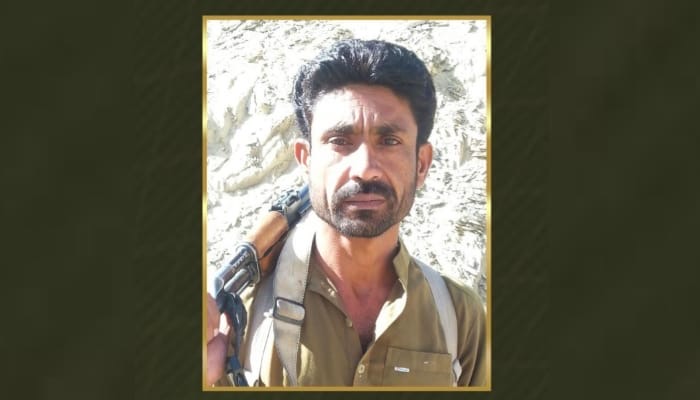
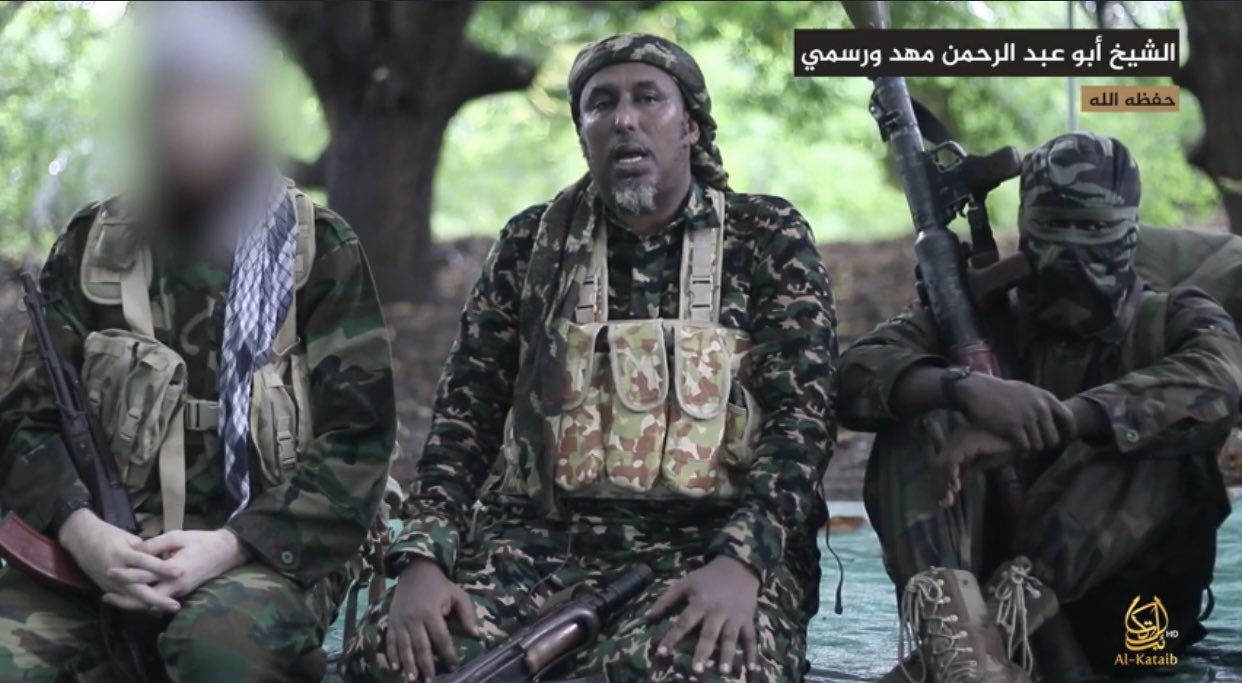
IS weekly al-Nabaa in December 2016 published news of the death of Wilayat Sinai’s former leader Abu Duaa al-Ansari (an Egyptian national) in an airstrike, while announcing his replacement as Abu Hajar al-Hashemi, a foreign national (Jerusalem Post, January 28, 2018). IS media has since referred to al-Hashemi as the “governor” of the caliphate’s Sinai Province. Al-Hashemi is believed to be a former Iraqi army officer who was previously affiliated with the jihadist group Jama’at al-Tawhid wal-Jihad, founded in 1999 by the Jordanian Abu Musab al-Zarqawi (Egypt Today, November 30, 2017).
Al-Hashemi gave an interview that appeared in the December 2016 edition of al-Nabaa, in which he attacked Cairo’s military campaign in Sinai and directly addressed Sinai residents. “We tell [the apostates]: blood for blood, destruction for destruction,” he said. “[We give our] necks for your necks. [We swear that] so long as there is blood in our veins, the apostates [Egyptian security forces] will not reach you.” He also appeared to dismiss the notion that the local population would work with Egyptian security forces to drive Wilayat Sinai out of the peninsula, stressing the noble qualities of tribesmen and stating that the few individuals who did cooperate with the Egyptian military would be quickly “plucked out”. [1]
Al-Hashemi’s leadership has, however, strained ties between Wilayat Sinai and the local population. An increase in foreign members—including al-Hashemi himself, as well as defectors from the Izzedin al-Kassam brigades, the armed wing of Hamas—has threatened to undermine the organization’s longstanding ties with the local community and tribes (Jerusalem Post, January 28, 2018). Under al-Hashemi’s leadership, the group has also increased its targeting of civilians. The group often executes local residents on charges of collaborating with Egyptian or Israeli intelligence services. For instance, Wilayat Sinai executed four individuals in the town of Bir al-Abd, in North Sinai, in July 2019 for alleged cooperation with the Egyptian security services (Algemeiner, July 18, 2019). Meanwhile, Wilayat Sinai’s opposition to Bedouin smuggling operations—on the grounds of being contrary to Sharia law—has led to executions of local tribesmen. Indeed, militants kidnapped and later beheaded four Bedouins in the Rafah area in May 2017. (Jerusalem Center for Public Affairs, May 29, 2017).
Moreover, Egyptian security forces named al-Hashemi as the “main perpetrator” of the 2017 attack on the Al-Rawdah Sufi mosque that killed around 300 people (Egypt Today, November 30, 2017). This attack in particular alienated the Bedouins of the al-Tarbiyeen tribe—the largest on the Peninsula—who had helped Wilayat Sinai militants in the past, offering them information and even sanctuary. There is evidence that Wilayat Sinai has sought to de-escalate some of these tensions: in the North Sinai city of Rafah, for instance, the group has distributed leaflets moderating its hostility to the al-Tarbiyeen, saying that it was only in conflict with a “small disloyal portion” of the tribe.
Conclusion
While such moves may reduce tensions with ordinary tribal members, the Egyptian government will continue to successfully co-opt some key tribal leaders and their followers, which will limit al-Hashemi’s ambitions to expand in the region. That said, Cairo is unlikely to significantly overhaul its approach to the Sinai insurgency — for instance, through addressing socioeconomic grievances or softening its military-led approach. This will fuel continued support for Wilayat Sinai’s insurgency in Sinai under al-Hashemi.
Going forward, al-Hashemi is also likely to prioritize attacks on Israeli targets, including pipeline infrastructure, following a call by IS spokesperson Abu Hamza al-Qurashi in January for the group’s supporters to target Jewish interests (Jerusalem Post, January 28). Al-Hashemi previously warned, in 2016, “we are getting closer to the [Israeli] border every day,” highlighting the group’s longstanding attempts to target Israel, in order to raise its profile and strengthen its political position (Times of Israel, December 22, 2016).
Notes
[1] al-Nabaa 60, December 12, 2016