Al-Tajouri, Al-Kani, Badi and Trabelsi: The Militia Leaders Fighting for Tripoli
Al-Tajouri, Al-Kani, Badi and Trabelsi: The Militia Leaders Fighting for Tripoli
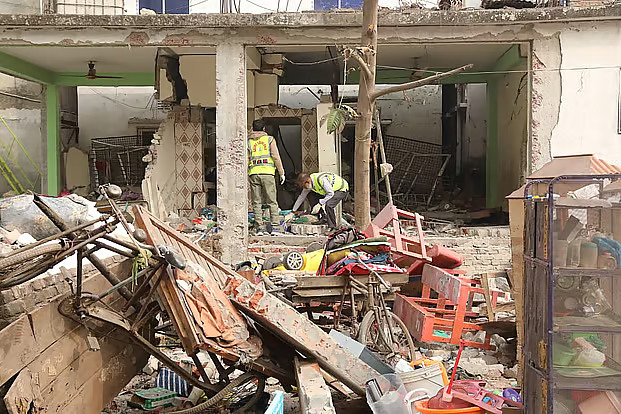
On September 25, the Tripoli Security Directorate announced the end of fighting in the Libyan capital Tripoli (Libya Observer, Sept 26, 2018). This declaration comes after almost a month of fierce clashes that left around 117 people dead and 560 others wounded (Libya Observer, Sept 27, 2018). The conflict involved the Seventh Brigade from the town of Tarhouna and two of the most important Tripoli-based militias, the Tripoli Revolutionaries’ Brigades (TBR) and the Nawasi.
The TBR, also known as the First Security Division of the Central General Security Administration (CGSA), is headed by Haithem al-Tajouri. Considered the most powerful militia leader in Tripoli, he had to return from his Hijra in Saudi Arabia due to the fighting (The National, August 29). The TBR headquarters is located in al-Shat, in the area of Abu Sittah, near the Tripoli Corniche. Al-Tajouri is not known for having any particular ideological orientation. Over the past few years, the group has strengthened its presence throughout the entire city and has gained significant control of its economy. For instance, the CGSA gave al-Tajouri the mandate to protect the port of Tripoli in February 2017, which is an essential asset for business in Tripoli and Libya. The group also maintains significant control over the branches of local banks and the financial operators in Tripoli (Middle East Eye, April 10, 2017). The Nawasi Brigade, also known as the Eighth Brigade, is run by members of the Qaddur family and has a more Islamist outlook. Strongly opposed to the radical version of the Salafism of the Islamic State (IS), on the one hand, and Khalifa Haftar, the leader of the eastern-based Libyan National Army (LNA), on the other, they maintain a significant presence in Northern and Western areas of Tripoli.
The Seventh Brigade is also known as the Kanyat or the Kani Brigade, as the al-Kani family heads it. The eldest of the four al-Kani brothers, Mohammed al-Kani, is the formal leader. The Kanyat became part of the forces associated with the Government of National Accord (GNA), the United Nations-backed government of Libya, in 2017. Interestingly enough, the Kanyat has often worked together with the TBR and the other Tripoli militias. For instance, back in October 2017, the Kanyat backed the TBR and the Misratan forces of the Halbous’s 301 Brigade in a military operation in the areas of Qasir Ben Ghashir, Sayah and Wadi Rabe. This action was aimed at eliminating an armed group loyal to former Libyan dictator Qaddafi, led by Salah Al-Marghani and Mabrouk Qaddafi. (Libya Observer, Oct 4, 2017). The Kanyat justified its actions by proclaiming its ambition of freeing Tripoli and its people from gangs looting public money in the city ( Al-Arabiya, Sept 3, 2018).
However, the recent eruption of violence pitting this militia against the TBR and the NB is not the symptom of a new, widening conflict in Tripoli, or of the new importance of local militias in running Tripoli’s affairs. Since the establishment of the GNA, Tripoli’s militias have progressively and steadily increased their influence, becoming the actual kingmakers of the city. As such, it is not uncommon—and will happen again—that militias formally belonging to the same alliance can clash suddenly, in many cases over local and material issues. The rising tension between the Tarhouna-based Seventh Brigade and the TBR and the NB created the opportunity for the many rivals of Sarraj and the Tripoli militias to try exploiting the situation. Salah Badi and Khalifa Haftar are prime examples of this.
Allegedly, Badi’s forces provided most of the weaponry used by the Seventh Brigade in their bid to enter Tripoli. The al-Kani decision to strike an alliance with Badi brought the GNA to dismiss the Seventh Brigade from its forces. Badi is the leader of the Jabhat al-Samud (the Steadfastness Front), initially also known as the Libya Dawn Mark-2. The Misratan Badi is one of the closest militia leaders to Khalifa Ghwell, the Prime Minister of the Libyan National Salvation Government. Badi is a former officer of Qaddafi’s army but was later imprisoned as a dissident. He then led Misrata militias in the victory against loyalist forces and was elected to the General National Congress in the July 2012 elections, but resigned in 2014. He has been a fierce enemy of Sarraj since his appointment, often claiming that his major and final ambition was to kick Sarraj and the GNA out of Tripoli (Afrigate News, Feb 21, 2017).
Badi’s support for the Kanyat is a further demonstration that groups in Misrata remain divided. Some of the militias back Sarraj, some others work directly with Tripoli’s militias, while some want to return to Tripoli to fight against the militias currently in charge of the city.
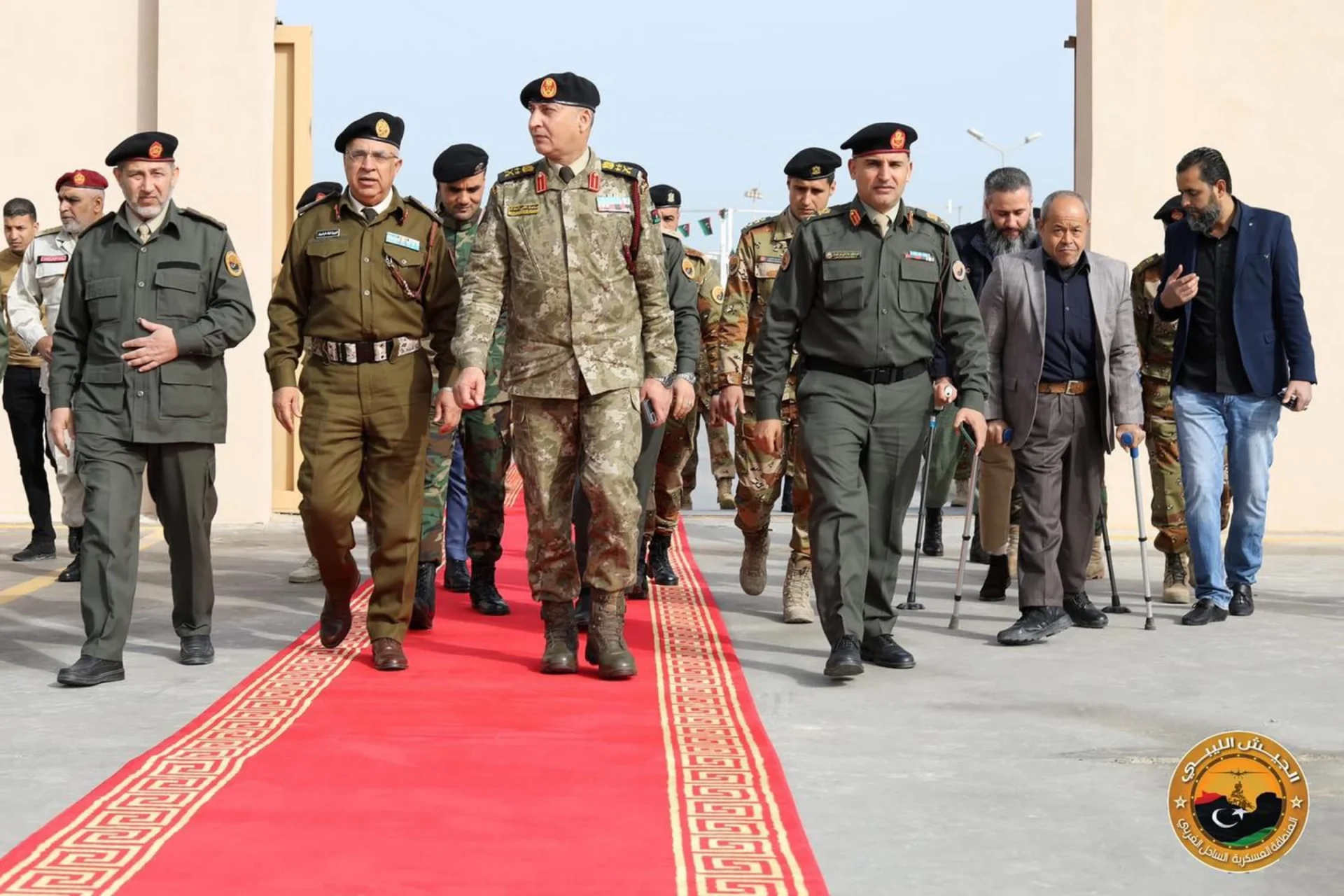
In the wake of this eruption of violence, Haftar announced that forces belonging to his LNA were not involved in the clashes and threatened—once again—to enter Tripoli to enforce security. However, despite his rhetoric as possible “National Savior,” the role of Haftar remains geographically limited. He still has the ambition of becoming more relevant in Tripoli and the west of Libya, but this ambition clashes with the reality on the ground. His strategy of penetrating the south of Libya, and from there moving to Tripoli, suffered a significant blow in May 2017 when Haftar lost 141 soldiers in an ambush at the Brak al-Shatt airbase (see TM, June 2, 2017; Libya Herald, May 18, 2017; Al-Jazeera, May 20, 2017). Since then, his role has remained limited to dominating the east of the country and the Sirte Basin, the so-called Oil Crescent, but with a rather limited national political autonomy, as exemplified by the failure to sell oil through the eastern NOC after Haftar regained control of two oil terminals (Libya Observer, July 11, 2018). The appointment of Emad Trabelsi, leader of al-Sawaiq brigade and considered close to Haftar, as chief of the General Security Service in Tripoli did not change the actual balance of power in the city (Libya Observer, July 9, 2018). Interestingly, on social media, Haftar’s loyalists have supported the Kani/Badi operation, despite the historical – and profound – rivalry existing between Badi and Haftar. Badi was among the most important backers of the Political Isolation law, one of the triggers of the civil war in 2014 and a law which Haftar staunchly opposes. Badi himself remains one of the fiercest enemies of Haftar.
The latest eruption of violence in Tripoli represents nothing new. Although the numbers of casualties is particularly significant, the sudden outbreak of clashes between militias is a common feature of the Tripoli’s security environment since 2014. Since 2016, the enlargement of a group of local militias’ territory has often triggered the reaction of other groups who feel excluded or who want to return to Tripoli. Against this volatile background, the militias’ leaders have a fundamental role, as no effective, superior authority can bind them together. They enjoy significant freedom of action. As such, their will is often decisive in shaping the security dynamics on the ground, and they will remain a significant variable in defying the future of Libya.