Aliyev and Pashinyan Jointly Receive Peace Award in Abu Dhabi
Aliyev and Pashinyan Jointly Receive Peace Award in Abu Dhabi
Executive Summary:
- Azerbaijani President Ilham Aliyev and Armenian President Nikol Pashinyan jointly received the Zayed Award for Human Fraternity in Abu Dhabi, signaling international recognition of the rapid pace of their peace progress and a shared commitment to normalization.
- Baku lifted transit restrictions, routine cargo shipments now cross its territory to Armenia, and bilateral trade has begun through Azerbaijani petroleum exports and exchanged goods lists.
- The Armenia–Azerbaijan peace process is entering a phase centered on consolidation rather than negotiation alone through trade, transit, and energy cooperation.
On February 4, Azerbaijani President Ilham Aliyev and Armenian Prime Minister Nikol Pashinyan attended the Zayed Award for Human Fraternity ceremony in Abu Dhabi. United Arab Emirates President Sheikh Mohamed bin Zayed Al Nahyan hosted the ceremony, at which Aliyev and Pahsinyan were jointly honored for taking steps to end decades of conflict between their countries and advancing the normalization of relations (YouTube/@ZayedAwardforHumanFraternity, February 4). The presentation of the award marked recognition of progress achieved in the peace process and reflected the steps taken since the U.S.-mediated Washington Summit in August 2025, where the two South Caucasian leaders overcame some obstacles on the path toward peace (see EDM, August 9, 2025).
At the award ceremony, Aliyev highlighted the tangible outcomes of peace. He stated:
These six months [since the Washington summit] have been very important for the development of our relations. We not only lifted the restrictions on cargo transportation through Azerbaijan to Armenia but also started exporting oil products to Armenia. In other words, during these six months, we have started cooperation. We are now increasing our trade relationship (President of Azerbaijan, February 4).
Speaking at the ceremony, Pashinyan noted that only a few years ago, it would have been unimaginable for the leaders of Azerbaijan and Armenia to receive such a distinguished award together. He emphasized that the joint presentation of the prize serves as a clear signal that both countries have moved beyond the conflict and are committed to a new chapter of peaceful cooperation (YouTube/@ZayedAwardforHumanFraternity, February 4).
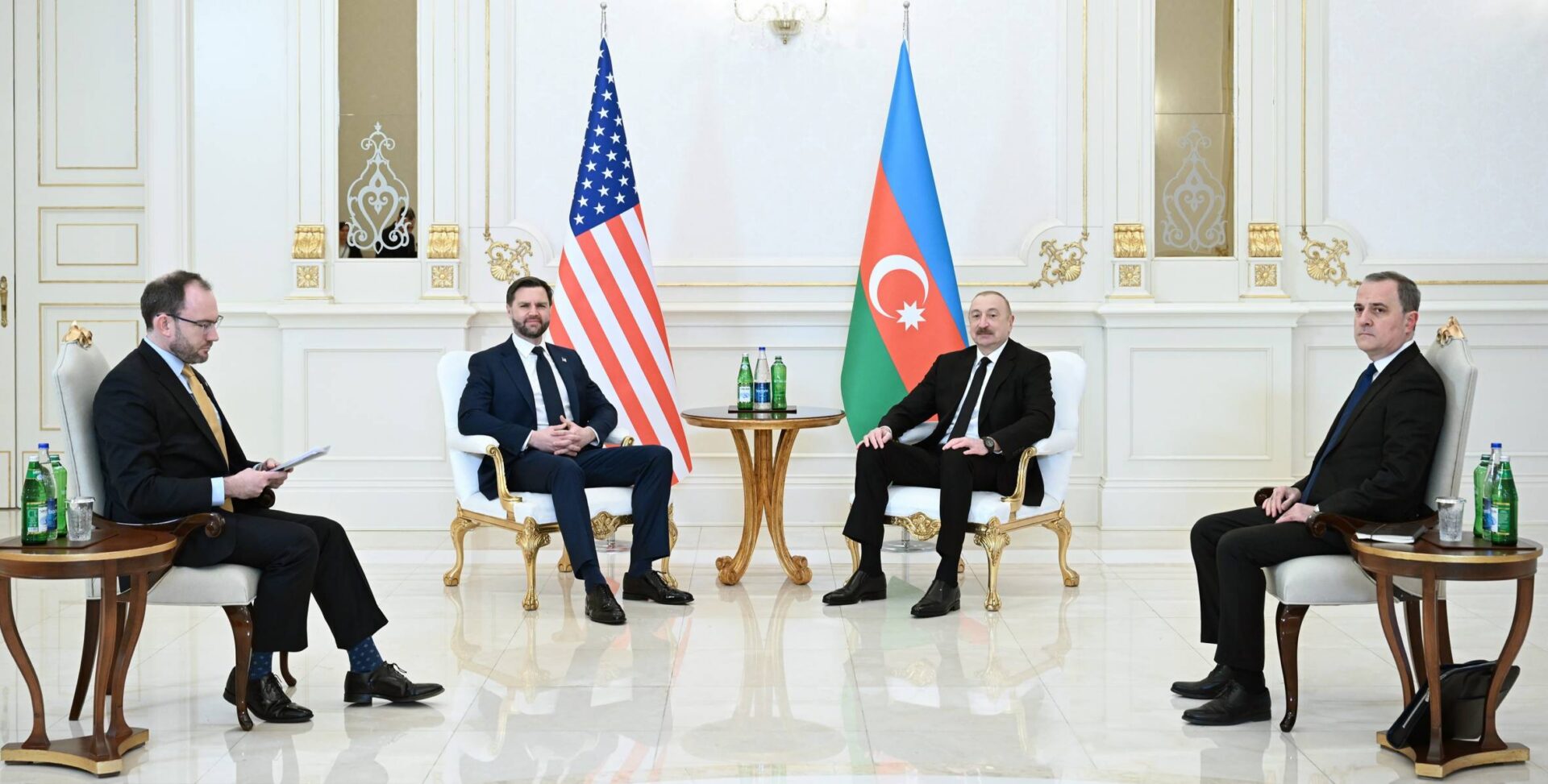
On the margins of the ceremony, the two leaders also held a bilateral meeting, during which they reviewed the implementation of existing agreements and discussed next steps in the normalization process (President of Azerbaijan, February 4). Both sides reaffirmed their commitment to continuing normalization through direct contacts and agreed to maintain regular communication in support of the agreement’s implementation. The meeting took place amid ongoing practical measures to restore transport and economic links between the two countries. Since October 2025, Azerbaijan has lifted restrictions on cargo transit through its territory to Armenia, enabling the regular movement of goods from third countries (see EDM, November 6, 2025).
The shipment of various types of cargo from third countries to Armenia via Azerbaijan is no longer exceptional. It has become routine rather than dependent on ad hoc arrangements. On February 4, eight rail wagons carrying 560 tons of Russian grain were dispatched to Armenia via Azerbaijani territory along the Russia–Azerbaijan–Armenia route. Including this shipment, the total volume of Russian grain transported to Armenia through Azerbaijan has exceeded 20,000 tons (Report.az, February 4). Earlier shipments have also included grain originating from Kazakhstan (Report.az, November 6, 2025). In mid-January, Armenia reported that it will soon start importing liquified natural gas (LNG) from Russia via Azerbaijan by rail (TASS, January 20).
Bilateral trade has also begun to develop. Since December 2025, Azerbaijan has supplied Armenia with domestically produced petroleum products. Official figures indicate that a total of 4,897 tons of oil products have been delivered since December 2025, including AI-95 gasoline, AI-92 gasoline, and diesel fuel (Caspian News, February 4).
Further steps toward formalizing trade relations were announced on February 6, when Armenian Minister of Economy Gevorg Papoyan stated that Armenia and Azerbaijan had exchanged lists of goods intended for future bilateral trade. According to Papoyan, feedback from relevant economic actors is expected following the exchange (APA, February 3).
One of the most consequential areas discussed in the context of normalization has been energy cooperation. Pashinyan publicly confirmed that the potential interconnection of the Armenian and Azerbaijani electricity systems has been discussed at the leadership level and reflected in framework documents signed between Armenia and the United States (Sputnik Armenia, January 21). Integrating the two electricity systems would enable both countries to connect to third-country networks that transit their territories.
Work in this direction has already begun. In late January, it was reported that Azerbaijan had started construction of a major high-voltage electricity transmission project along the Trump Route for International Peace and Prosperity (TRIPP), also known as the Zangezur corridor (APA, January 29). The project envisions transferring electricity from mainland Azerbaijan to the Nakhchivan exclave, which has been disconnected from Azerbaijan’s electricity grid since the early 1990s. The transmission line forms an integral component of the broader TRIPP framework, which seeks to restore east–west connectivity across the South Caucasus by linking transport, energy, and communications infrastructure along a unified corridor.
The energy component is designed not only to supply Nakhchivan reliably but also to create a physical foundation for regional electricity trade (AzerEnerji, January 29). Armenian officials have indicated that a high-voltage electricity link along the TRIPP could be implemented more rapidly than large-scale rail infrastructure projects along the corridor, making energy cooperation a practical early component of the broader normalization agenda (Azernews, January 29).
In parallel, Azerbaijan is planning a 230-kilometer (143-mile), 400-kilovolt transmission line from Nakhchivan to Türkiye, including a converter substation designed to meet European technical standards (AzerEnerji, January 29). Taken together, these projects constitute the first steps toward building a more integrated energy system in the South Caucasus.
In Abu Dhabi, the leaders also addressed confidence-building measures, including reciprocal visits by representatives of civil society, and agreed to continue such contacts alongside political and economic engagement. These exchanges are intended to complement the formal diplomatic process and support the gradual normalization of relations at the societal level following decades of separation and mutual distrust.
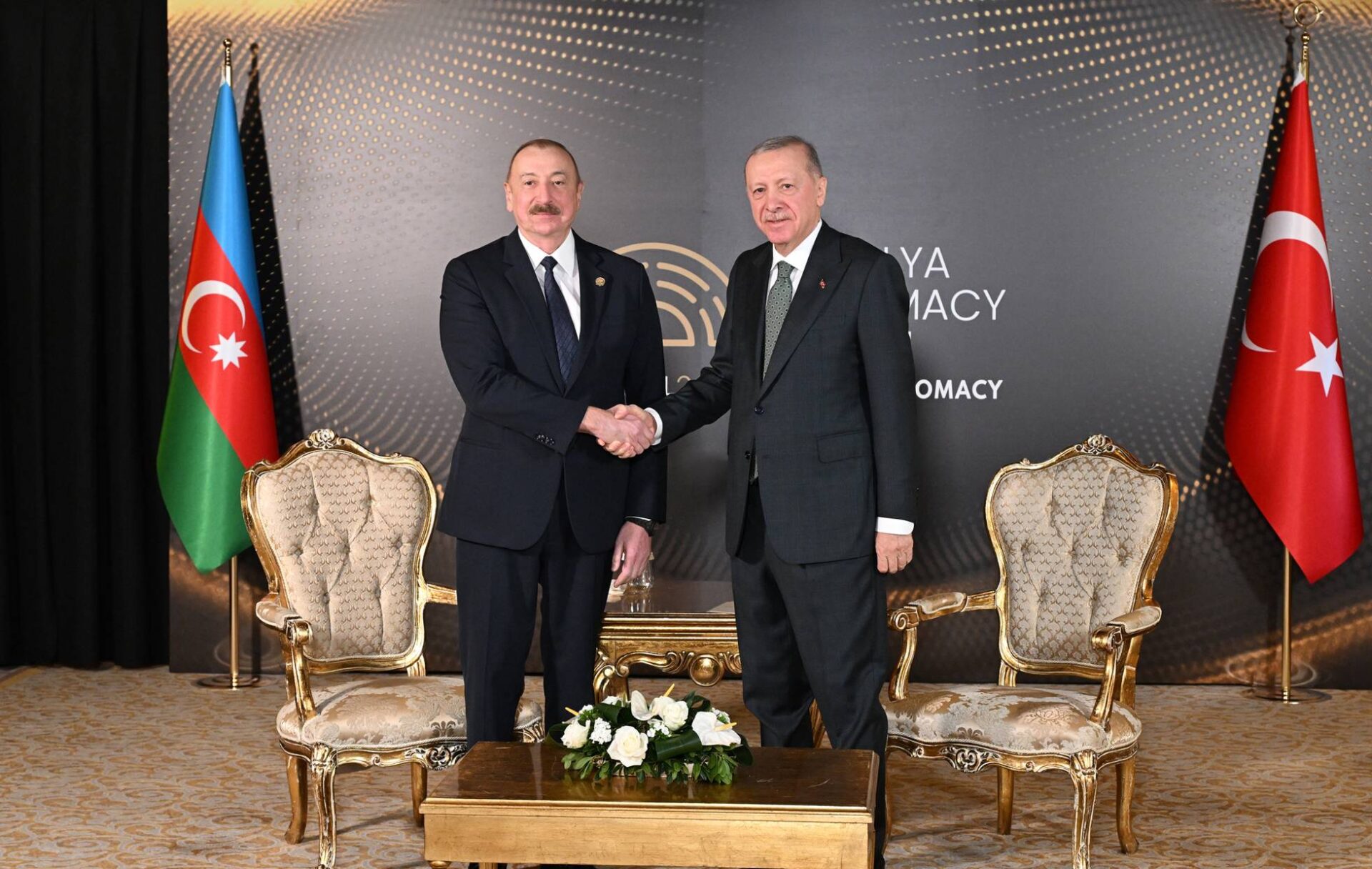
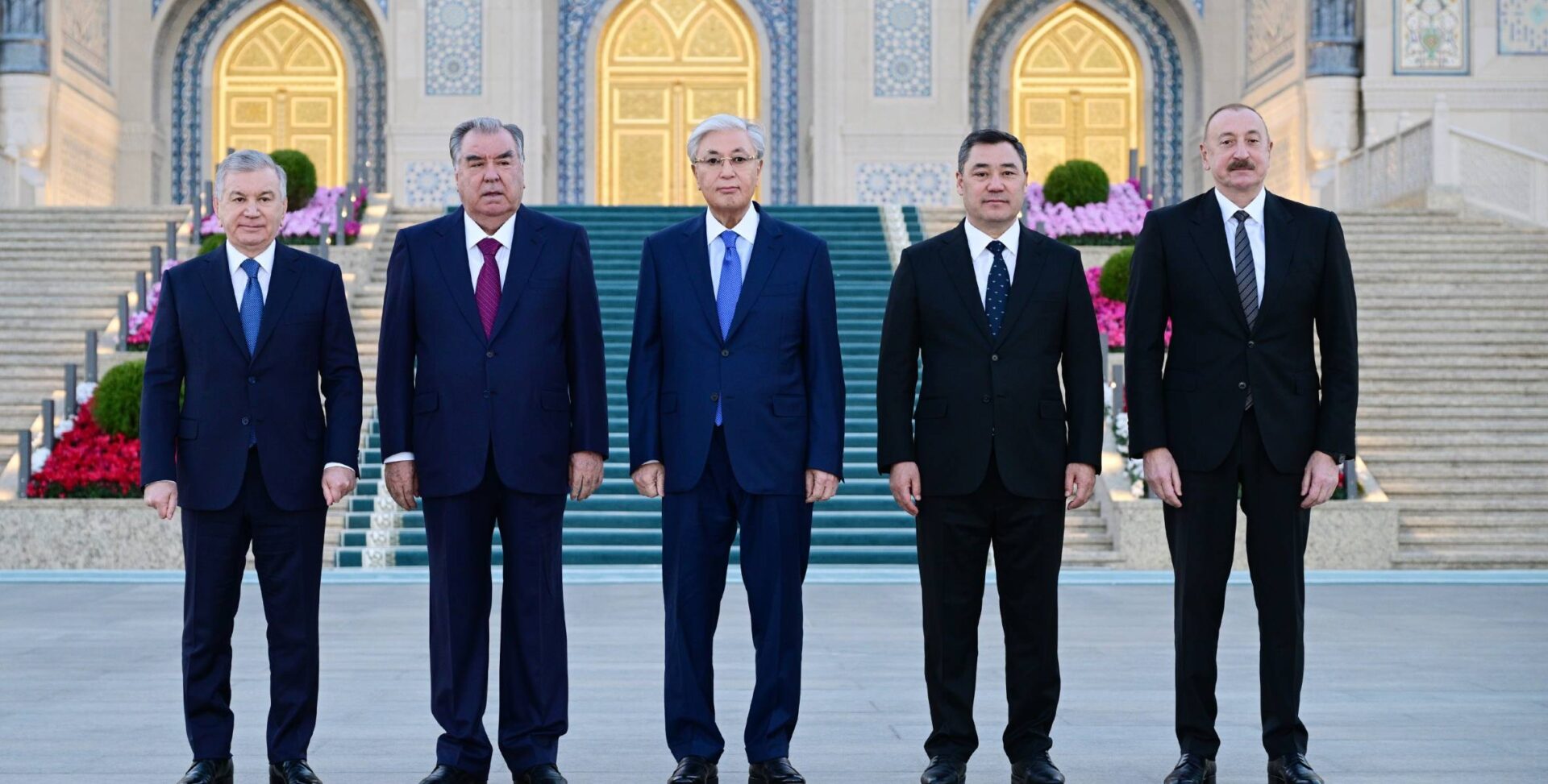
Beyond bilateral dynamics, the Abu Dhabi ceremony underscored the extent of international endorsement for the Armenia–Azerbaijan peace process. Congratulatory messages from numerous regional and international leaders—including the presidents of Türkiye, Kazakhstan, Uzbekistan, and Kyrgyzstan, as well as Jordan’s King Abdullah II—reflected a shared interest in consolidating stability in the South Caucasus (President of Azerbaijan, February 4). Several speakers explicitly linked the peace agreement to broader regional security and connectivity, framing it as a positive precedent for conflict resolution through dialogue.
Abu Dhabi has emerged as a discreet but consistent diplomatic venue in the final stages of the Armenia–Azerbaijan negotiations, including the July 2025 talks that helped pave the way for the Washington Summit the following month (see EDM, July 17, 2025). Aliyev explicitly referred to this continuity, describing the Abu Dhabi ceremony as symbolically significant given the United Arab Emirates’s support for the peace process at a critical juncture (President of Azerbaijan, February 4). The award ceremony thus functioned not only as recognition of past achievements but also as a reaffirmation of the diplomatic framework underpinning the agreement.
From a structural perspective, the normalization process has increasingly shifted from declaratory commitments to implementation through concrete projects. Developments in trade, transit, and energy cooperation indicate a gradual shift toward embedding peace in functional arrangements that require ongoing coordination. Energy infrastructure, in particular, stands out as a domain where technical interdependence could reinforce political agreements by linking Armenia and Azerbaijan into wider regional systems involving Türkiye and, indirectly, European markets.
The Abu Dhabi meeting illustrated how the Armenia–Azerbaijan peace process is entering a phase centered on consolidation rather than negotiation alone. The joint receipt of the Zayed Award for Human Fraternity marked international recognition of progress achieved since August 2025, while the leaders’ parallel talks signaled continued commitment to implementation. As normalization advances through trade, transit, and energy cooperation, the durability of peace will increasingly depend on the successful translation of political agreements into sustained, practical cooperation across the South Caucasus.