Astana to Host Regional Ecological Summit
Astana to Host Regional Ecological Summit
Executive Summary:
- Astana will hold the Regional Ecological Summit (RES) on April 22–24, aiming to reinforce Kazakhstan’s regional leadership by promoting coordinated environmental policies and launching a 2026–2030 program addressing shared ecological challenges across Eurasia.
- The summit will focus on urgent regional environmental crises, particularly the deterioration of the Caspian and Aral seas, where declining water levels, biodiversity loss, and desertification threaten ecosystems, fisheries, navigation, and food security across multiple states.
- Kazakhstan seeks to use the RES to strengthen regional cooperation and align environmental protection with geopolitical and economic priorities, including safeguarding the Caspian Sea’s role in trade corridors such as the Middle Corridor.
Kazakhstan will host the next Regional Ecological Summit (RES) in Astana, Kazakhstan, between April 22–24 (Kazakhstan Ministry of Ecology and Natural Resources, December 18, 2025; The Astana Times, January 16). Kazakh President Kassym-Jomart Tokayev announced the initiative during the 78th session of the UN General Assembly in 2023 and reaffirmed it at the 80th session in 2025 (President of Kazakhstan, September 20, 2023; The Astana Times, September 24, 2025). Tokayev’s initiative to host the upcoming RES aims to consolidate Kazakhstan’s regional leadership by addressing environmental challenges across Central Asia and Eurasia.
Hosting such a high-level environmental event requires adopting a tangible program with relevant policy solutions, in addition to conceptual talking points. Kazakh Ecology and Natural Resources Minister Yerlan Nyssanbayev has stated that all Central Asian nations will adopt the 2026/30 program at the RES in Astana to develop joint solutions to the pressing climate and ecology issues facing the region (Qazinform, December 19, 2025).
The upcoming RES will prioritize several critical areas, with particular attention to the Aral and Caspian seas. Discussions are expected to center on joint initiatives to protect ecosystems, preserve biodiversity, manage water resources, and address the pressing environmental challenges facing both the Aral and Caspian basins (RES, accessed March 10).
The adoption of a new strategy amid existing challenges is particularly important for the landlocked Central Asian states, given the loss of the Aral Sea, the declining level of the Caspian Sea, and rapid desertification (UN Chronicle, June 12, 2017). In the last decade, the Caspian Sea has been suffering from falling water levels and biodiversity loss (Euronews, February 15).
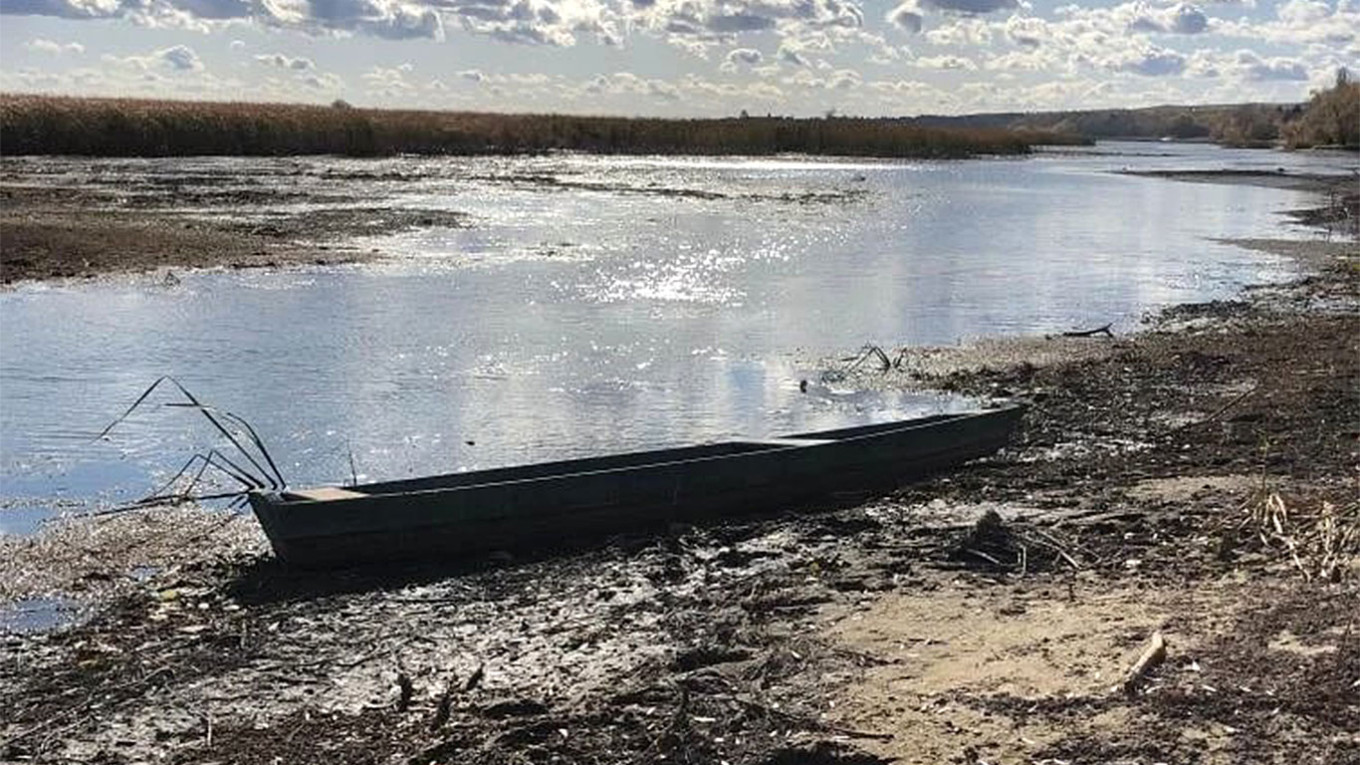
Nearly all littoral states face growing challenges that extend well beyond national borders, as the Caspian Sea’s rapid decline threatens ecosystems, navigation, fisheries, and food security from the Caucasus to Central Asia (The Times of Central Asia, October 18, 2025). According to Kazakhstan’s Ministry of Ecology, since 2006, the sea’s surface area has decreased by more than 31,000 square kilometers (nearly 12,000 square miles), and water levels have fallen by about 1.5 to 2 meters (4.9 to 6.5 feet) (Regional Environmental Centre for Central Asia, May 26, 2025). Amid a shifting geopolitical landscape in Eurasia and a security vacuum amid Russia’s war against Ukraine, the Caspian region today is not just an ecosystem, but a geopolitical nexus where the interests of littoral states and global powers converge. The littoral states agreed to sign the Tehran Convention back in 2018 to end the long-term historical dispute over the Caspian legal status, but not much action has been taken in terms of environmental collaboration (Baku Research Institute, April 6, 2021; Tehran Convention, accessed March 10).
Countries such as Kazakhstan and Azerbaijan recognize the strategic significance of the Caspian basin not only for its abundant natural resources but also for its role as a vital transit hub in international trade. Over the past decade, Astana has actively advanced the Middle Corridor initiative, a trade route designed to connect the landlocked heart of Eurasia with the Caucasus and onward to Europe via the Caspian Sea. While Kazakhstan stands to gain considerably from developing this multimodal corridor, it has simultaneously placed the preservation and sustainability of the Caspian Sea at the forefront of its agenda (The Astana Times, January 16).
The upcoming RES in Astana has already gained wider international support from major partners. including the Karabakh declaration at the informal Organization of Turkic States (OTS) summit in July 2024, the joint statement of the sixth consultative meeting of Central Asian Heads of State in August 2024, and the Bishkek Declaration of the 21st OTS Summit in November 2024 (OTS, July 6, November 6; RES 2026, accessed March 10). The OTS established the Turkic Green Finance Council at the 11th summit of the OTS in Bishkek in 2024, which held its inaugural meeting on September 4 during the Astana Finance Days 2025 forum. Participants gathered to discuss the development of green and sustainable finance across member states, ultimately producing a joint communiqué affirming their commitment to sustainable green development, climate change adaptation, and environmental protection, guided by the principles of the Turkic Green Vision, the Turkic World Vision 2040, and the OTS Strategy for 2022–2026 (The Astana Times, February 18, 2025; AIFC, September 4, 2025).
Kazakhstan is willing to mitigate environmental hazards through various strategies, particularly by boosting cross-platform collaboration. Astana knows the cost of environmental disasters, given the Aral Sea tragedy. The upcoming summit’s focus on the Caspian Sea is not surprising, as it is a source of life for the natural ecosystem and an important part of interregional connection, both for trade and military means. The establishment of the 2026 RES summit enabled Astana to secure regional cooperation and interest in protecting the Caspian basin and adopt a more comprehensive strategy to address environmental issues.