Breaking With Kashmiri Militant Tradition: A Profile of Mujahideen Taliban-e-Kashmir Commander Zakir Musa
Breaking With Kashmiri Militant Tradition: A Profile of Mujahideen Taliban-e-Kashmir Commander Zakir Musa
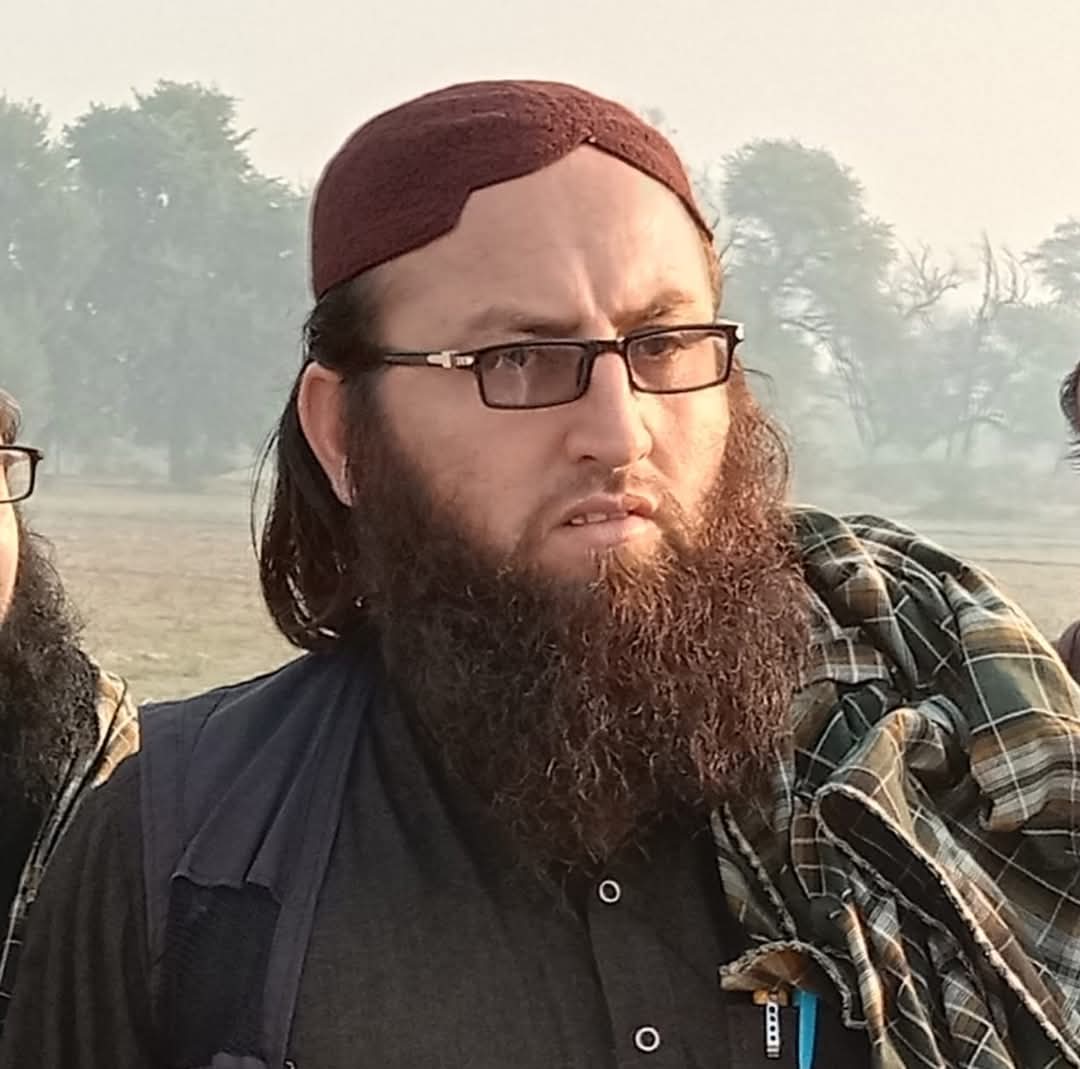
Zakir Rashid Bhat (a.k.a. Zakir Musa), a former Hizb-ul Mujahideen (HuM, Party of Holy Warriors) commander, has been in the news lately for virtually redefining the long-standing Kashmir militant movement. With his incendiary messages, often interwoven with violent Islamist preaching, he is now calling for Indian Muslims to wage jihad in the name of Islam.
Background
Musa, who hails from Noorpura village in the Tral area of Jammu and Kashmir’s Pulwama district, briefly studied civil engineering at Ram Dev Jindal College in the Indian town of Lalru, before heeding HuM’s call to join the militant resurgence (Hindustan Times, August 20, 2016). He often refers himself as a “soldier of Allah” and says he is ready to sacrifice his life for the “supremacy of Islam.” The son of a state irrigation department engineer, Musa left a career path similar to his father, soon becoming the face and voice of the young generation of Kashmiri militants by filling the void created following the death of Burhan Wani and other young commanders once lionized by locals for their anti-India and pro-Kashmir stance.
Zakir Musa joined HuM in 2013 along with many youths from the Kashmir valley. He recently left the group after the HuM leadership disowned him and denounced his extreme comments made in May 2017. HuM is one of the most active militant groups within Kashmir and has long resorted to armed conflict. The group is known for using various violent tactics, including guerrilla warfare, bombings and targeted killings. Unlike other Kashmir-centric Pakistani militant groups, HuM never identified itself with al-Qaeda and avoided joining Osama bin Laden’s agenda of jihad or becoming part of his “International Islamic Front.” HuM remains steadfast in its aim to fight for an independent Kashmir.
Ascension to Leadership
Musa was a close aide of former HuM commander Burhan Wani. After Burhan was killed in July 2016, the HuM leadership, holed up in Pakistani-administered Kashmir, announced Zakir Musa as his successor. Taking the reins of HuM operations in Kashmir, Musa issued his first video message in December 2016, warning Jammu and Kashmir (J&K) police against harassing family members of militants. He threatened to attack family members of policemen who engage in anti-militant operations. (YouTube, December 1, 2016).
Zakir Musa, like his HuM predecessors, uses the Internet and social media to reach out to Kashmiri youth. Through his Facebook page and the WhatsApp messaging platform, Musa often urges his supporters not to expect anything from the United Nations or the United States for a lasting solution to the Kashmir issue. Instead, he exhorts people to turn to Islam and shun narrow ‘Kashmiriyat’ or Kashmiri nationalism (Kashmir Reader, May 16). Many see influences from al-Qaeda and Taliban ideals in his speeches. And Zakir Musa’s sudden rise as a firebrand Islamist and would-be leader of a major revolt within the existing militant movement has made waves throughout J&K’s political and militant spheres.
Breaking With the Establishment
Departing from established Kashmiri militant rhetoric, Musa claims that the whole Kashmir movement stands for the Islamization of the region and strives to achieve complete enforcement of Sharia laws, vowing to bring Kashmir under Islamic rule. He doubled down on this controversial rhetoric in an audio message released on May 13. In his message, Musa threatened to behead leaders of the All Party Hurriyat Conference (AHPC) —a broad alliance of Kashmiri political organizations dedicated to achieving Kashmir’s independence — for characterizing Kashmir as a political issue (Kashmir Reader, May 12). Through his statement, Musa defied the position of almost all existing over-ground Kashmiri separatists and militant leaders.
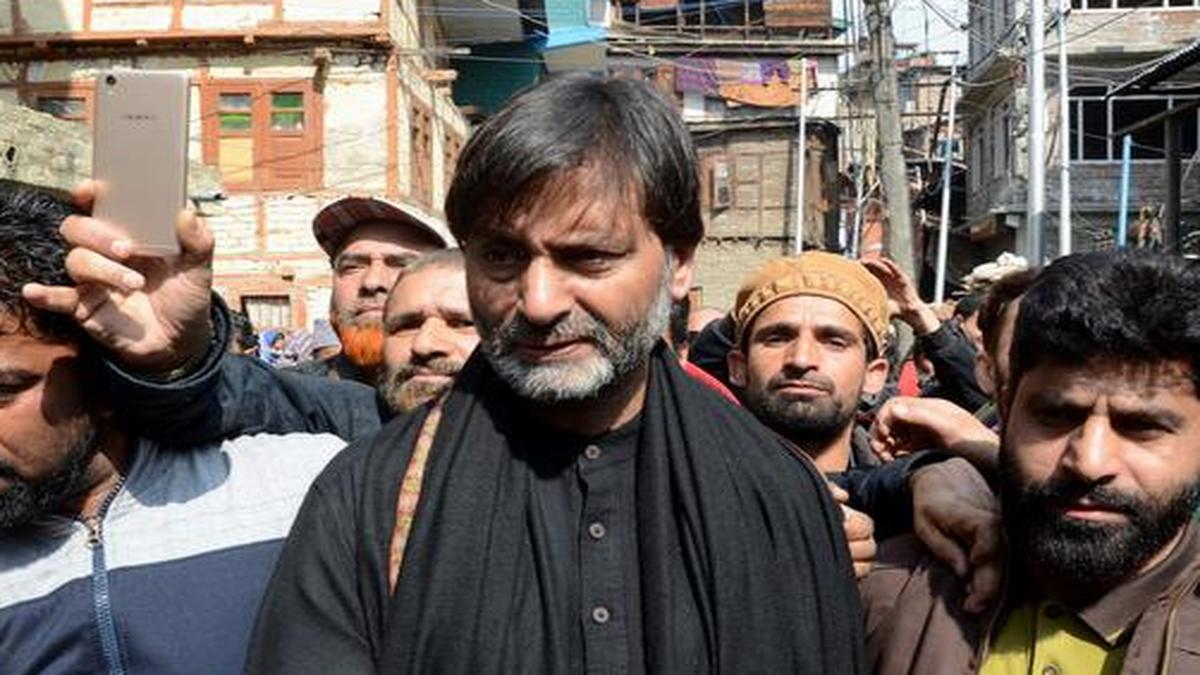
Musa’s threatening message came following a May 9 statement from senior AHPC leaders — including Syed Ali Shah Geelani, Mirwaiz Umar Farooq and Muhammad Yasin Malik — underscoring the political and indigenous nature of Kashmir’s separatist movement (Indian Express, May 09). Musa went on to leave HuM and then lambasted the organization for suggesting his statement was reminiscent of ideals promoted by al-Qaeda and Islamic State and for accusing him of being an Indian agent (Hindustan Times, May 9; Kashmir News Service, May 13). Musa insisted, however, that he would support any group that fights for Islamic rule, including al-Qaeda. Likewise, he expressed appreciation for the support al-Qaeda leadership showed for Islamic rule in Kashmir in their magazine Nawahi Afghan Jihad (Valley Express, May 15).
Later, Musa modified his “threat to kill” statement, excluding Syed Ali Shah Geelani from the list. This is perhaps due to Geelani’s stature within Kashmir movement or due to pressure from the HuM leadership (Times of India, May 14). HuM and Syed Saha Geelani are by-products of the Jamaat-e-Islami Kashmir movement, and HuM still shares a strong bond with Geelani’s Tehreek-i-Hurriyat, the hard-line politico-religious party within the APHC.
Musa has also threatened those advocating for a secular J&K state, arguing that those militants fighting for secularism cannot be called “martyrs.” According to him, the intention and objective should be to achieve freedom for Islam, not a secular state (Times of India, May 14).
After breaking with HuM, Zakir Musa formed a new group called Mujahideen Taliban-e-Kashmir and endorsed al-Qaeda and the Taliban’s ideology, urging Indian Muslims to “stand up against oppression.” He also chided Indian Muslims for not joining Islamic jihad for “Ghazwa-e-Hind,” the mythical final battle for the conquest of India by Muslims (Deccan Herald, June 06). These statements were a reaction to the sporadic mob-lynching of Muslim cow traders in India and ban on cow slaughter in the country. His tirade was targeted at right-wing cow protection vigilantes (gau rakshasks).
Conclusion
Musa is one of the few Kashmiri militants who call Pakistan “an apostate state.” By taking this position, Musa has proved that he is not in sync with the Pakistan-sponsored militant movement active in Kashmir, unlike other groups like Lashkar-e-Taiba, Jaish-e–Muhammad and Hizb-ul Mujahideen. Thus far, Musa and his new group have garnered support from a few militant groups, such as Harkat-ul-Mujahideen and another lesser known militant outfit, Kashmiri Taliban, both of which are loosely connected with Kashmir militant umbrella group United Jihad Council (UJC) (Kashmir Reader, May 13). Another hitherto unknown group, Tehrik-e Sangbaz, has come out in open support of Zakir Musa and his group. However, despite its stated support, Harkat’s spokesperson, Hasan Askari, clarified later that it has no intention to take Zakir Musa into its fold even if his group supports Musa as an individual commander who believes in the “Islamic Rule” (Greater Kashmir, May 16).
Musa’s stated support for al-Qaeda in Indian Subcontinent (AQIS) and the Taliban demonstrates a visible shift in direction of the ongoing Kashmir conflict. He praised al-Qaeda, which fights under the slogan of “Shariyat ya Shahadat” (Islamic rule and martyrdom) (Kashmir Reader, May 16).
With the recent militant resurgence in Kashmir, due to overwhelming popular support based on anti-military rhetoric, the rise of Islamist militants like Zakir Musa seems inevitable. However, any expansion of his support base and rise in cadre recruitment under the “Islamic rule and martyrdom” slogan may cause greater complications for both the existing separatist movements and the Indian government attempting to contain the surge.