Death of Abu Yasser al-Issawi Unlikely to Affect Islamic State Operations in Iraq
Death of Abu Yasser al-Issawi Unlikely to Affect Islamic State Operations in Iraq
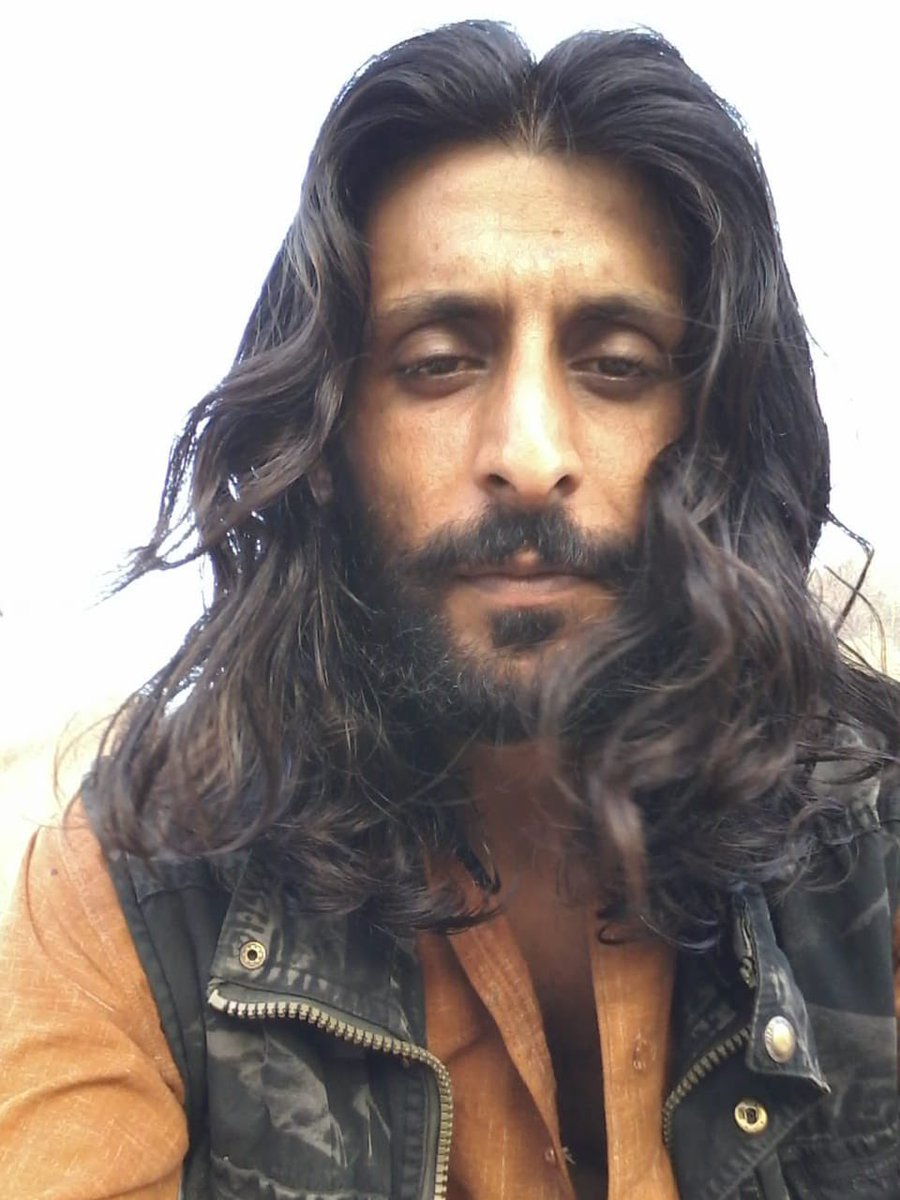
On January 28, Iraqi Prime Minister Mustafa al-Kadhimi announced that the wali, or governor of Islamic State (IS) in Iraq, Abu Yasser al-Issawi, was killed during a security operation. Issawi was assassinated in the Wadi al-Shay valley in southern Kirkuk, an area known for an embedded Islamist presence (Al-Monitor, January 29). Airstrikes hit a network of caves, which the non-state organization was using as a hideout. That was followed by an assault by Iraqi ground forces, according to Sabah al-Numan, a military spokesperson.
The operation was carried out by the Iraqi Counter-Terrorism Service (CTS) in coordination with the U.S.-led coalition. Nine other suspected IS terrorists were killed in the operation. The prime minister announced Issawi’s death via social media, claiming that he “gave his word to pursue Daesh [Islamic State] terrorists and gave them a thundering response” (Middle East Eye, January 29).
The death of Issawi is the latest development in the fight against IS remnants in Iraq. It is just one of numerous subplots raging in a country beset by political, social and economic crises. Although IS lost its self-proclaimed caliphate in 2017 following a sustained military campaign by domestic and international military actors, the group has resorted to insurgency tactics. Prominent IS commanders like Issawi have ensured the group remains active, if territorially defeated.
The Governor
Kadhimi’s combative rhetoric was likely driven by Issawi’s senior position within IS. Abu Yasser al-Issawi, born Jabbar Salman Saleh Ali al-Issawi in Fallujah, was the 39-year-old wali of IS operations in Iraq, leading a series of divisions, operatives and administrators throughout the country. Little is known about Issawi prior to his involvement in IS activities. According to local counter-terrorism experts, he was highly educated in Quranic studies and subscribed to a radical interpretation of Islam consistent with the beliefs of the Salafist-jihadist group (Al-Monitor, March 1). He allegedly took up arms against the U.S.-led coalition invasion of Iraq in 2003 and was imprisoned in Camp Bucca – an American military encampment where many would-be IS leaders were detained.
Having ascended the IS ranks during its capture of territory in Iraq and Syria following the organization’s formal inception in 2013, Issawi’s first major positions were as the deputy governor and then governor of northern Baghdad province after the killing of former governor Naji Daoud. Issawi also took responsibility for Salahuddin province before being promoted to the role of governor of Iraqi operations in 2017 (Arab48, January 29). In Iraq, IS has demonstrated a robust hierarchical structure for several years, with the leader of each province responsible for the administration of the organization’s activities in that area and reporting to the wali – who, up until January 2021, had been Issawi.
Issawi was reportedly well trusted by former IS leader and self-proclaimed “caliph” Abu Bakr al-Baghdadi. Since Baghdadi’s death in October 2019, his replacement Abu Ibrahim al-Qurayshi has favored Iraqi nationals in positions of power. Syrian nationals have reportedly been replaced in the IS top command (eeradicalization, February 15). Issawi’s experience and background in Iraq put him in good stead with the new caliph, and it is highly likely he would have been among the favorites to take over the top role if al-Qurayshi was captured or killed.
Prior to becoming the wali of Iraq, Issawi was prominently active in the Syrian areas of Hejin and Baghouz, and demonstrated his military prowess by taking part in a reported 200 firefights. The ruthless streak that any IS commander must possess was seen through his involvement in the execution of 18 Kurdish Peshmerga soldiers and targeting of tribes like the Jughayfa and Albu Nimr in western Anbar (Al-Monitor, March 1). The targeting of tribal leaders was a key goal of regional IS leaders during the group’s seizure of territory in 2014-2015, ensuring material and tactical support through reprisal attacks. Issawi was at the heart of IS operations in Iraq, but his death is only the latest development in a multitude of ongoing political and military fissures in the country.
Kadhimi’s Propaganda Victory
Since assuming office in May 2020, Prime Minister Mustafa al-Kadhimi has focused on improving safety and security, combating corruption and pushing through government reforms. One of his first acts was to launch a major offensive in Kirkuk in June 2020, targeting IS remnants in the area. Part of his agenda is to re-establish the capabilities of the Iraqi security forces, with the government and military quick to claim that during any tactical operations, such as the successful targeting of IS members, Iraqi forces took the lead and any international assistance from the U.S.-led coalition was largely material (Rudaw, June 2).
The ability of Kadhimi, his government and the security forces to display these capabilities was punctured by twin bomb blasts in Baghdad on January 21, a week before Issawi was killed. IS claimed responsibility for the attack, in which 32 people were killed when two suicide bombers detonated devices in the Bab al-Sharqi area of central Baghdad (Arab News, January 21). For a government already struggling with the Covid-19 pandemic, internal schisms, and an economic crisis, a resurgence of suicide bombings in the capital, which have reduced in frequency since 2017, was an unwelcome development.
The killing of Issawi gave Kadhimi a more secure basis to declare that the Iraqi security forces are able to identify and eliminate leading IS commanders. Kadhimi had already ordered an overhaul of Iraq’s security leadership following the Baghdad bombings, including a new federal police commander and chief of the elite Falcons Unit. The killing of Issawi gave Kadhimi a fresh opportunity to try and secure public trust in the domestic Iraqi forces, especially given the withdrawal of U.S. military assistance (The Arab Weekly, January 22).
There have been numerous reports on the role of the Iraqi intelligence services in identifying, tracking and eliminating Issawi since his death. Kadhimi himself said in his tweet announcing the death of the Iraqi wali that it was an intelligence-led operation, with the national Counter-Terrorism Service (CTS) and the National Intelligence Service (NIS) at its heart. Both agencies were able to locate Issawi and track him to the Wadi al-Shay valley, and the airstrike that killed Issawi was a joint Iraqi-Coalition operation (Alaraby, February 2). Kadhimi was handed a further propaganda opportunity when two more IS commanders, Abu Hassan al-Gharibawi, the IS governor of southern Iraq, and Ghanem Sabah Jawad, a known bomb expert, were killed by Iraqi security operations in Abu Ghraib during the week following Issawi’s death (Kurdistan24, February 3).
Military Matters
In both sweeps and targeted operations against IS remnants, Kadhimi has relied heavily on the U.S.-trained Counter-Terrorism Service. The CTS answers directly to the prime minister’s office and is separate from the Iraqi military’s usual chains of command, ensuring a greater level of adherence to Kadhimi’s directives. The U.S. withdrawal from combat operations in Iraq has allowed Iranian-backed Popular Mobilization Forces (PMF) to gain greater influence over military matters in the country, with Iraqi lawmakers voting in favor of a massive PMF expansion in April 2021 (Alaraby, April 21).
The CTS and the National Intelligence Service (NIS), which is also led by Kadhimi, are among the last bastions of the military that remain largely free from Iranian infiltration. Previously, units like the PMF, which has ties to the Iranian Revolutionary Guard Corps (IRGC), have clashed with Kadhimi in order to secure political capital, demanding the release of prisoners or allowing the defense budget to be passed only in exchange for greater military influence (Alaraby, July 2 2020). The CTS and NIS are U.S.-aligned agencies that will likely provide Kadhimi with the greatest successes in fighting IS domestically. Further military gains against IS remain a primary path toward building public confidence in the Iraqi security forces, despite the overt and growing Iranian influence.
IS Without Issawi
Although IS is adept at quickly filling the void created by the capture or killing of its leaders, Issawi’s death will doubtless have an impact on IS operations in Iraq, at least in the immediate term. Issawi was a key actor in the group’s continued insurgency efforts, in terms of training, recruitment and expanding IS presence from its remote hideouts in the north of the country. Beyond the operational considerations, his death was a symbolic loss for IS: when a high-ranking commander is killed, especially someone of Issawi’s position as de facto second-in-command, it is a propaganda blow, making it difficult for the IS hierarchy to claim that the group remains strong.
Issawi’s replacement will likely be carefully chosen, owing to the prominence of the position and the ongoing favoritism toward Iraqi nationals among the IS hierarchy. Any potential replacement must be someone with sufficient stature, military experience and respect to be seen as a potential caliph. Such IS officials as Bashar Khattab al-Sumaidai, the current head of the IS judiciary, Walid Jassem al-Alwani, a former commander of IS’ military council, and Abu Hamzah al-Qurayshi, the official IS spokesman, are likely to be considered, but it is difficult to speculate who the new caliph Abu Ibrahim al-Qurayshi will select to replace Issawi (eeradicalization, February 15).
There has been a notable uptick in attacks by IS remnants in areas northwest of Baghdad, such as Salahuddin and Kirkuk, in the months following Issawi’s death. The international coalition’s spokesman Colonel Wayne Marotto attempted to downplay these as “simple low-level attacks,” and denied any resurgence, but the attacks highlight the continued capabilities of IS in areas north of Baghdad (Al-Monitor, March 15). Issawi’s death is a blow to IS owing to his stature and experience, but as previously seen, the killing of a commander has little impact on operational tempo.
Conclusion
The death of Abu Yasser al-Issawi is undoubtedly a major loss for IS in Iraq, but it will not be the catalyst for the group’s eventual defeat. Successors will be found and operations will continue regardless, likely continuing in the same vein of hit-and-run operations executed out of isolated strongholds. The organization is highly unlikely to attempt to reclaim territory or population centers in the coming months. The targeting of IS remnants and the ongoing success of such operations will depend on the outcome of Iraq’s ongoing military and political upheavals. The withdrawal of U.S. assistance, the disproportionate influence of Iranian actors and structural weaknesses within Iraq’s military could result in less frequent successful operations against IS and allow the terrorist organization to regain a foothold in the country, despite losing its most prominent Iraqi commander.