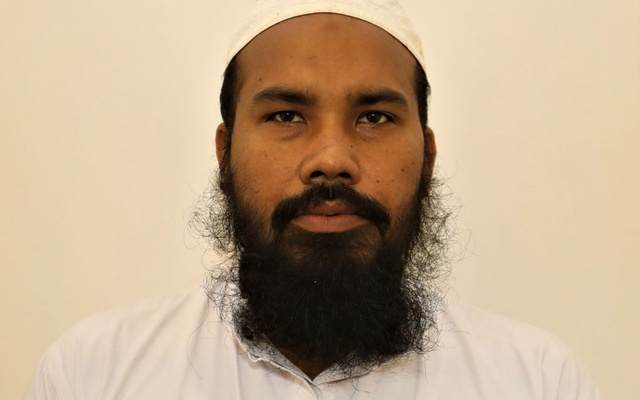
Shamin Mahfuz: A Retrospective of Jama’atul Ansar Fil Hindal Sharqiya Incarcerated Founder in Bangladesh
Shamin Mahfuz: A Retrospective of Jama’atul Ansar Fil Hindal Sharqiya Incarcerated Founder in Bangladesh
Executive Summary:- Md Shamin Mahfuz, the founder of Jama'atul Ansar Fil Hindal Sharqiya (JAFHS), a prominent jihadist group in Bangladesh loyal to al-Qaeda, was arrested in June 2023. Despite the successful arrest of many JAFHS leaders and militants, the group remains a threat, especially given Bangladesh’s recent political instability.
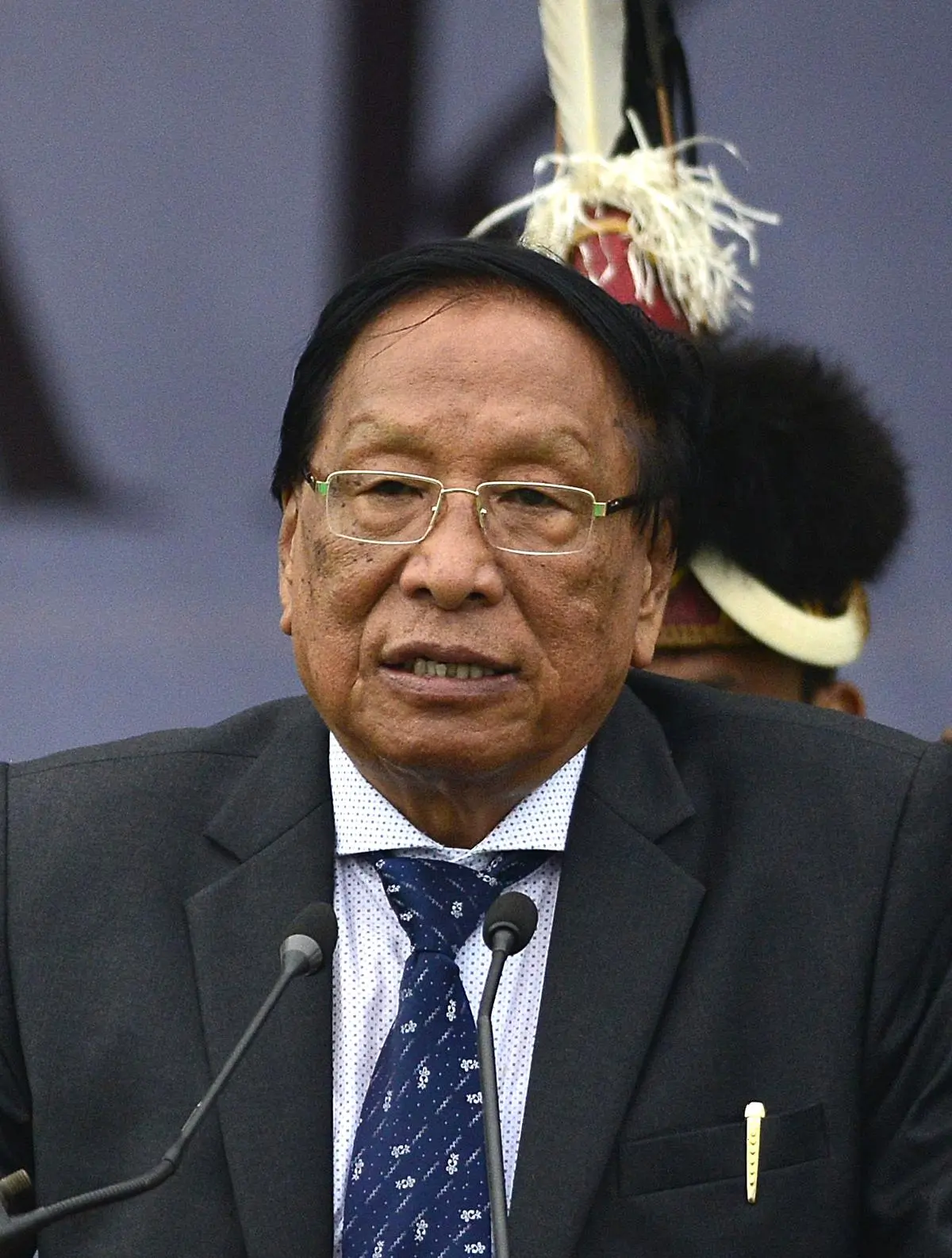
- Mahfuz was an effective organizer, fundraiser, and trainer whose personal friendship with Nathan Bawm’s Kuki-Chin National Front enabled him to set up training camps in Bangladesh’s rugged Chittagong Hill Tracts.
- Mahfuz, who referred to himself as the “Osama bin Laden of Bengal,” was a brilliant student who was radicalized through a family connection to Ansar al-Islam Bangladesh/the Ansarullah Bangla Team.
Md Shamin Mahfuz, also known by aliases Shamim Mahfuz, Sir, Shumon, Arif, Aslam, Abu Bakar, Menring, and Mending Murang, is the founder of Jama'atul Ansar Fil Hindal Sharqiya (JAFHS), a prominent jihadist group in Bangladesh loyal to al-Qaeda. He served as the group’s chief coordinator until his arrest in June 2023. This included securing heavy weapons and setting up training camps in the remote and rugged terrain of the Chittagong Hill Tracts (CHT) of southeastern Bangladesh (bdnews24.com, June 23, 2023). [1] Mahfuz also forged alliances with ethno-nationalist armed groups like the Kuki-Chin National Front (KNF). [2] Under his leadership, JAFHS planned significant attacks in Bangladesh in 2024 but failed to execute them. Despite the arrest of Mahfuz—who once called himself the “Osama bin Laden of Bengal”—and the subsequent ban on the group in August 2023, JAFHS remains a serious security threat in the country (Dhaka Tribune, August 10, 2023). Background and Ideological Evolution Mahfuz was born on July 21, 1976 in the predominantly agricultural district of Gaibandha in northern Bangladesh. His father was reportedly the president of the Islamist Jamaat-e-Islami party's farmers' branch in a sub-district of Gaibandha (Kalbela, June 25, 2023). Mahfuz was a top student at Rangpur Cadet College, where his radicalization is believed to have begun. [3] Mahfuz’s affiliation with Islami Chhatra Shibir, the student wing of Jamaat-e-Islami, led to his expulsion from the school in 1993. Following this, Mahfuz was admitted into Daokandi College, where he completed his secondary education. Despite setbacks, Mahfuz excelled academically and ranked in the top 10 of his school’s class in that year’s nation-wide final examination (bdnews24.com, June 23, 2023: Prothom Alo, June 24, 2023). Mahfuz later enrolled at Dhaka University, where he completed his Bachelor's and Master's degrees in Sociology in 1997 and 1998, respectively (Dhaka Tribune, June 24, 2023). At Dhaka University, Mahfuz befriended fellow student Natham Bawm, who would go on to found the KNF (bdnews24.com, June 23, 2023; for more on Bawm, see Militant Leadership Monitor, September 20, 2024). Throughout this period, Mahfuz was further radicalized by familial ties. At Dhaka University, Mahfuz was linked by his nephew with Jamaatul Muslemin, one of Bangladesh's earliest pro-al-Qaeda militant groups and the precursor to Ansar al-Islam Bangladesh/the Ansarullah Bangla Team (ABT) (Jagonews24.com, July 10, 2023; Dhaka Tribune, June 24, 2023; for more on Ansar al-Islam Bangladesh/the Ansarullah Bangla Team, see Terrorism Monitor, August 7, 2015, February 25, 2022). Several members of Mahfuz’ family stated that after completing his postgraduate studies at Dhaka University, Mahfuz used to frequent a now-closed organization that acted as a hub for militants named the Research Centre for Unity Development (RCUD), which was located in the upscale Dhanmondi neighborhood in Dhaka (Prothom Alo, February 1, 2018). [4] From University to JMB and Ansar al-Islam After completing his graduate degree, Mahfuz began pursuing a PhD at Jahangirnagar University. Mahfuz’s studies focused on ethnic groups in the CHT in far southeastern Bangladesh—particularly in the area of Naikhongchhari, where he bought land for lemon farming (bdnews24.com, June 23, 2023). According to the chief of Bangladesh’s Counter-Terrorism and Transnational Crime unit (CTTC), Mahfuz “willingly picked the subject so that he could travel to [the CHT] and build a [safehaven] there” (Dhaka Tribune, June 24, 2023). Mahfuz was known as a skilled academic proficient in Bengali, English, and Kuki. Mahfuz is believed to have worked at the Bangladesh Rifles College as a lecturer from 2001 to 2002 and Bangladesh Open University from 2003 to 2011. Officials claim that Mahfuz has been associated with militant groups broadly since 2006, spending time with Jama’atul Mujahideen Bangladesh (JMB) before joining Ansar al-Islam (The Daily Star [Bangladesh], October 28, 2022). Police involved with Mahfuz’s investigation have evidence that he was in close contact with Maulana Osman Ghani, also known as Abu Imran, the leader of Ansar al-Islam (Bangla Tribune, July 4, 2023). In 2007, Mahfuz associated with Ansar al-Islam’s spiritual leader, Muhammad Jasimuddin Rahmani, in addition to other Ansar al-Islam (AAI) leaders. During this period, he maintained extensive communications with domestic and foreign militant leaders. This included Pakistani citizen Ejaz Ahmed Kargil, a senior al-Qaeda operative residing in Bangladesh who moved there after marrying Bangladeshi citizen, Naznin Sultana. Kargil was subsequently killed in Pakistan in 2015. Known for his association with al-Qaeda leader Osama bin Laden, Kargil oversaw militant activities in Bangladesh, India, and Pakistan (Dhaka Times, June 24, 2023). Mahfuz eventually married Kargil’s ex-wife Naznin Sultana, whom he had met at RCUD. She later became involved in the JAFHS’s women da’wah (preaching) wing (Dhaka Times, June 24, 2023). Formation of JAFHS in Prison In 2011, Mahfuz was arrested in Bandarban District for alleged extremist activities. During his time in jail, Mahfuz was found with jihadist materials. Following his release in 2012, Mahfuz moved to Dhaka and later the Chakaria neighborhood in Cox’s Bazar District from 2013 to 2014, where he resumed his militancy. Rearrested in 2014, Mahfuz was sent to Kashimpur Central Jail, where he connected with leaders of al-Qaeda-affiliated groups like JMB and Harkat-ul-Jihad-al Islami Bangladesh (HUJI-B) (The Daily Star, October 28, 2022). At that time, Mainul Islam (alias Roxy), who later became JAFHS’s first emir, was also in prison (Kalbela, June 25, 2023). Upon release from Kashimpur Central Jail in 2017, Mahfuz and Roxy formed a new militant group, which at the time operated without a name. Immediately afterwards, Mahfuz began recruiting members and establishing training camps. Roxy led the group until his 2021 arrest, after which Mahfuz appointed Anisur Rahman Mahmud (aliases Tamal and Shawkat) as leader around mid-2020 in addition to forming a "shura committee" (Dhaka Tribune, June 24, 2023). The group was named Jama’atul Ansar fil Hind al Sharqiya (JAFHS) (meaning Group of Supporters [of Islam] in the Eastern Indian Subcontinent) in 2022 (DMP News, February 22, 2023). Abdullah Maimun, who became the head of the da’wah wing, proposed the name and a vision of expanding the group’s operations beyond Bangladesh. Before Anisur Rahman Mahmud was re-arrested in 2023, Mahfuz had resided in the Naikhongchhari sub-district of Bandarban District in the CHT from 2019 to 2021. Mahfuz also spent time in Dhaka's Demra neighborhood in 2020. Mahfuz, as chief coordinator of the group, aimed to train Bangladeshi youths for militant attacks and armed conflict against law enforcement in order to establish Islamic rule in the country (Jagonews24.com, July 10, 2023). The youths monitored mosques to recruit and radicalize members and received military training as well as skills in trades to become electricians, carpenters, and mobile phone mechanics. Surgeons were particularly sought after as recruits, according to seized documents. The organization relocated nearly 100 members to the CHT to prepare them for “Ghazwatul Hind,” a mythologized, supposedly imminent religious conflict in South Asia that they imagined would mirror the famous Battle of Badr in Islamic history (The Daily Star, January 31, 2023; Desh Rupantor, May 15, 2024). Additionally, JAFHS planned to enlist modern technology experts who had earlier joined Islamic State Bengal (ISB), known locally as Neo-Jama’at Mujahideen Bangladesh (Neo-JMB)—a group which has all but ceased to exist due to the arrest of most of its leaders (The Daily Star, May 10, 2023). Mahfuz played a crucial role in funding the group’s operations, in addition to bomb-making and training new recruits how to use firearms (bdnews24.com, October 10, 2022). Under his leadership, the organization garnered most of its financial support through ostensibly benign religious projects which operated as fronts. This allowed them to promote activities like mosque construction and Islamic outreach, while avoiding overt references to militant operations that were also being funded. Frequently, members also self-financed their involvement through personal accounts or acquaintances (Jagonews24.com, July 10, 2023). JAFHS further received millions of taka (tens of thousands of dollars) from domestic and foreign donors via mobile banking and suspected illegal channels like hundi, a traditional, informal remittance system (The Daily Star, November 10, 2022). KNF Alliance and Capture Mahfuz brokered a deal for JAFHS to use training camps run by the Kuki-Chin National Front (KNF), a mainly Christian tribal insurgent group in the CHT (Voice of America, June 24, 2023). As previously mentioned, Mahfuz and KNF leader Nathan Bawm were close friends at Dhaka University. Thus, Mahfuz joined Bawm in the hills at several points in his life. In 2019, Mahfuz informed Bawm about his plan to launch the as-yet-unnamed militant group and asked that the latter help him set up training camps in the CHT (Dhaka Tribune, June 24, 2023). Negotiations between the two groups were held in Hotel Bay Wonders in the Kolatoli neighborhood of Cox's Bazar around April 2020. According to the deal, the KNF and JAFHS would not assist each other's enemies. JAFHS would also cover all expenses for KNF to attend training camps, and JAFHS would pay KNF trainers. [6] Bangladeshi police managed to recover two pages of the negotiations from Mahfuz, which detailed how the KNF would assist JAFHS (Dhaka Tribune, June 24, 2023). In October 2022, a raid by the country's Rapid Action Battalion (RAB) on KNF and JAFHS camps near the Indian border disrupted the groups’ activities and led to the arrest of dozens of militants. This prompted hundreds of villagers to flee to Mizoram State in India. Mahfuz and his wife, Naznin Sultana, were later arrested in June 2023 in the neighborhood of Demra (on the outskirts of Dhaka) with a cache of arms and explosives (bdnews24.com, June 23, 2023). Mahfuz's communications devices linked him to local and foreign militant leaders and contained instructional videos on how to make bombs and suicide vests. According to information revealed by Mahfuz during his interrogation, JAFHS planned targeted killings of secular thinkers, police, judges, atheist writers, bloggers, TV anchors, members of the media, theatre workers, and LGBT activists. In the interrogation, Mahfuz also admitted that his group was ideologically aligned with al-Qaeda, which he hoped JAFHS would become an affiliate of. Mahfuz was known to intentionally mirror Osama bin Laden’s walking style and mannerisms as he moved through the mountainous terrain of his militant camp. Upon his arrest and questioning by the CTTC, Mahfuz proclaimed, "I am al-Qaeda. I am the Osama bin Laden of Bengal" (Bangla Tribune, July 4, 2023). Every month, Mahfuz received 20,000 taka ($200) from AAI’s central fund. Further, Mahfuz stated that he was in contact with Sheikh Tamim al-Adnani in the Ummah Network, an online jihadist social media platform—and one of al-Qaeda in the Indian Subcontinent's main outlets for Bengali-language propaganda. Mahfuz drafted and sent scripts to al-Adnani, demonstrating that he actively wished to be involved in the wider al-Qaeda propaganda ecosystem (Bangla Tribune, July 4, 2023). Conclusion Mahfuz's journey from an Islamist youth activist and brilliant student to a jihadist organizer highlights an unusual path to radicalization, driven largely by his family and associates. Recruited by his nephew, Mahfuz’s case underscores how local or familial interactions fuel national, regional, and global networks. It exposes weaknesses in Bangladesh's prison system and the inadequacies in monitoring and rehabilitating high-profile militants after their release. Despite law enforcement efforts that have succeeded in arresting nearly 70 key leaders and members of JAFHS, the group remains a persistent threat. The country’s recent political revolution compounds with the general issues posed by frequent jailbreaks and weakened policing and counterterrorism capabilities to create an environment conducive for militants like Mahfuz to regroup and reorganize. Notes: [1] The CHT in southeastern Bangladesh covers 13,295 square kilometers (5,100 square miles) and was divided into Khagrachhari, Rangamati, and Bandarban districts in 1984. This area was historically settled by tribal refugees and ethnic minorities from Myanmar and is the only major region of hills in Bangladesh. The CHT borders India and Myanmar and is approximately one-tenth of Bangladesh's total area. The CHT was host to an insurgency for more than two decades (1972–1997) led by the Parbatya Chattagram Jana Samhati Samiti (PCJSS) and its armed wing, the Shanti Bahini. [2] The KNF, also known as the Bawm Party, is an ethno-nationalist armed militant political organization in the CHT. [3] A cadet college is a special military high school system in Bangladesh. [4] Jamaatul Muslemin is the parent organization of Ansar al-Islam Bangladesh, which now refers to itself as the Ansarullah Bangla Team. Jamaatul Muslemin formerly followed the Yemeni al-Qaeda leader Anwar al-Awlaki. This organization targeted students of English-language schools and public and private universities for recruitment. The group also included poor students of madrasas up in the country’s northern regions. Jamaatul Muslemin was heavily associated with the Research Centre for Unity Development (RCUD) in Dhanmondi neighborhood, Dhaka. [5] The group had additional plans to create a naval unit in Patuakhali District (Barisal Division, in the South-Central Region) for its members who possessed military training. This division was designed to serve as a refuge in times of heightened law enforcement operations (Dhaka Tribune, August 3, 2023). [6] Based on a document reviewed by the author.