Skip to content

Qazi: Commander who Reconceived BLA’s Structure and Strategy

Post-mortem Publication Militant Leadership Monitor Pakistan Volume 17, Issue 1

01.22.2026 Imtiaz Baloch

Qazi: Commander who Reconceived BLA’s Structure and Strategy

Executive Summary:

  • Abdul “Qazi” Basit Zehri became a central strategist after joining the Baloch Liberation Army (BLA) in 2006, fundamentally transforming the group’s organizational and military structure before his death from health issues in 2025.
  • Qazi is credited with modernizing the BLA by expanding urban guerrilla warfare, establishing intelligence wings, and enhancing non-military capabilities—including media, cyber operations, and logistical networks—across Balochistan and Sindh.
  • The BLA is expected to remain lethal despite the potential for Qazi’s death to create a leadership void—likely through recruiting younger, radicalized militants and complicating state peace efforts by rejecting traditional tribal authority.
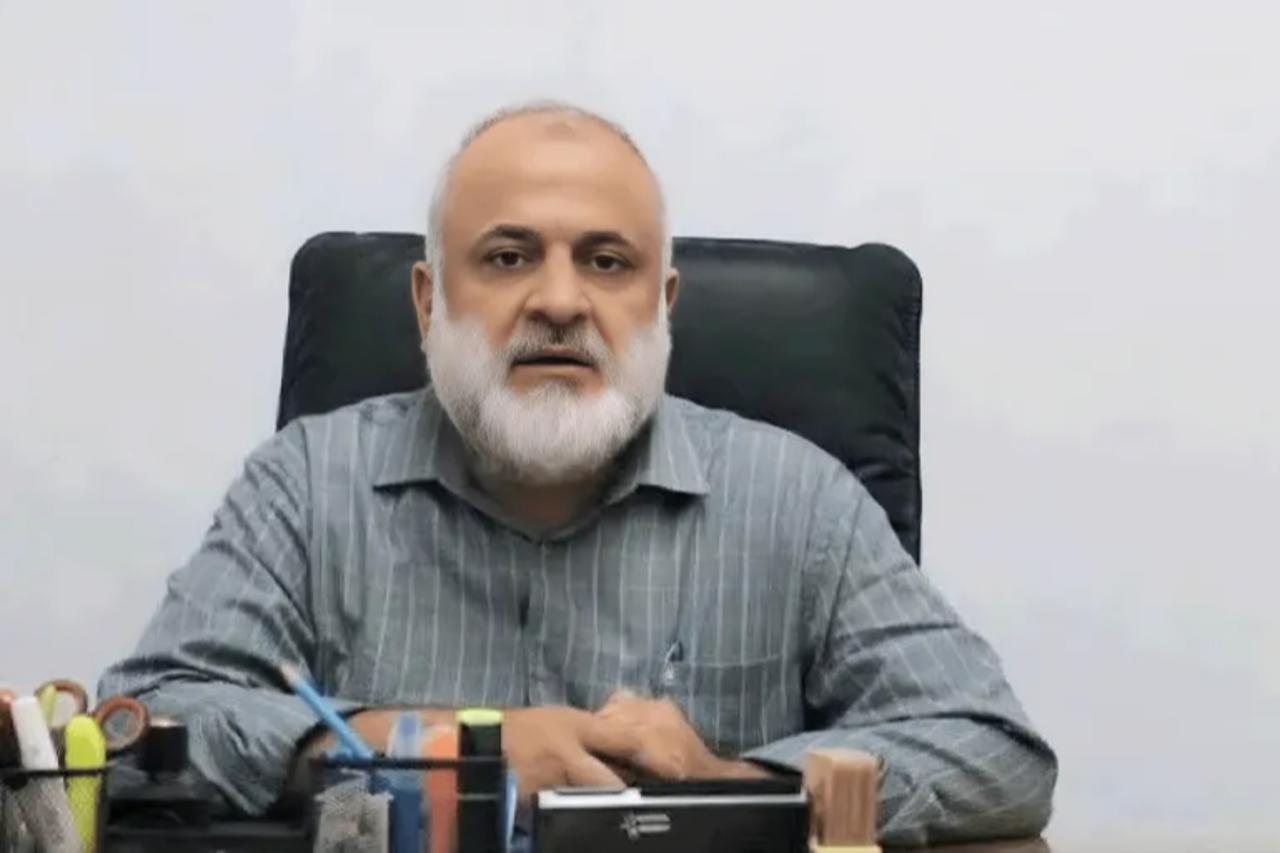
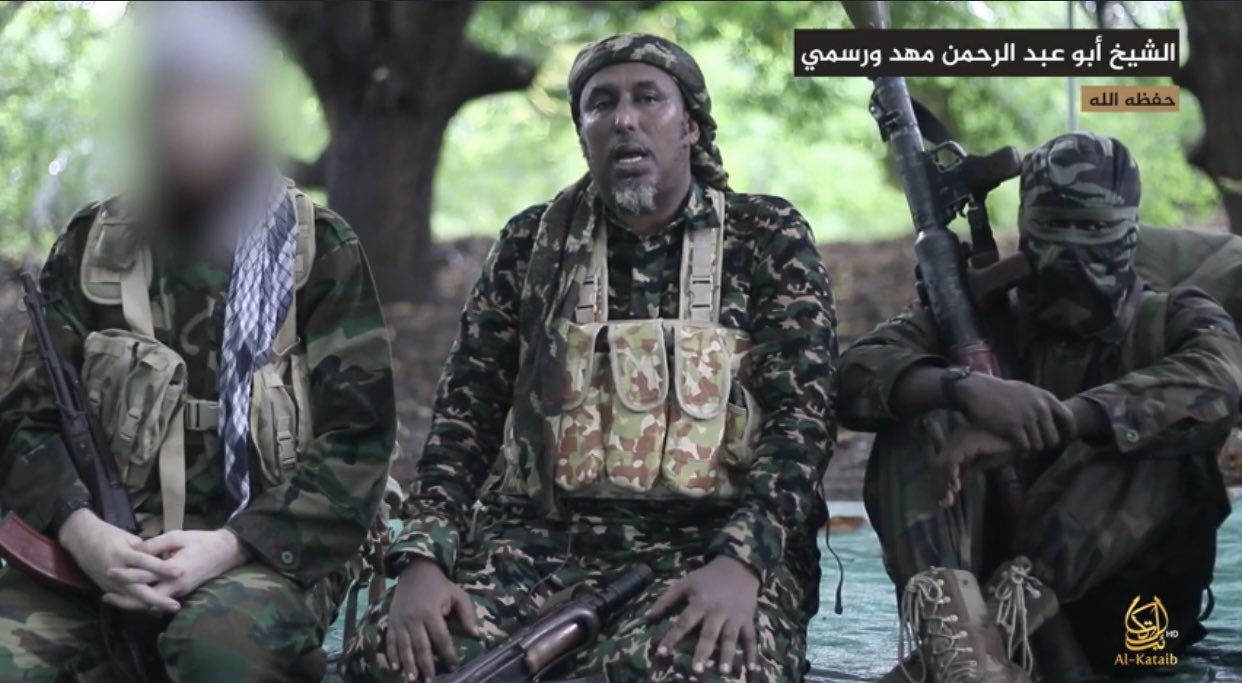
On August 26, 2006, Nawab Akbar Khan Bugti—a prominent political and tribal figure who held important offices at both the federal and provincial levels in Pakistan—was killed in the Tratani area of Kohlu District, Balochistan. At the federal level, he served as Interior Minister, while at the provincial level he held the offices of Chief Minister and Governor of Balochistan. Despite being a loyalist to Pakistan, he was also a Baloch nationalist.

His killing worsened the security situation and heightened tensions between the provincial and federal governments. Aftershocks of this event were witnessed in 2024 on the 18th anniversary of his death, when around 50 people, including 14 security personnel, were killed (Dawn August 27, 2024). More broadly, the killing of Nawab Bugti caused many young, educated Baloch to choose violence over peaceful protest and demonstrations.

Among them was Abdul Basit Zehri—also known as “Qazi”—who joined the Baloch Liberation Army (BLA) in 2006. He believed that it had become evident to ordinary Baloch people that the security situation in Pakistan was untenable if a tribal chieftain and prominent political figure such as Bugti could be killed. By the time Qazi died in June 2025 due to a health condition, he had become a key BLA strategist (The Balochistan Post, September 28)

Family Involvement in Militancy

Qazi was born in 1981 in the Zehri area of Khuzdar. This was a stronghold of former Chief Minister of Balochistan and tribal chieftain Sanaullah Zehri, who was considered a Pakistani state loyalist. Qazi received his early education at the Balochistan Residential College (BRC) in Khuzdar. BRCs are widely known for providing top-quality early education in Balochistan, and his enrollment at one helped develop Qazi’s networking skills by introducing him to students from across the province. This environment also familiarized him with multiple languages, including Balochi, Urdu, and English, as well as his mother tongue, Brahui. Benefiting from a quality education and a relatively well-off family, Qazi became more familiar with technological innovations and digital media than many of his peers in Balochistan (The Express Tribune, May 31, 2018).

Qazi’s father, Muhammad Ramzan Zehri, was a well-known figure in the transportation industry in Balochistan and was killed in a targeted attack in his hometown in 2010 (The Balochistan Post, August 14, 2025). Prior to Ramzan Zehri’s death, one of Qazi’s brothers, Majeed Zehri, was allegedly picked up by state collaborators in 2010, and his dead body was later recovered in Khuzdar. Similarly, another younger brother, Abdul Nabi—also known as Nisar Zehri—died in 2012. The family’s involvement in militancy extended beyond immediate relatives. Two of Qazi’s cousins, Abdul Samad Zehri and Sher Muhammad Zehri, along with another fighter, Ameer-ul-Mulk, were also killed in a separate engagement with security forces in 2014 (The Balochistan Post, June 30, 2025).

Qazi’s family is often cited for setting precedents within militant circles. In 2018, Zia ur-Rehman, also known as Dil Jan Baloch, along with Noor ul Haq of the Balochistan Liberation Front (BLF), were killed by security forces during an operation in Khuzdar district. This incident marked two significant developments. First, it paved the way for closer cooperation between the BLA and the BLF, leading to the formation of a joint alliance known as Baloch Raaji Aajoi Sangar ([BRAS] Balochi: بلوچ راجی آجوئی سنگر). The groups presented the alliance as a practical step toward jointly fighting the Pakistani state. Second, the incident reinforced the BLA’s so-called philosophy of the “last bullet,” as Zia ur-Rehman reportedly shot himself to avoid arrest by Pakistani authorities (The Balochistan Post, February 26, 2018).

Mind Behind BLA’s Restructuring 

Qazi was a senior commander and member of BLA’s command council. He was considered one of the leading strategic and ideological figures within the group and is credited with restructuring the BLA’s military and organizational structure. After joining the BLA in 2006, Qazi initially operated as an urban guerrilla in Khuzdar. Over time, however, he gained prominence for his tactical proficiency in urban warfare, expanding operations into cities such as Quetta, Gwadar, and Hub. He was later appointed to the mountainous front, where he coordinated larger-scale guerrilla operations and intelligence efforts. Similarly, his tactics can be traced to the period when the BLA began conducting magnetic bomb attacks targeting specific individuals and security forces—including law enforcement personnel—and in urban centers, particularly in Hub, Khuzdar, and Quetta (Business Recorder, December 11, 2023).

Qazi became a central figure in transforming the group into a more institutionally driven organization. His influence extended beyond combat, as he played a major role in developing the BLA's non-military sectors, including media, research, cyber capabilities, and internal training. (GNET November 8, 2024). The BLA’s propaganda capabilities were also significantly enhanced under his guidance, with a stronger focus on timely updates, fact-checking, statements, and the production of high-impact visual and documentary-style battlefield content. Alongside the adoption of more sophisticated military tactics, the BLA has also evolved its operational modus operandi. This was evident in the attack on Chinese engineers outside Karachi airport in October 2024. After claiming responsibility for the attack, the group revealed that its intelligence wing, the Zephyr Intelligence, Research, and Analysis Bureau ([ZIRAB] Balochi: زراب), played a key role in the operation’s success (Dawn, October 13, 2024).

Qazi is widely regarded as the architect of the BLA’s urban strategy, having overseen the development of controlled urban cells and networking systems. This restructuring has enabled the group to carry out attacks in the provincial capital, Quetta; Qazi’s home district, Khuzdar; and Hub, which lies close to Pakistan’s largest city and the epicenter of the China–Pakistan Economic Corridor (CPEC),  Karachi (Voice of America, March 13, 2025). Qazi has also been at the forefront of several operations, ensuring the BLA’s logistical supply chains through urban and mountainous networks that support BLA camps across various parts of Balochistan (The Balochistan Post, July 2, 2025).

Qazi has additionally been important in strengthening Sindhi nationalist armed groups operating in Pakistan’s Sindh province. He established networks with the Sindhudesh Revolutionary Army (SRA), a Sindhi organization fighting against the Pakistani state for the independence of Sindh. Qazi reportedly trained SRA fighters and assisted them in building their intelligence and urban networks (The Balochistan Post, July 1, 2025).

Conclusion

Qazi’s demise from kidney failure has left a void in the BLA’s leadership. The group has previously demonstrated an ability to cope with personal and leadership losses, however. This was evident when Bashir Zaib succeeded Aslam Baloch after Baloch's death and subsequently increased the organization's lethality. Past precedents suggest that periods of leadership transition within the BLA are associated with increased violence rather than organizational weakness, accompanied by the adoption of new operational modus operandi in the Baloch insurgency.

Qazi’s death may also create new opportunities for the recruitment of a younger generation of militants who are more familiar with technology, media, and strategically targeted operations. This emerging leadership is likely to be more violent and more committed to armed struggle than to peaceful political engagement. Qazi’s advocacy for an equal society and his opposition to tribalism could also serve as a catalyst for the decentralization of power within Baloch nationalist ranks to the middle class. 

During his lifetime, Qazi articulated these ideas in opposition to traditional tribal elites. As these views mature within the organization, they may complicate future efforts by Pakistani authorities to engage notable figures or tribal chieftains in peace negotiations with Baloch armed groups.

Already a subscriber? Login in

You need to subscribe to continue to read

Get full access for $1 a week for one year. Cancel anytime.

See our offers
Jamestown
Privacy Overview

This website uses cookies so that we can provide you with the best user experience possible. Cookie information is stored in your browser and performs functions such as recognising you when you return to our website and helping our team to understand which sections of the website you find most interesting and useful.