Strategic Snapshot: Moscow’s Need for Leverage in Peace Talks
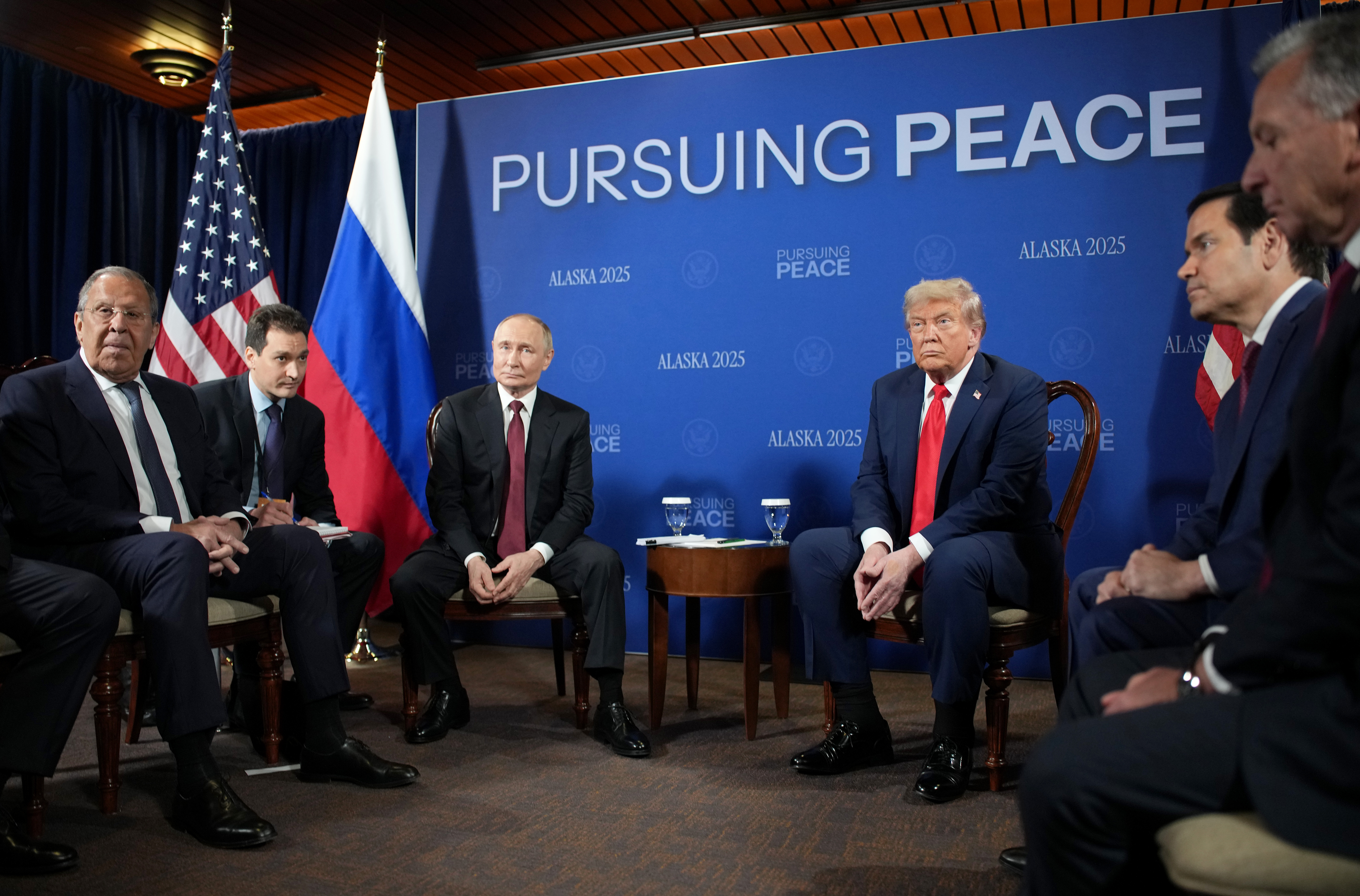
Russia is positioning itself as the key power broker in the emerging peace framework for its war against Ukraine. The Kremlin portrays the U.S.-drafted plan as a “basis for settlement” while signaling that rejection could trigger further escalation. Moscow’s demands remain consistent: recognition of occupied territories, military restrictions on Ukraine, and guarantees against North Atlantic Treaty Organization (NATO) expansion. These conditions reflect Russia’s long-standing strategy of converting battlefield leverage into diplomatic concessions, even as its ability to sustain the war erodes.
Russian President Vladimir Putin’s negotiation tactics follow a familiar pattern over time. The Kremlin uses temporary ceasefires and talks to stall Western military actions and create opportunities for Moscow. When talks falter, Moscow escalates threats. Jamestown analysis underscores that these maneuvers are less about compromise and more about projecting strength amid declining domestic credibility.
On the military front, Russian nuclear signaling remains central to Moscow’s projection of international status and strength, such as testing the Burevestnik and Poseidon systems. Russia actively tests NATO readiness and resolve with the recent drone incursions into Poland and provocations on Svalbard. The scaled-down Zapad-2025 drills, however, were designed to mask manpower shortages inside Russia.
Domestically, the Kremlin is vulnerable and a peace plan is a necessity for Moscow. Wage arrears have surged, regional subsidies for recruits are being cut, and governors increasingly defy Kremlin directives. Recruitment shortfalls force reliance on reservists and coercive mobilization, while veterans fuel crime and radical nationalist movements. Elite circles show signs of fracture, with some insiders quietly exploring peace options to safeguard economic interests.
Jamestown analysis highlights a widening gap between Putin’s ambitions and Russia’s capacity to sustain them. The delusion of grandeur which Moscow presents is its biggest vulnerability in any peace negotiations.

Russia’s Negotiations Tactics
- Moscow’s approach to peace negotiations is rooted in leverage, not goodwill. Moscow escalates threats when talks falter and pivots its positions to project strength, particularly before major diplomatic events.
- Russia uses ceasefire windows and talks as leverage to stall Western military actions while maintaining operational flexibility.
- Russian President Vladimir Putin’s strategy toward negotiations blends war-making with deal-making. He regularly aims to secure concessions.
Selected Jamestown Analysis:
- Russia Exploits Temporary Ceasefires at Ukraine Nuclear Plant, November 21, 2025, Anna J. Davis.
- Talks On Peace Deal for War Against Ukraine Can Still Rebound, November 11, 2025, Pavel K. Baev.
- Putin–Trump Call Stalls Tomahawks but Reactivates Ceasefire Discussions, Pavel K. Baev, December 20, 2025.
- Putin Raises the Stakes of Rejecting Peace Deal, September 22, 2025, Pavel K. Baev.
- How to Negotiate with Moscow Based on Experience of a Ukrainian Diplomat, July 20, 2025, Roman Bezsmertny.
- Putin Pivots Kremlin’s Stance Following Rosatom’s Requests on Cooperation with the United States and Ukraine, September 5, 2025, Anna J. Davis.
- Putin Tries to Build Himself a Position of Strength, July 28, 2025, Pavel K. Baev.
- Putin’s Game of War-Making and Bargaining Comes to End, July 14, 2025, Pavel K. Baev.
- Putin’s Preemptive Maneuvering Around NATO Summit is Cut Off, June 23, 2025, Pavel K. Baev.

Russian War Tactics
- Moscow faces economic strain and limited battlefield gains. It reallocates resources by cutting military spending while boosting state media funding in order to maintain a positive narrative and maintain domestic support.
- Nuclear signaling remains central to Putin’s long-war strategy. Moscow conducts high-profile tests of systems such as Burevestnik and Poseidon and simulates retaliatory strikes to pressure the North Atlantic Treaty Organization (NATO) and influence arms control talks.
- Drone incursions into Poland, airspace violations, and Svalbard provocations test NATO’s readiness without triggering escalation.
Selected Jamestown Analysis:
- Kremlin Shifts Focus to Information Warfare, November 6, 2025, Yuri Lapaiev.
- Nuclear Means Come to Front of Putin’s Long-War Strategy, November 3, 2025, Pavel K. Baev.
- Russia Tests NATO’s Eastern Defenses, October 9, 2025, Yunis Gurbanov.
- Putin Attempts to Shift Nuclear Brinkmanship, September 29, 2025, Pavel K. Baev.
- Kremlin Expands Youth Indoctrination in Russia and Occupied Territories of Ukraine (Part Two), September 29, 2025, Maksym Beznosiuk.
- Kremlin Expands Youth Indoctrination in Russia and Occupied Territories of Ukraine (Part One), September 24, 2025, Maksym Beznosiuk.
- Moscow Downplays Drone Incursion on Poland, September 15, 2025, Pavel K. Baev.
- Russia and Belarus Decrease Parameters of Zapad-2025 Joint Military Exercise, September 15, 2025, Alexander Taranov.
- Kremlin Works to Erase Ukrainian Identity and Militarize Occupied Regions, September 3, 2025, Maksym Beznosiuk.
- Moscow Using Svalbard to Test NATO’s Readiness and Resolve, September 16, 2025, Paul Goble.
- Russian Troops in Ukraine Selling Guns, Harming Unit Effectiveness, and Boosting Crime, September 11, 2025, Paul Goble.
- Putin’s War Against Ukraine Diminishing Moscow’s Dominance of Former Soviet Space, July 22, 2025, Paul Goble.
- Russian Strikes Near Zaporizhzhia Nuclear Power Plant Threaten Peace Process, July 11, 2025, Anna J. Davis.
- Putin Tossing Generals Exposes Fractures in Presidential Control Over Russian Military, June 30, 2025, Leonid Sokolov.
- Moscow’s Double Standards on Full Display Over Strikes on Iranian Nuclear Facilities, June 27, 2025, Anna J. Davis.
- Russian Mobilization Falls Short Ahead of Putin’s Summer Offensive, June 26, 2025, Ksenia Kirillova.
- Russian Soldiers in Ukraine Use Smartphone Videos for Protest at Home, June 17, 2025, Paul Goble.
- Moscow Uses Force to Get More Soldiers from North Caucasus, June 20, 2025, Paul Goble.

Consequences of Russia’s War at Home
- Economic stress is deepening across Russia’s regions as a result of Moscow’s war against Ukraine. Wage arrears have quadrupled since 2022, sparking strikes even in defense-related industries. Regional governments are quietly cutting recruitment subsidies, while governors increasingly ignore Kremlin directives as Moscow prioritizes war spending over local needs.
- Recruitment and social cohesion are under severe strain. Financial incentives for contract soldiers are losing effectiveness, forcing Moscow to legalize reservist deployment and rely on youth indoctrination programs. Non-Russians and immigrants are arming themselves amid rising ethnic tensions, while veterans returning from Ukraine fuel crime and radical nationalist movements/
- Pro-Kremlin analysts admit Russia’s war strategy is failing economically and militarily, while polling shows more Russians oppose the war than official figures suggest. Some elites who are motivated by personal security and economic survival are exploring peace options apart from the Kremlin.
Selected Jamestown Analysis:
- Russian Firms Rapidly Falling Behind in Paying Workers, November 20, 2025, Paul Goble.
- Pro-Kremlin Analysts Acknowledge Previously Hushed-up Problems, November 19, 2025, Kassie Corelli.
- Putin So Focused on War Even Governors Now Ignore His Orders, November 18, 2025, Paul Goble.
- Putin’s Elites Could Become Proponents of Peace, November 17, 2025, Pavel K. Baev.
- Kremlin Populating its Army Through Apathy and Idealism, November 5, 2025, Kassie Corelli.
- Non-Russians in Russia Arm Themselves as War in Ukraine Drags On, November 6, 2025, Paul Goble.
- War Against Ukraine Leaving Russian Police State Without Enough Police, October 30, 2025, Paul Goble.
- More Russians Oppose the Kremlin’s War Than Officially Known, October 21, 2025, Kassie Corelli.
- Russia’s Federal Subjects Quietly Cutting Subsidies for Military Recruits, October 21, 2025, Paul Goble.
- Kyiv Moving Toward More Direct Support of Non-Russian Movements within Russia, October 16, 2025, Paul Goble.
- Russia Ignores Global Peace Developments to Focus on Putin’s War, October 14, 2025, Pavel K. Baev.
- Kremlin Faces Problems in Recruiting Veterans into Political Elite, October 9, 2025, Paul Goble.
- Kremlin Fears That Russian ‘War Correspondents’ Could Prototype Civil Society, October 6, 2025, Kassie Corelli.
- Ordinary Russians Can No Longer Ignore the War, September 24, 2025, Kassie Corelli.
- Kremlin’s War Economy Driving Recession in Russia’s Regions, September 26, 2025, Vadim Shtepa.
- Reports From Regions Show the Cost of Putin’s War Outside Moscow, September 23, 2025, Paul Goble.
- Returning Veterans Powering Rise of Radical Russian Nationalist ‘Northern Man’ Group, September 18, 2025, Paul Goble.
- Kremlin Uses Government-Organized NGOs to Promote War, September 18, 2025, Richard Arnold.
- Despite Losses at Home and Abroad, Moscow Patriarchate Helps Kremlin Expand Influence, September 2, 2025, Paul Goble.
- Lack of Substantive Peace Talks Continues Russian Economic Downturn, July 7, 2025, Vadim Shtepa.
- Putin’s War Against Ukraine Increasing Corruption in Russia, June 26, 2025, Paul Goble.