Kazakhstan Now Building More Powerful Drone-Based Army
Kazakhstan Now Building More Powerful Drone-Based Army
Executive Summary:
- Kazakhstan—which already has the strongest army in Central Asia—has committed itself to a two-year program of military modernization to be in a position to defend itself against both domestic unrest and threats from abroad.
- Those two factors have guided Kazakhstan’s security thinking since 2022. Unrest in its cities forced it to appeal to Russia for help, and the Kremlin’s full-scale invasion of Ukraine sparked fears Moscow might move against northern Kazakhstan next.
- Fears that Moscow might make a move remain high, and Astana is seeking to apply lessons from the war against Ukraine to convince Moscow that another invasion would be a mistake.
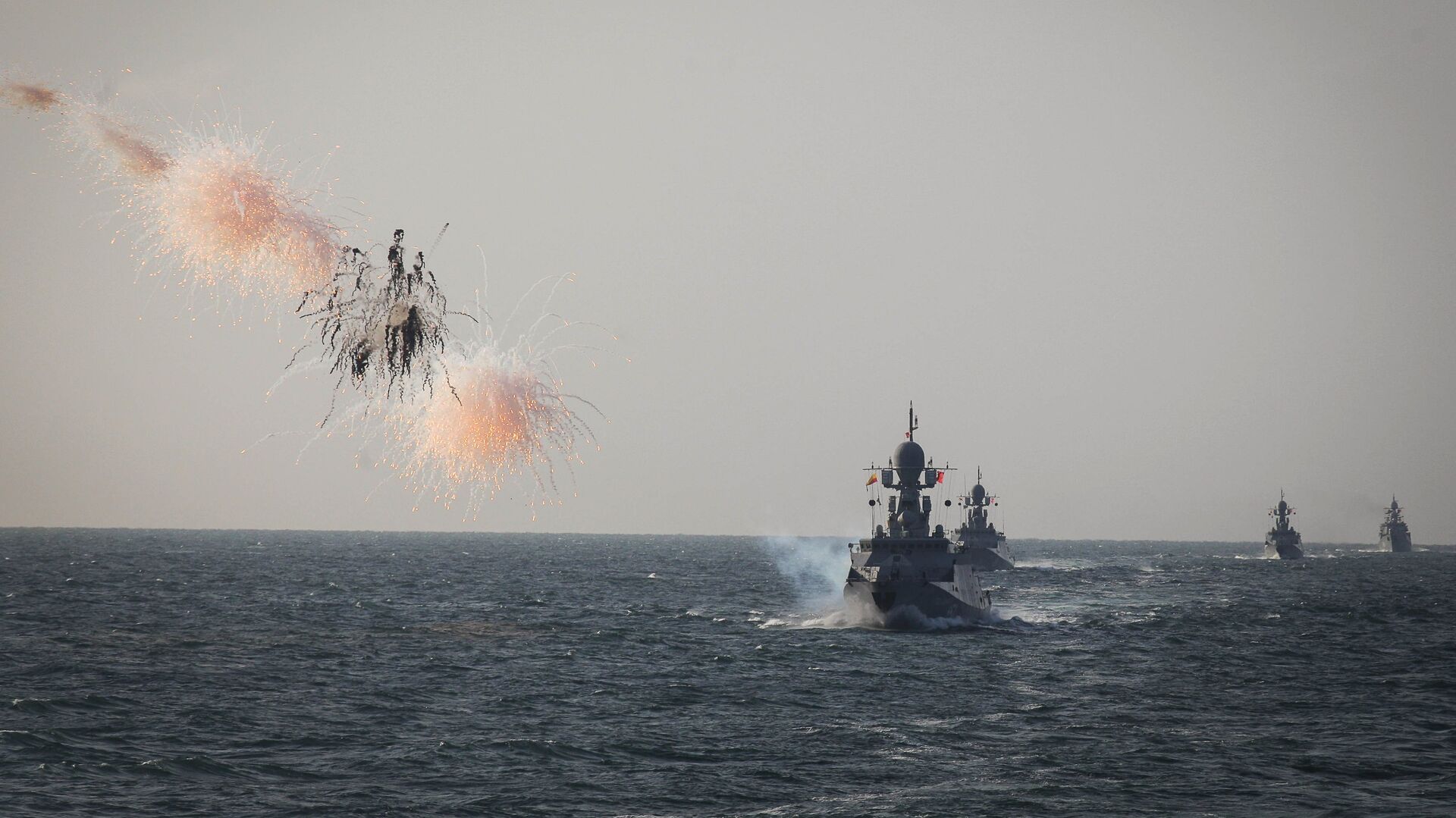
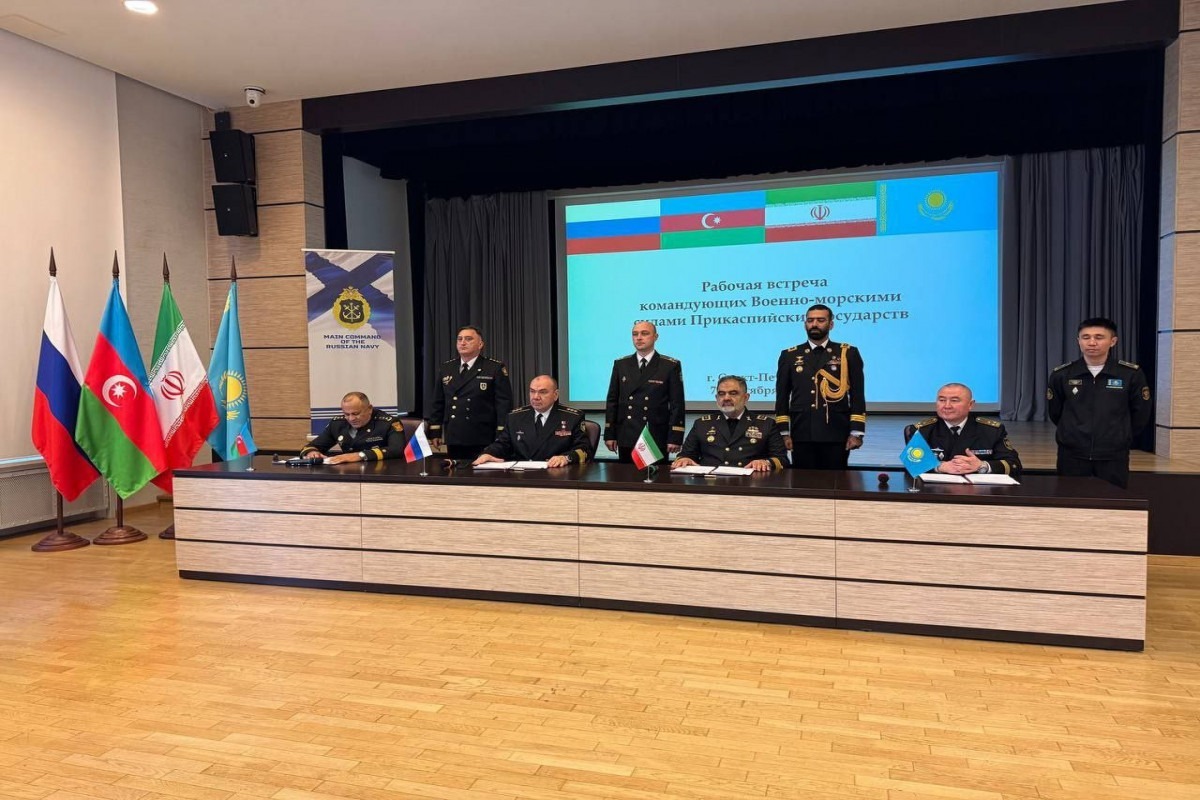
Kazakhstan, with the strongest army in Central Asia, has committed itself to a two-year program of military modernization (The Astana Times, May 9). The goal is to be able to defend itself both from any outburst of domestic unrest and from any threats from abroad, two phenomena that Kazakhstan’s leaders believe are closely interconnected (Tengri News, October 12, 2022). Their belief that these two factors are linked has guided Kazakhstan’s security thinking since the first two months of 2022. Unrest erupted in its cities in January, which forced Kazakhstan to appeal to the Moscow-led Collective Security Treaty Organization (CSTO) for help (see EDM, January 19, 20 [1], [2], 21, 2022). A month later, Russian President Vladimir Putin launched his full-scale invasion of Ukraine and sparked fears in Astana that Moscow might follow with a move against northern Kazakhstan (see EDM, April 5, May 12, 2022). Because the Russia–Kazakhstan border is the longest continuous land border in the world and northern Kazakhstan still has a significant ethnic Russian population despite declines in recent decades, such fears were and remain far from groundless (Altyn-Orda, February 20). These fears have been behind Astana’s decisions both in the development of its naval forces on the Caspian, where it now has more ships than Russia does, and on the modernization and expansion of its army, which lags far behind Russia’s despite its overwhelming strength vis-à-vis other Central Asian countries (Tengri News, May 19, 2022; see EDM, January 21, 2025).
Astana is trying to catch up. It is applying lessons it has learned from Russia’s war against Ukraine, in particular the use of drones and artificial intelligence, as well as devoting ever more attention, similarly to Ukraine, to the importance of multiple foreign supplies and increased domestic defense production (Caravan, May 11, 2022; Nezavisimaya Gazeta, March 26, 2024 May 7; see EDM, April 16; The Times of Central Asia, May 7). It is doing so in the first instance in part to convince Moscow that any Russian instigation of unrest in Kazakhstan or, even more, an invasion such as the one Putin has carried out in Ukraine, would be a disastrous and counterproductive move. Unsurprisingly, Russian commentators are denying that Moscow represents any threat. They argue that Kazakhstan’s increased military spending—to more than $5.5 billion and 3 percent of its GDP this year—is unnecessary given that relations between the two countries are relatively good (Prime Minister of Kazakhstan, October 22, 2025; Expert, May 6).
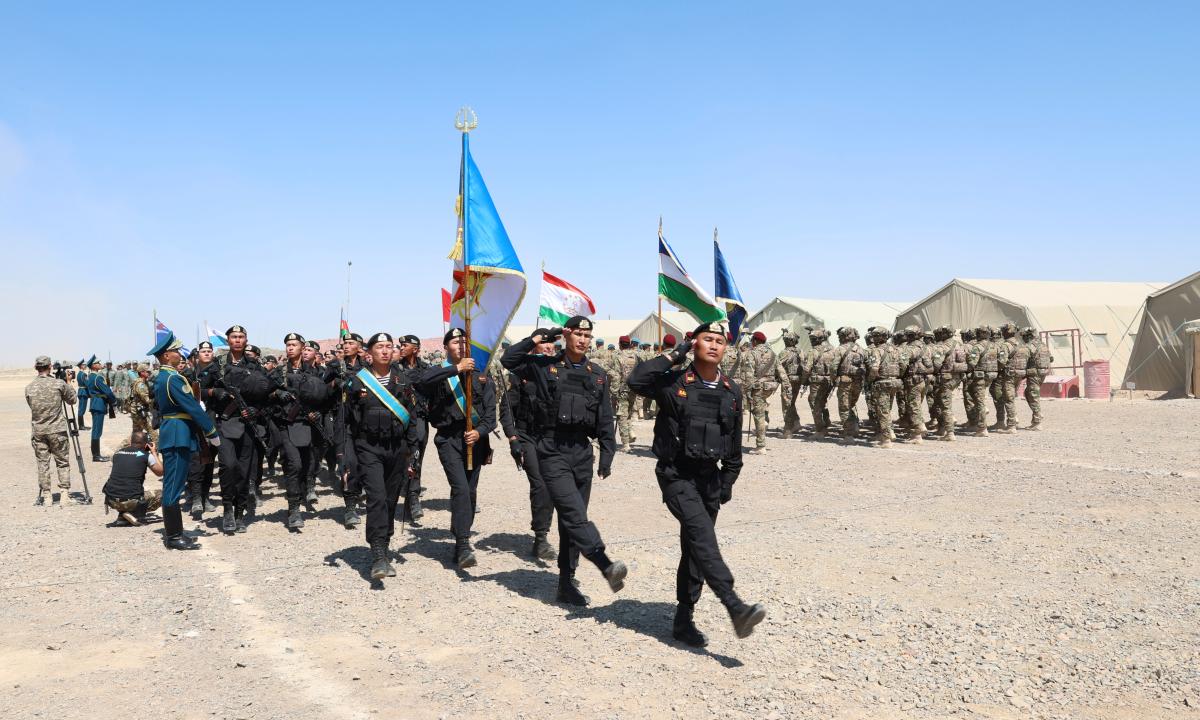
Since 2022, Astana has sought to modernize its army. It has worked to increase its size to 110,000 active duty troops and reorganize them into special reaction forces, begun to supply them with drones and other digitally based weaponry, built up its domestic defense industry—which, until then, had been quite small—and diversified its foreign allies and suppliers lest dependence on any one of them could compromise Kazakhstan’s independence and national security (Caravan, May 11, 2022; Window on Eurasia, May 26, 2022, January 7, 2023; Kursiv, May 8). Over the last year, such efforts have intensified, as when the Kazakhstan government announced plans to dramatically increase defense spending in October 2025 (Prime Minister of Kazakhstan, October 22, 2025). That represented a clear sign that Astana is increasingly worried about global turbulence and the government’s desire to send a signal to anyone, including Russia in the first instance, that any military moves against Kazakhstan will be countered effectively and at great cost to those behind them.
Now, Astana has gone further. On May 6, Kazakhstan President Kassym-Jomart Tokayev delivered a programmatic address in which he outlined with far greater precision how his country plans to transform its military over the next two years into “a high-tech fist” capable of responding to the challenges of “global turbulence” even as it continues to pursue diplomatic efforts to cooperate with as many countries as possible, including Russia and the People’s Republic of China (PRC), and assist others (President of Kazakhstan; Anadolu Ajansı, May 6; Nezavisimaya Gazeta, May 7). Tokayev said that his country remains committed to good relations with all countries but is particularly proud that it is “the only country in the Commonwealth of Independent States which has a UN mandate for carrying out independent peace-keeping operations.” At the same time, he said that Kazakhstan must be prepared to counter any threats, both foreign and domestic. That requires modernizing its military not only structurally but in terms of armament and doctrine, including rapid mobility and the use of drones. These are just some of the lessons that Kazakhstan and other countries are drawing from Putin’s war against Ukraine, where Kyiv’s skillful use of drone technology has changed the nature and perhaps even the course of the war.
Achieving those goals requires, Tokayev argued, both ramping up domestic production of the most modern weapons and expanding the range of alternative suppliers abroad. In his remarks, the Kazakhstan leader pointed to the PRC and Russia. Other and likely ever more important suppliers include Azerbaijan and Türkiye, according to Kazakhstani and Russian experts commenting on this momentum (President of Kazakhstan; Anadolu Ajansı, May 6). Kazakhstani commentators welcome the links to Azerbaijan and Türkiye not only because Astana and Baku already have increasingly close defense cooperation, but also because Türkiye, as a North Atlantic Treaty Organization (NATO) member, is in a position to help Astana by serving as a balance to Moscow and Beijing (Kaspiiskii Vestnik, May 6, 7). For precisely those reasons, Russian writers have expressed alarm (The Times of Central Asia, May 7). This is an indication that, at least in Moscow, there may be a push for long-threatened moves against northern Kazakhstan, lest the innovations Tokayev has announced make doing so in the more distant future impossible.For some observers, Tokayev’s brief appearance in Moscow for Putin’s Victory Day parade overshadowed his speech on defense expansion and modernization (Eurasianet, May 11). There can be little doubt, however, that the expanded defense program he has now outlined will prove more important not only for the future of Kazakhstan–Russia relations but also for power relations across the former Soviet space in particular, and Eurasia more generally. Kazakhstan has been a rising power for some time. The developments Tokayev is making for the military suggest that its future ascent will be even more rapid and higher than it has been, meaning Russia’s influence and control in Central Asia will recede more rapidly and completely than before. This is yet another way in which Putin’s expanded war in Ukraine is proving counterproductive.