Kazakhstan’s Downgrading of Russian Language Infuriates Moscow
Kazakhstan’s Downgrading of Russian Language Infuriates Moscow
Executive Summary:
- The new draft Kazakhstan constitution downgrades the status of the Russian language by specifying that Russian exists “alongside” Kazakh rather than sharing legal equality with it, a move upsetting Moscow and Kazakh nationalists for opposite reasons.
- This change reflects both demographic changes in Kazakhstan—Kazakhs now form more than 70 percent of the total and ethnic Russians fewer than 15 percent—and Kazakhstan President Kassym-Jomart Tokayev’s increasing readiness to challenge Moscow.
- Russian commentators see this as the latest hostile act by Astana, something they say shows that Kazakhstan is moving along the same path as Ukraine and may require a similar and equally harsh Russian response to maintain Russian President Vladimir Putin’s “Russian world.”
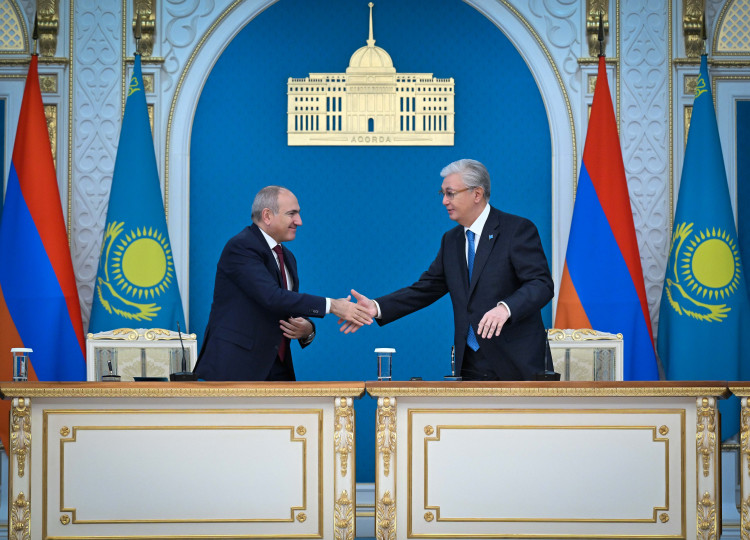
President of Kazakhstan Kassym-Jomart Tokayev has been less inclined to defer to Moscow than his predecessor, Nursultan Nazarbayev, since succeeding him in 2019. Tokayev has adopted policies that reflect his commitment to promoting Kazakh national identity and taking public stands against Russian President Vladimir Putin’s increasingly aggressive Russian foreign policy (QMonitor, February 10). He and his government have promoted ethnic Kazakh identity alongside civil Kazakhstanets identity, talked about the famine in Kazakhstan perpetrated by Joseph Stalin and other Soviet leaders, and hedged against Moscow on a variety of issues, including Ukraine (Central Asia Monitor, August 5, 2018; Novaya Gazeta, December 24, 2021; Business Online; Telegram/@stat_gov_kz_official, April 30, 2023; Fergana.News, May 1, 2023). [1] Moreover, Tokayev has engaged in what many Russians see as an act of lèse-majesté by speaking in Kazakh to Russians, despite making the effort to speak in Chinese to officials from the People’s Republic of China (Svobodnaya Pressa, November 10, 2023; Lenta.ru, November 13, 2023).
Kazakhstan’s new draft constitution, slated to be approved by referendum in March, downgrades the status of the Russian language. It specifies that Russian exists “alongside” Kazakh rather than “on par” with it. Moscow views this move as a threat to good relations between the two countries. Kazakh nationalists, on the other hand, are upset because Astana has not dropped any commitment to a special status for Russian (Vlast, February 9; Novaya Gazeta Kazakhstan, February 12; Altyn-Orda, February 15). The proposed change reflects demographic developments in Kazakhstan. The country had an ethnic Russian plurality of around 40 percent of the population until near the end of Soviet times, but is now more than 70 percent ethnically Kazakh, with ethnic Russians accounting for fewer than 15 percent of the total. Tokayev is increasingly willing to promote Kazakh identity and challenge Moscow’s policies, albeit in generally careful and balanced ways (Window on Eurasia, May 4, 2023). Many Russian commentators, however, ignore both this new demographic reality and the diplomatic care with which Tokayev has acted. They instead view all such moves, including the latest one, as an indication that Kazakhstan is now moving along the same path Ukraine did before Putin launched his full-scale invasion and may require Moscow to respond in a similar way (Novaya Gazeta Kazakhstan, January 12).
Tokayev has taken another step that is especially infuriating to these commentators. This comes at a time when Putin is pushing his “Russian world” and defining that word in largely linguistic terms (see EDM, October 31, 2024). In this new draft constitution, Tokayev has lowered the status of the Russian language by changing the terms used to designate its status in Kazakhstan, no longer defining it as equal to Kazakh but suggesting that it is another language existing alongside it. Such a shift lowers Russian from its status as the language of interethnic communication it has enjoyed since the first constitution of independent Kazakhstan in the 1990s and may very well presage further reductions in the future (Novaya Gazeta Kazakhstan, February 12).
This shift in wording reflects both the increasing importance of Kazakh in the life of Kazakhstan and the sense that the role of Russian will naturally decline as the number of its speakers does. Tokayev has promoted this process without entering unnecessary conflicts with the Kremlin, while not sacrificing any of his country’s fundamental interests (Window on Eurasia, September 16, 2025). As government experts in Kazakhstan point out, this change will have few immediate consequences (Vlast, February 9).
Under the current constitution, these experts say, officials are obligated to give any information they release in Kazakh and Russian. Under the new constitutional language, they will have to supply it in Russian only upon the request of the citizen involved in the proceeding or application. Very few Russian speakers in Kazakhstan will be discommoded, but the change, after such a long period during which Astana did not use Moscow’s preferred terminology, sends a signal to Kazakhstan’s population that Tokayev is prepared to take further steps to boost the Kazakh language and Kazakh identity. That alone will annoy Moscow while encouraging nationalists to press their case. Tokayev’s past behavior suggests he will try to manage this situation, possibly by taking some actions Moscow would like, while moving in other ways it would not. That certainly appears likely to be the case in his recent decision to agree to the expulsion of some Russians the Kremlin wanted returned (The Moscow Times, February 13).
The Kremlin is likely cognizant of this fact. It has at least concluded that as long as its war against Ukraine continues, Russia does not have the ability or interest in taking tough actions against Astana. One indication of that is that no prominent Russian government official or Kremlin-controlled media outlet has denounced Kazakhstan’s new draft constitution’s new phrasing on language (Novaya Gazeta Kazakhstan, February 12). That has not stopped Russian commentators from attacking the downgrading of the Russian language in Kazakhstan, an action that they see as presaging Astana’s break with Moscow and thus a clear threat to Russian national interests, suggestions that likely reflect the opinions of some within the Putin elite (RITM Eurasia; Altyn-Orda; Redovka, February 12; Business Online, February 15).
The most dramatic Russian reaction to what Kazakhstan and other former Soviet republics are now doing on various issues came last month from Vladimir Solovyov, perhaps Moscow’s most prominent pro-war television commentator. He said that Moscow should launch “special military operations” similar to its full-scale invasion of Ukraine against Central Asian countries and Armenia if they do not agree to Moscow’s demands (Naša Niva, January 11). He declared that what happens in “our Asia” and Armenia is far more important to Moscow than what happens in Venezuela, international law is dead, Russia should not care about the reaction of European countries, and it should even expand its efforts to subjugate Ukraine.
His words have unsurprisingly sparked outrage in Kazakhstan, throughout Central Asia, and in the South Caucasus, prompting governments to raise the issue with Moscow (Nezavisimaya Gazeta, February 15). Russia sought to calm the situation by suggesting Solovyev’s words were only his “personal opinion” (Novaya Gazeta Kazakhstan, January 12; EurAsia Daily, January 13). While many analysts have suggested that Solovyev, known for his bombastic and extremist language, was simply responding to the U.S. moves in Venezuela and against Russian shipping, others noted that he is so close to the Kremlin that his Kremlin bosses likely intend such threats to intimidate the non-Russians and prepare Russians for new “special operations.” They suggest that those in the Kremlin are not surprised that the TV personality’s words are generating backlash (The Times of Central Asia, January 12; Minval Politika). The phrasing about language in Kazakhstan’s new constitution will only exacerbate such feelings further.
Note:
[1] Kazakhstanets refers to a citizen or resident of Kazakhstan, regardless of ethnicity.