Russia’s Military Settlements in Far North Rapidly Declining in Population
Russia’s Military Settlements in Far North Rapidly Declining in Population
Executive Summary:
- Since the Kremlin’s full-scale invasion of Ukraine, the population of Moscow’s military settlements in Murmansk oblast has declined between 20 and 30 percent—two to three times the civilian population decline there—in a pattern seen across Russia’s Far North.
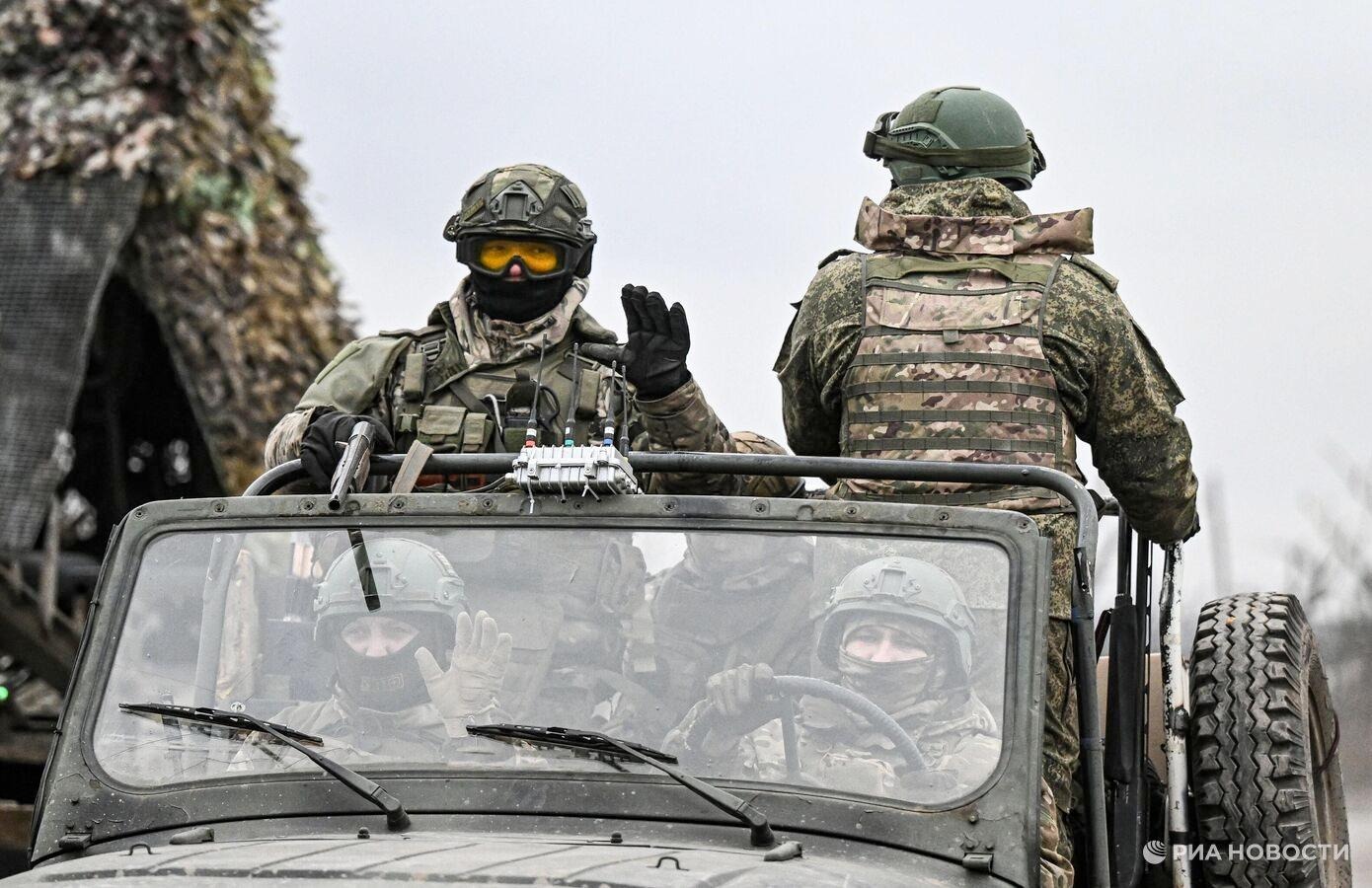
- The northern military presence is declining at a faster rate than the general population. Military personnel go to fight in Moscow’s war, leaving the Kremlin without enough troops to carry out its missions along its Arctic border.
- This problem is likely to worsen in the absence of expanded transportation infrastructure in the region—unlikely in the short term, given that Moscow has cut back many projects in the Arctic—and is leading the Russian military to change its approach in the Far North.
Moscow has had difficulty getting people to move to the Russian Far North to live and work since the end of Soviet leader Joseph Stalin’s system of forced labor. In Soviet times, the center sought to compensate for the harsh life there by offering huge salaries, prompting Russians to work there for brief periods to earn “the long ruble” and then live better elsewhere. Since 1991, these salaries have become less common and, where they do exist, are less generous than in the past. The population of the Russian Far North has accordingly been in decline over the last three decades. Russian demographers project that the Far North’s population will decline further because life there remains much harder than in the rest of Russia, in part because the region lacks roads and railways to bring in food and other consumer goods (see EDM, September 11, December 6, 2018, November 14, 2023).
There has been relatively little information on the impact of the harsh conditions in the Russian Far North on the size of military settlements in the region. Up to now, it has been an unspoken assumption that Moscow could order military cadres and their families to the Far North with relatively little difficulty, given military discipline, and because military personnel are typically rotated every few years. In the absence of official data on departures, this assumption seemed plausible, despite the difficulties that Russian military personnel and their families continue to face and the lack of means to protest their fate (The Barents Observer, November 24).
New data collected by the independent Khroniki news agency suggests that the assumption is no longer warranted, at least since the start of the Kremlin’s full-scale invasion of Ukraine in 2022. Moscow is desperate to find enough soldiers for its war against Ukraine, and is stripping units elsewhere to send to the front (Khroniki, November 20; The Barents Observer, November 22). Based on estimates by its journalists with contacts in nine of the closed military cities of the Russian Northern Fleet—including in Severomorsk and Polyarny—Khroniki says that the number of residents in Far North military settlements has declined by 20 to 30 percent since the Kremlin’s full-scale invasion of Ukraine. This drop is two to three times the decline in the total population of the surrounding civilian population because military personnel leave to fight in Moscow’s war against Ukraine and fail to return because of death in combat or opportunities elsewhere (Khroniki, November 20).
Khroniki’s data cannot be independently confirmed since Russian officials have not released information on the topic. The figures the news agency offers, however, are credible—Rosstat, the Kremlin’s statistics agency, has acknowledged that the overall population of Murmansk oblast has declined by about ten percent since 2022, which may or may not include declines in the closed military cities there (The Barents Observer, November 22). Greater losses in Far North military settlements that Khroniki reports would seem unlikely if there were not also a general outflow of population from the region. Official data on the Russian North as a whole suggest that the departure of both civilian and military personnel has escalated since 2022 (Demograficheskoe Obozrenie, 2023).
Putin and other senior Moscow officials have expressed concern about this problem because they recognize that the absence of troops in the North will make it far more difficult for Russia to expand the Northern Sea Route or project power over the Arctic Ocean (President of Russia, October 25, 2023). Even as they have expressed alarm at problems in the north, these same officials have been forced to cut back on infrastructure projects that would have brought a better life to the region’s residents—including the postponement of rail, highway, and sea lane developments—to pay for the war against Ukraine (Window on Eurasia, June 19, 2023, April 13, 2024, February 23, November 29). Correcting this situation will be enormously expensive as more than two-thirds of the 1,800 settlements in the Russian North lack rail or highway connections to the outside world. Supplying them by sea has run into problems, and the costs of bringing in bulk cargo by air are often prohibitive (see EDM, June 12, 2023; Window on Eurasia, November 29).
This situation could create two other problems that Moscow may find harder to address. First, military personnel and their families who “vote with their feet” by leaving closed settlements in the North may acquire a greater sense of the efficacy of protest, which could easily spread to others in the Russian security sector. Countering this potential mindset shift would require more than promises of a better life at some unknown point in the future (The Barents Observer, November 24). Second, the departure of so many soldiers and sailors and their families from the North changes the ethnic balance in the region. This shift does not mean ethnic minorities are about to revolt; most are simply too small to do so. They are likely to feel more confident that they can press for greater autonomy, especially if Moscow has lost one of its most important levers of control, a smaller military presence (Exo, accessed December 4).
One small step the Russian government has already taken is to expand its program to build unmanned weather and communication stations along the Northern Sea Route to reduce the number of personnel it needs to operate the route (The Barents Observer, November 12). This program will not end the personnel problems Moscow now faces in the Far North or stop calls to re-examine what Moscow is doing there. Such talk could eventually prompt Moscow to more broadly reconsider its plans in the north (Topwar.ru, April 9, 2021; Window on Eurasia, October 5; Veter, November 22). An influential aide to Russian President Vladimir Putin, Nikolai Patrushev, has so far obscured the possibility of Far North reform with hyperbolic statements, but some Russian analysts view his bombast as intended to cover up Moscow’s problems (Window on Eurasia, September 5). Khroniki’s new documentation of declines in the size of Russian military settlements in the Far North seems certain to intensify debates about Moscow’s next steps in the region.