U.S.–Belarus Bilateral Dialogue Slowly Resuming
U.S.–Belarus Bilateral Dialogue Slowly Resuming
Executive Summary:
- Belarus has engaged in confidential dialogue with the United States since late 2024, followed by public, high-level meetings and phone calls in 2025. Washington has eased some sanctions against Belarus, and Minsk has responded with a series of goodwill gestures, including several rounds of prisoner releases.
- Minsk views these first steps toward normalization as an opportunity to secure long-term benefits, such as the full lifting of sanctions, renewed Western diplomatic ties, and improved access to Western markets.
- Belarusian officials are adamant that any possible agreement will not come at the expense of their close relationship with Russia and the People’s Republic of China, while hoping an improved relationship with Washington could facilitate better relations with the broader West.
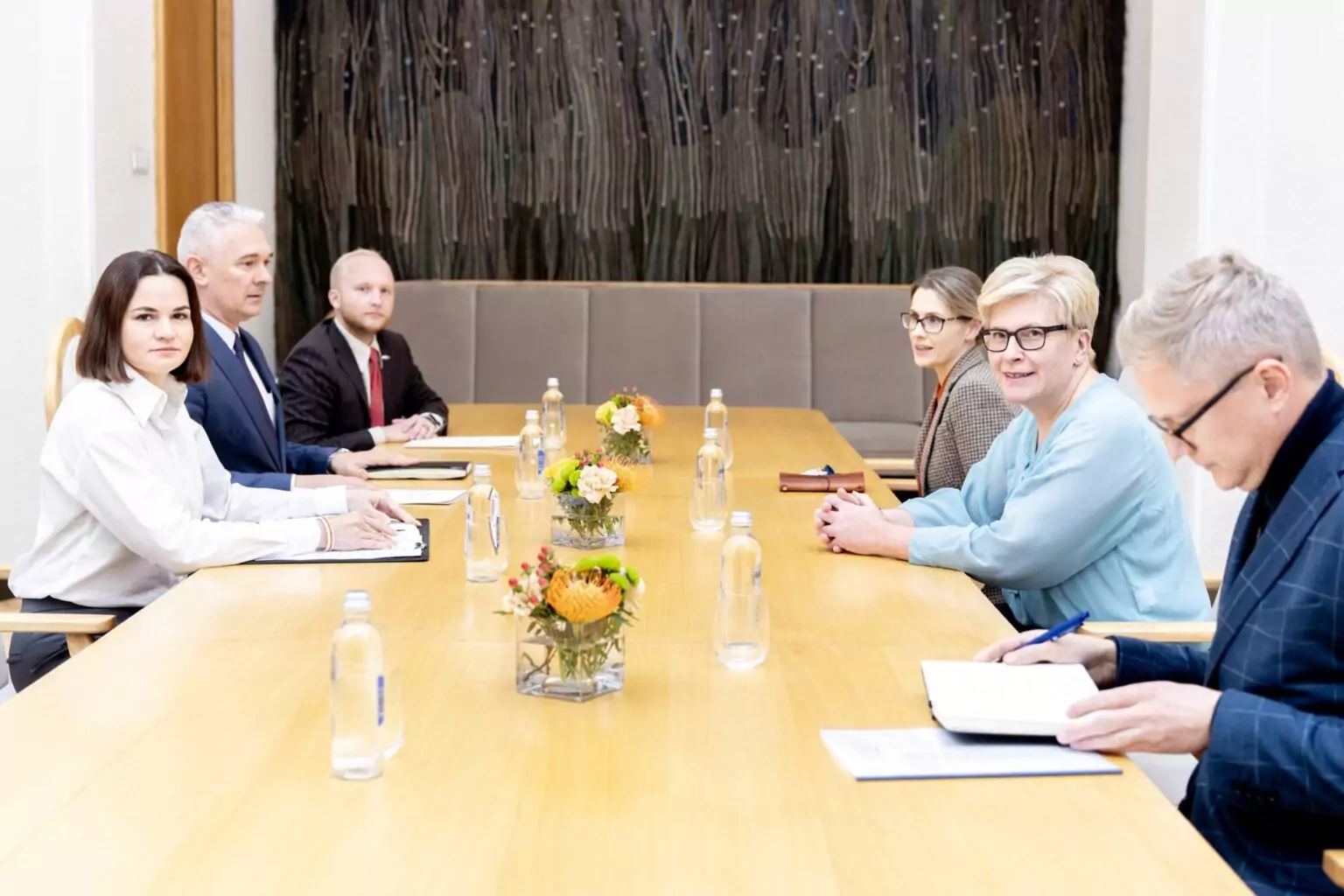
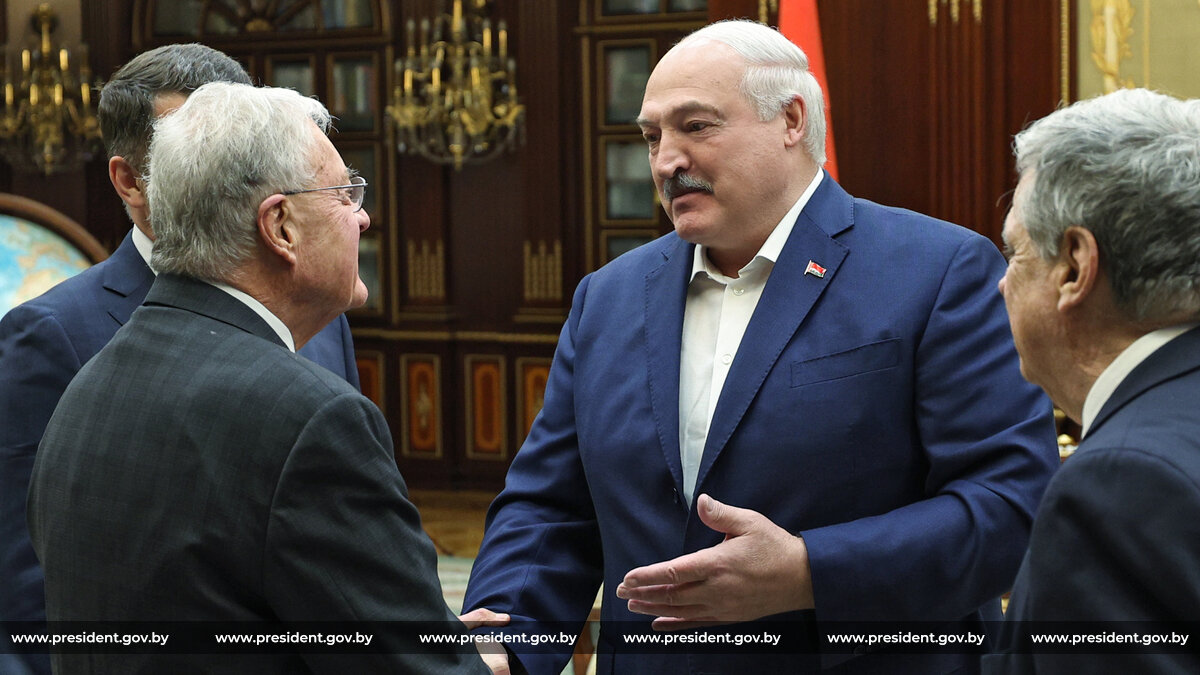
On November 9, U.S. President Donald Trump nominated lawyer John Coale as the United States Special Envoy to Belarus (Truthsocial/@realDonaldTrump, November 9). The decision marked a new development in the already eventful dialogue process between Washington and Minsk. Belarus and the United States started a confidential dialogue behind closed doors in late 2024, when the U.S. State Department held “tentative discussions” with European allies about possibly easing sanctions against Belarus (The New York Times, February 15; see EDM, July 28). In January, at Washington’s request and as a sign of goodwill, Minsk released a U.S. citizen from jail (see EDM, January 29). Several weeks later, a U.S. delegation discreetly visited Minsk and held talks with Belarusian President Alyaksandr Lukashenka, resulting in additional prisoner releases (see EDM, February 21). Another confidential visit by U.S. officials in late April led to the freeing of one more dual U.S.-Belarusian citizen (see EDM, July 28). These closed-door talks preceded the first publicly announced high-level meeting on June 21, at which the Belarusian president received a U.S. delegation headed by Keith Kellogg, the assistant to the U.S. president and special envoy for Ukraine. After the meeting, Lukashenka pardoned 14 more prisoners, including Siarhei Tsikhanouski, the husband of Sviatlana Tsikhanouskaya, the leader of the Belarusian opposition in exile (see EDM, July 28).
Belarus’s prisoner releases have not been the only item on the two countries’ negotiation agenda. According to Kellogg, U.S. officials have focused on “ensuring lines of communication” to Russia when engaging Minsk because they know that Lukashenka “talks to [Russian] President [Vladimir] Putin a lot.” In his words, “we weren’t going in there initially to get political prisoners out” (The Guardian, September 30). Trump’s initiation of a phone call with his Belarusian counterpart on August 15, just hours before his meeting with Putin in Alaska, further underscores that Russia’s war against Ukraine is a major topic on the U.S.–Belarus agenda (President of Belarus, August 15). The conversation marked the first-ever phone call between the presidents of Belarus and the United States (Truthsocial/@realDonalTrump, August 15; BelTA, September 15).
Bilateral dialogue became more positive in the two months that followed. On September 11, the Belarusian president received another U.S. delegation, which brought news that Washington lifted sanctions against Belarus’s national airline Belavia (BelTA, September 11). Minsk freed the largest group of prisoners to date—52 individuals, including numerous leaders and well-known opposition activists (Sb.by, September 11). Coale, who headed the U.S. delegation, stated that “the paramount objective of our engagement is to normalize bilateral relations [and] to deepen and strengthen our economic and political cooperation” (BelTA, September 11). He added that Washington wanted to reopen its embassy in Minsk and appoint an ambassador.
By October, the Belarus–U.S. dialogue seemed to have paused, and rumors began circulating in Western diplomatic circles that it had effectively exhausted its potential (Author’s interviews with Western diplomats in Minsk, October 17, October 30).
Belarusian officials were dissatisfied that the United States had only partially lifted sanctions on Belavia, and that serious limitations on the airline’s operations remained in place (President of Belarus, October 15). Minsk also did not hide its annoyance when, according to Lukashenka, U.S. representatives demanded that Belarus apologize to Lithuania for incidents involving balloons from Belarus that posed a security threat to the airport in Vilnius (President of Belarus, October 28). The authorities in Minsk claimed it was unfair to blame Belarus and alleged that it was a result of activities by an international criminal network that smuggles cheaper Belarusian cigarettes into Lithuania using balloons.
On November 4, the U.S. Office of Foreign Assets Control fully removed Belavia from its sanctions list (U.S. Treasury Department, November 4). Both this decision and Coale’s appointment as special envoy were well received in Minsk (Author’s interview with a Belarusian diplomat, November 10).
Minsk expresses interest in officially normalizing relations, though Belarusian officials seem to recognize that the process will be difficult (BelTA, September 11; President of Belarus, October 15). For Minsk, normalization with the United States looks attractive for several reasons. First, it promises a longer-term vision of where the current rapprochement can lead and what specific, not abstract, benefits Belarus can secure. Second, Minsk hopes that a normalization framework will help clarify whether the concessions that Washington asks of Belarus are worth making from its perspective. Third, Minsk intends to make its priorities and red lines an inseparable part of any larger agreement. In particular, Belarusian officials stress the principle of non-interference in each other’s internal affairs and Belarus’s fundamental interest in sustaining close relations with both Russia and the People’s Republic of China. Finally, Minsk hopes that an agreement with Washington could help it gradually improve relations with Poland, the Baltic states, and other EU members.